It has taken almost two weeks to not feel overwhelmed by the alien systems here; to not get shafted by inconsistent prices including the inevitable ‘tourist tax’, to consider the incessant surveillance a comfort rather than a threat, and to take advantage of the order and efficiency when there is so much chaos.
Firstly, the cost of living has been something of a rollercoaster. In a country where a hearty bowl of noodles away from the tourist trail costs about £1.20 and a tray of bao buns costs 50p, it is an eye-watering event to order two flat whites for the princely sum of £7.50.

This week, after three ‘organic’ beers each and a bit of food, we were charged more than it cost to spend two nights in our hotel; £22. Undoubtedly, they had our tourist pants down, but alcohol is expensive here with beer and wine very similar to UK prices. Outraged, Jem had to remind me that it equalled the cost of four beers in the UK and to suck it up.

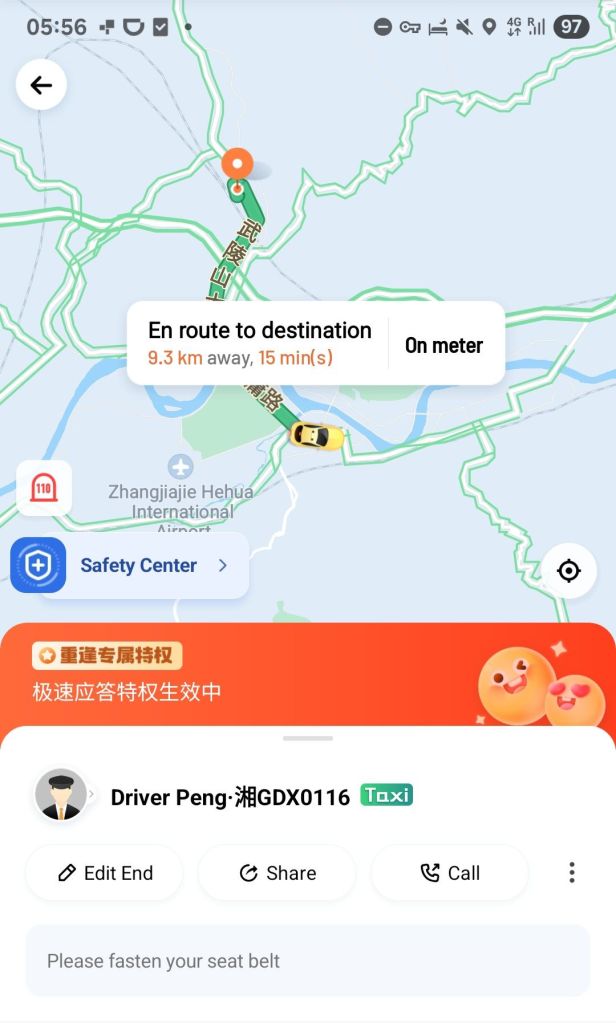
There are many ways to keep costs down by using the apps that locals use. This morning, a taxi on the national Uber service Didi cost £2.50 for a 20-minute journey across town. Now we have discovered Didi, I am having to force Jem onto the bus with every tactic going, including a twist around the ear and failing that a red hot poker 😆 (and resist saying ‘its not the destination, its the journey….’)
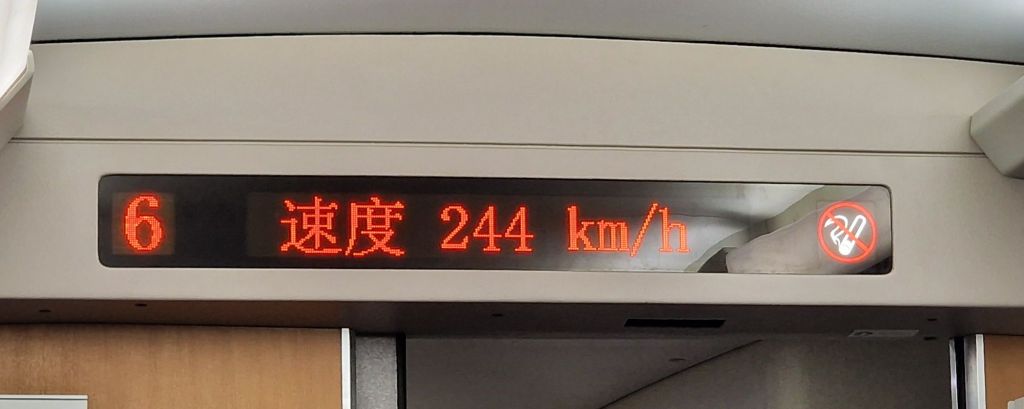
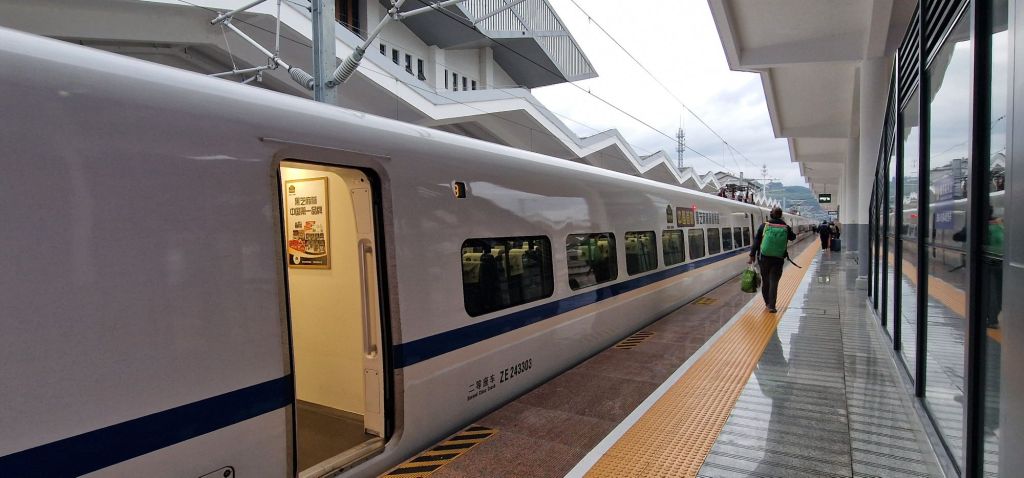
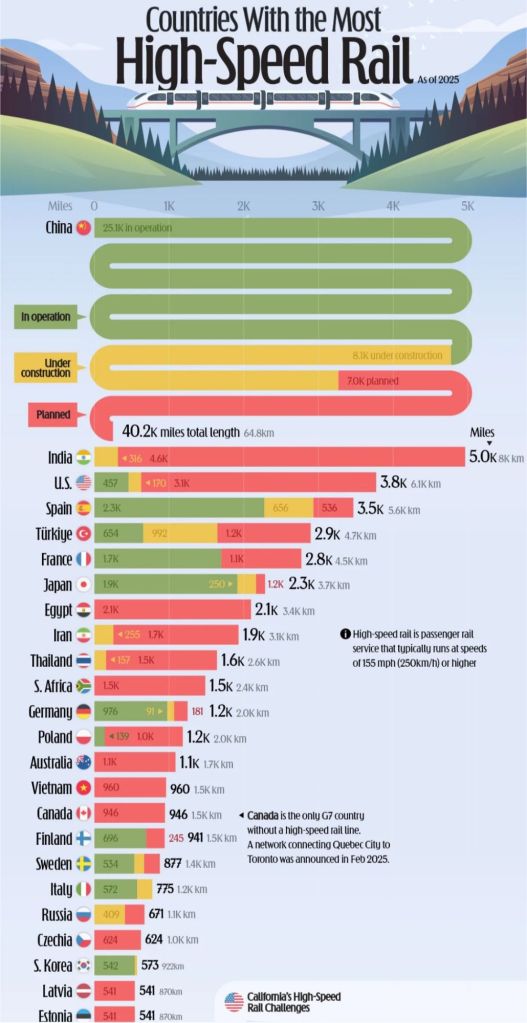
You would also expect to pay about 80p for an hour’s bus journey, £65 for a 4-hour 1,000km bullet train in economy class, and £40 for a 7-hour 580km journey on the slightly slower D-class train. All on time and immaculate.

Similarly, it has taken time to adjust to the omnipresent CCTV and law enforcers; outside every travel hub and on many street corners (particularly in Beijing), you will see a panda winnebago with police creating a bottleneck requiring everyone to show ID and have bags scanned. On our bus yesterday, there were no less than six cameras pointing at the driver and passengers.
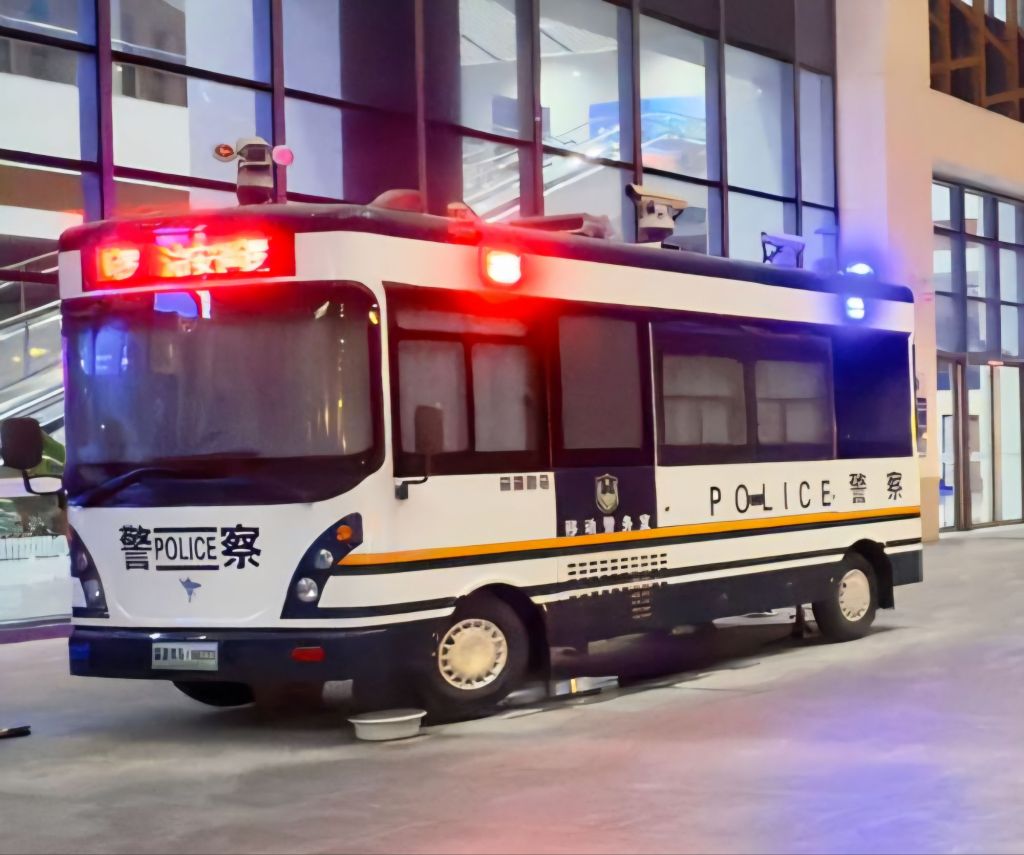
Mass surveillance has multiplied in recent years. In 2019, it was estimated there were 200 million surveillance cameras in China; as of August 2023, the country had over 700 million, according to online data.
At first, this felt extremely oppressive. For me, it is a similar phenomenon to Amazon’s Alexa allegedly listening in on your household conversations; while I don’t consider myself interesting enough to be a target for surveillance, there is also a looming sensation of having civil liberties slowly eroded. A feeling that, if left unchallenged, it would result in the unconscious pacification and compliance of society by Big Brother.
Perversely, as time has passed, the CCTV has become something of a reassurance. The crime rate here is notably low; the murder rate is around 0.44 to 0.50 per 100,000 people, compared with 1.2 in the UK and 5.9 in the US. Not once have we felt threatened or at risk of crime.
This has ignited many discussions about a reasonable price of admission to live in a society where a level of safety and respect is almost guaranteed, especially as a woman. What Western constitutional and human rights, such as freedom of speech and individual expression, would be worth sacrificing to deny a platform to poisonous far-right extremists like Tommy Robinson and Andrew Tate? Especially in a prosperous capitalist society like China, where the government invests billions in infrastructure and runs the spotless and affordable state-owned facilities like clockwork?
It is a moot point, really; as a Westerner, one can not overestimate how intrinsic individualism and self-expression are to our psyche and culture. The government here maintains tight control over media, speech, and civil society, stifles dissent, and restricts freedoms of expression and religion. Zipping through the country as a tourist, one can have a rose-tinted view of what it must be like growing up and living here. But behind the scenes, self-expression is near non-existent, and the government is feared.


 is there poodle in my noodle
Leave a comment