We arose to find some limp half-gnawed bananas on the table; our family suite is also hosting a mischief of mice who scurry around in the ceiling cavity in the twilight hours. Sharing our fruit with rodents is preferable to the hum the air-source heater on the roof, which, every 2 minutes and 38 seconds, rattles the room. During the day, it is unnoticeable, but by night, it is akin to a jumbo jet landing on our duvet. Penthouse living, it appears, is not all it is cracked up to be.
Today’s excursion to XingPing, a circular route north including a mountain climb and river crossing, initially didn’t sound like too much of a drama. Some may say that four hours on a scooter in sideways driving rain would be sub-optimal, and after our trip, I am inclined to agree.


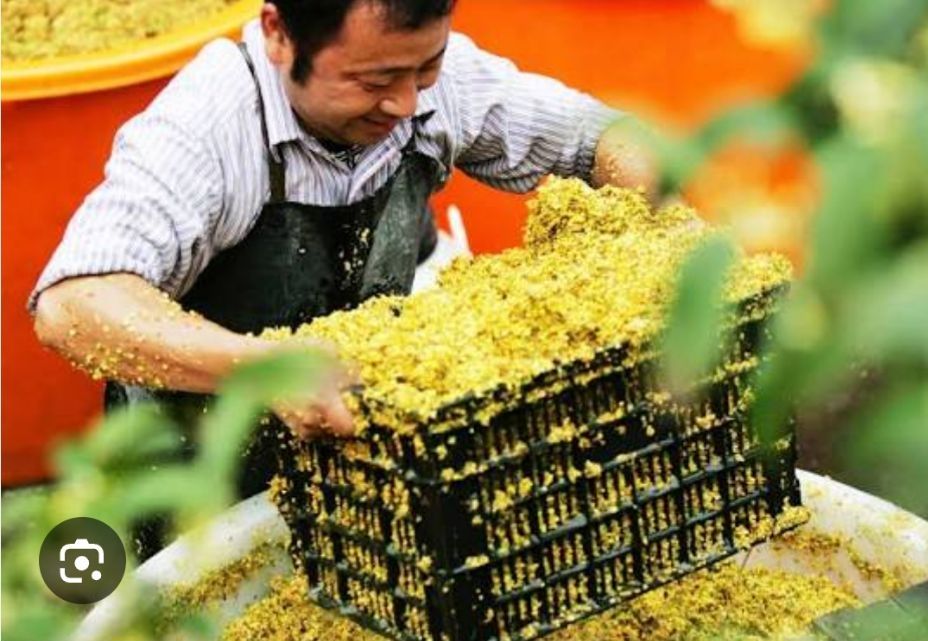
It was market day, and so the roads were pandemonium, with traders porting around huge baskets of osmanthus flowers; a highly fragrant blossom collected for teas, pastries, honey and wine. Guihua is known as ‘wooden rhinoceros’ in Chinese, owing to the resemblance between the tree’s texture and rhinoceros horns. The plant is prominent in southern China and in provinces along or south of the Yangtze River.
The next obstacle, a 150-metre ferry crossing, was a head-scratcher. We puzzled at how we would manoeuvre the bikes down the steep steps onto the tiny wet sloping ramp, complete with adverse camber, angled to eject us both into the dark brown swirling river. Jem reassured me with some golden nuggets like: “If the bike lurches into the water, then remember to let go of the handles.”

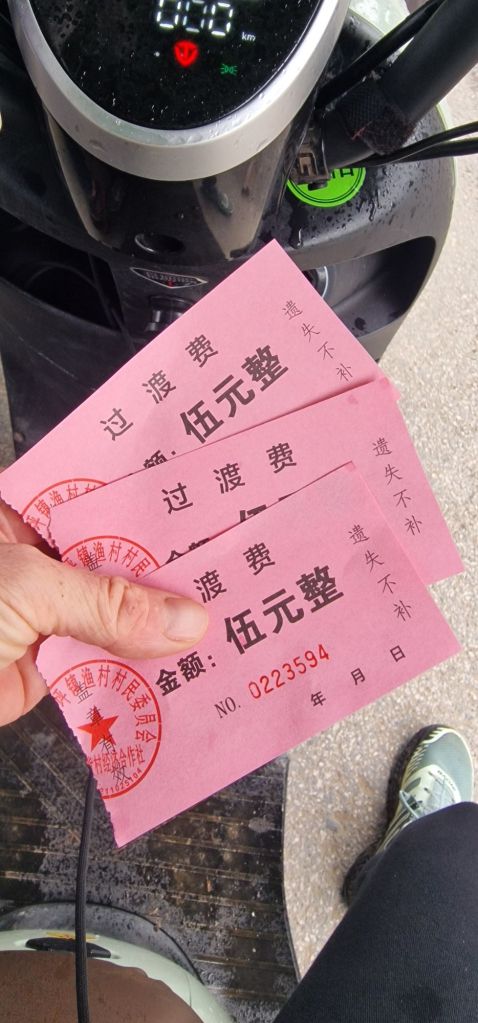
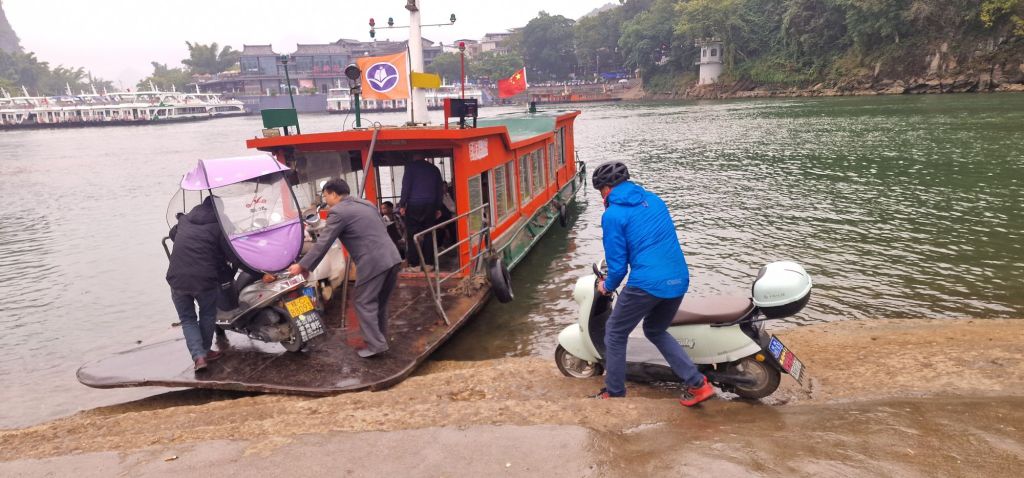
The captain shouted angry-sounding Chinese exclamations at us for the entire crossing while the other passengers stared on mercilessly. We looked back nervously and practised our best awkward smiles.

On the return journey, Jem’s scooter battery drained to red, several miles from home. Never have I seen a more sorry sight than Jem limping along at 5km/hour in torrential rain, knees by his ears, and wearing his wonky climbing helmet, as lorries rumbled past honking their horns ejecting sprays of water sideways. I had somehow missed Jem gesticulating furiously in my wingmirror as I pootled happily off into the distance, carrying both charging cables under my seat.
It was a glorious homecoming; two drowned rats cheering as we pulled up outside our hostel. A great day out indeed.
Yesterday, we binned off climbing and instead adventured around the local aspirational stalegtite-laden climbing venue; Square Mountain. If we had trained for this trip, this is where we would have set up camp for the last week.


We looked on in wonder at how some of these near-horizontal lines through flowstone and dripping tufas could be unlocked. A return visit would surely be in order to test our mettle.




The hammer and sickle are just one example of Chinese iconography and symbolism that have got us googling. Colour and etymology, and even what specific words sound like, can lead to PR armgeddon in China. For example, the Mandarin word for shoes – ‘xié’ – is a homophone for ‘xié’, or evil, so giving someone a pair of shoes is thought to be bad luck. Similarly, the Mandarin phrase for sharing a pear – ‘fēn lí’ – is a homophone of ‘fēnlí’; to separate or part ways. In the same vein, it’s bad form to give someone a fan (shàn) or an umbrella (sǎn), as the Mandarin and Cantonese words for these objects sound like the word ‘sǎn/sàn’; to scatter, to part ways.
In some cases, choosing the right quantity is almost as important as choosing the right gift itself. Because the words for ‘four’ (sì) and ‘death’ (sǐ) sound similar in Mandarin, it’s a serious faux pas to give gifts in fours. Gifts given in pairs or eights are thought to be luckier.
In Chinese culture, the colour red traditionally symbolizes good luck and happiness. But you should never write a Chinese person’s name in red ink, since some people believe it will bring that person bad luck.
White is traditionally associated with death and mourning, so presenting a bouquet of white flowers will send strong funereal vibes. The phrase ‘dài lǜ mào’, which literally translates to ‘to wear a green hat’, means a man’s wife is cheating on him, so you should never give a Chinese man a green hat unless you’re prepared to answer some serious questions.
With that in mind, when we left, we gave everyone a stiff hug rather than risking a diplomatic bombshell. Our last night was really special; Lilly took us out to an awesome restaurant, and we said bye to some guys who we will certainly be staying in touch with.
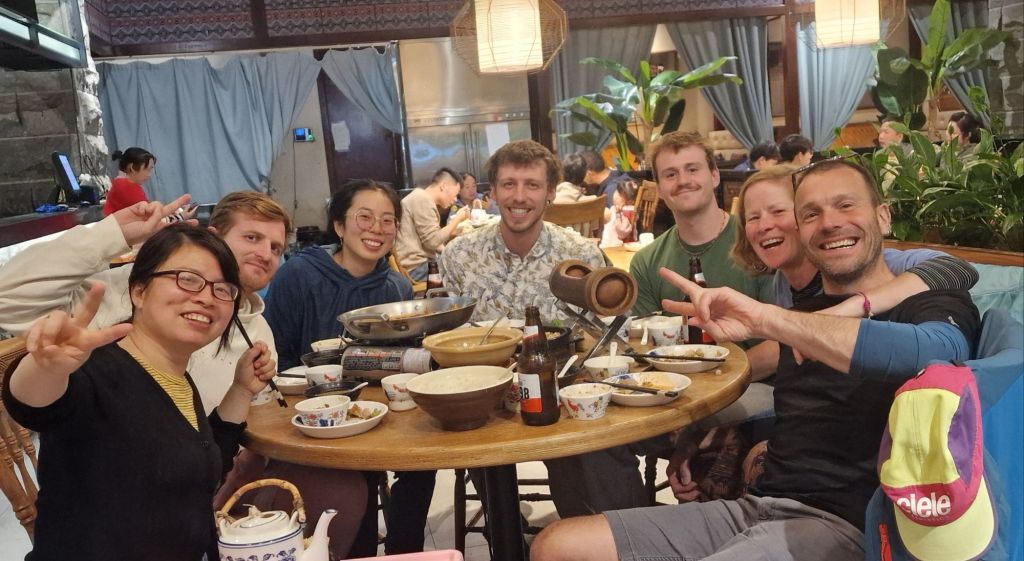

So long, Yangshuo. We will miss you and your exquisite beverages. Off to Shanghai we go…. on the BULLET TRAIN.
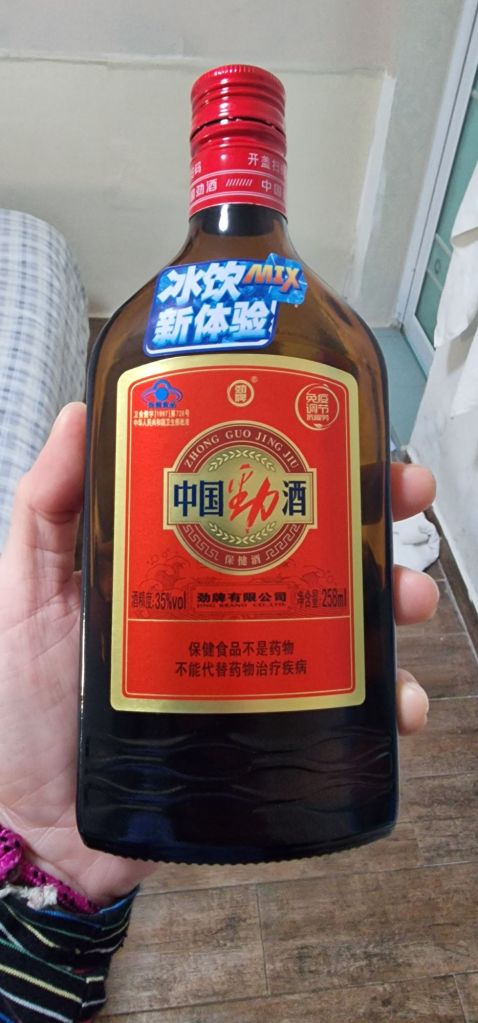
 is there poodle in my noodle
Leave a comment