
Shanghai is a cosmopolitan whirlwind of extravagant high-end shopping malls, neon lights, raging counter-culture, and incessant hustle and bustle. The global finance and innovation hub could not be any further, culturally, from the repressive Orwellian regime of Beijing or the relatively unsurveilled lawless backwaters of Yangshuo.
Shanghai is the third most populous city on the planet (after Tokyo and Delhi), with the city proper hosting about 26 million people, plus tens of thousands of extra tourists downtown.
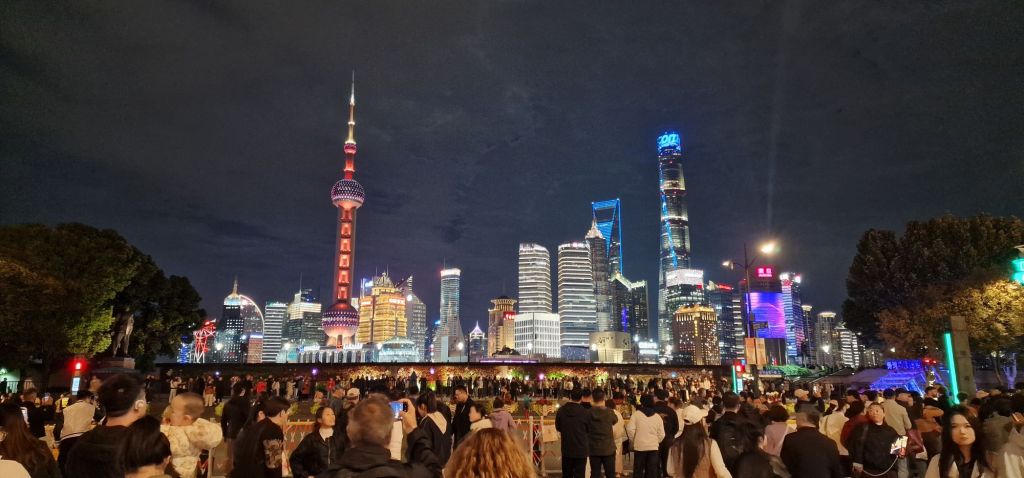

Originally a traditional fishing village and market town, Shanghai grew to global prominence in the 19th century due to domestic and foreign trade and its port location. The city thrives at the crossroads of transformation and tradition, with buildings dating back to the 1640s nestled between towering skyscrapers.
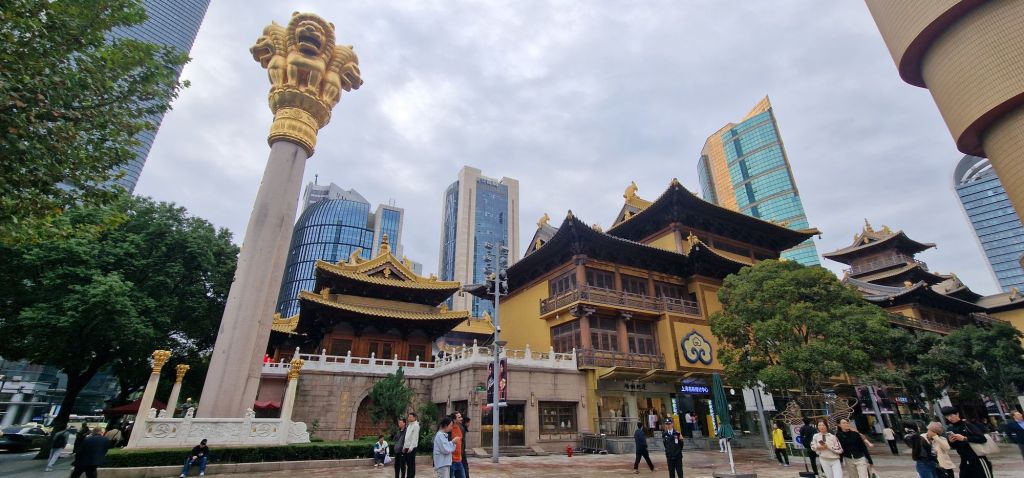


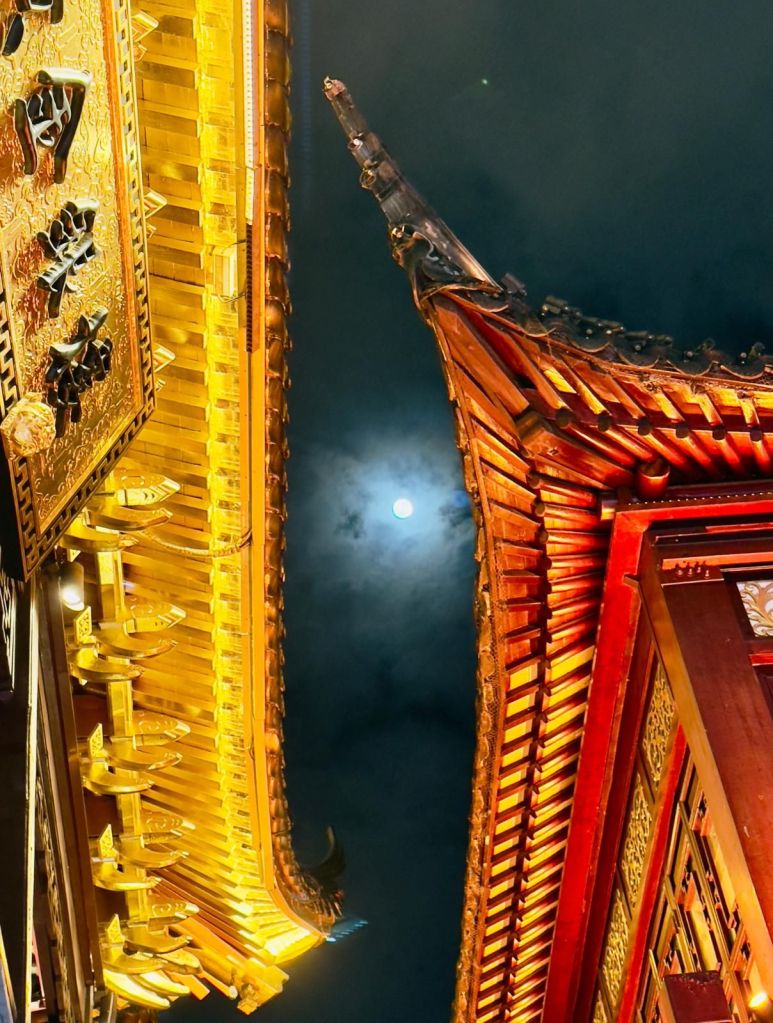
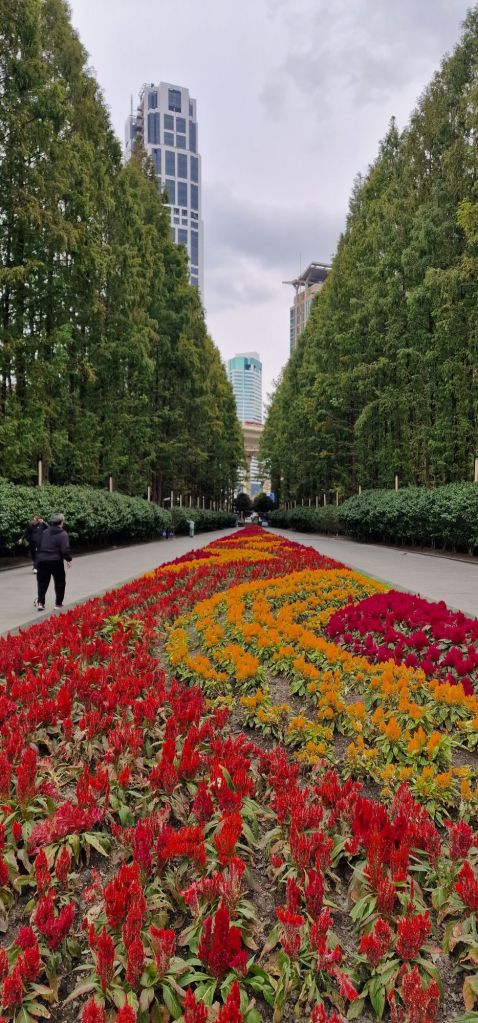
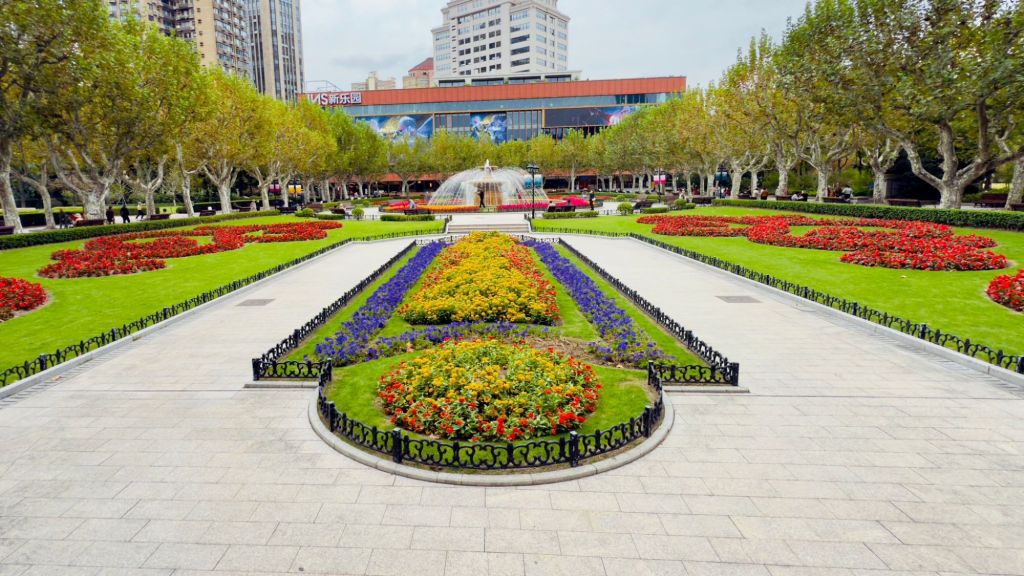
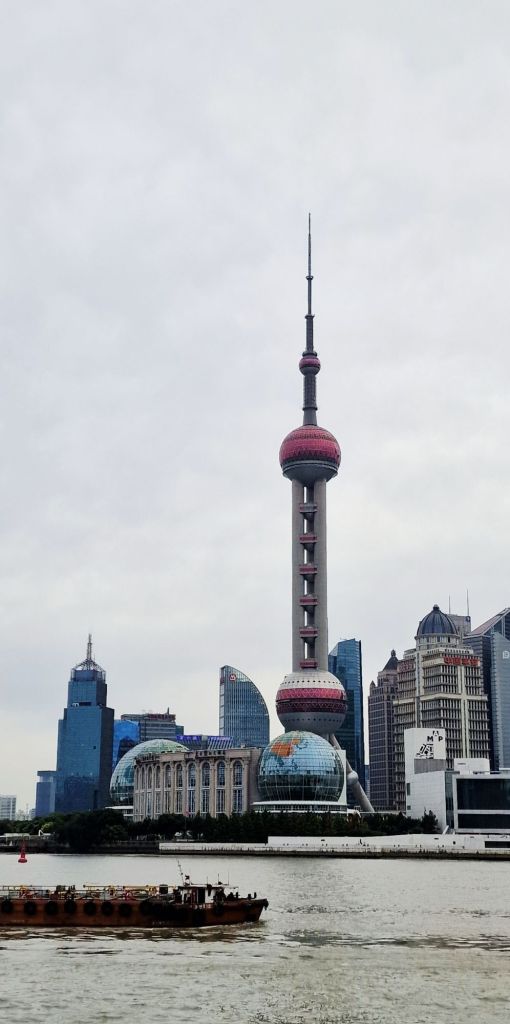
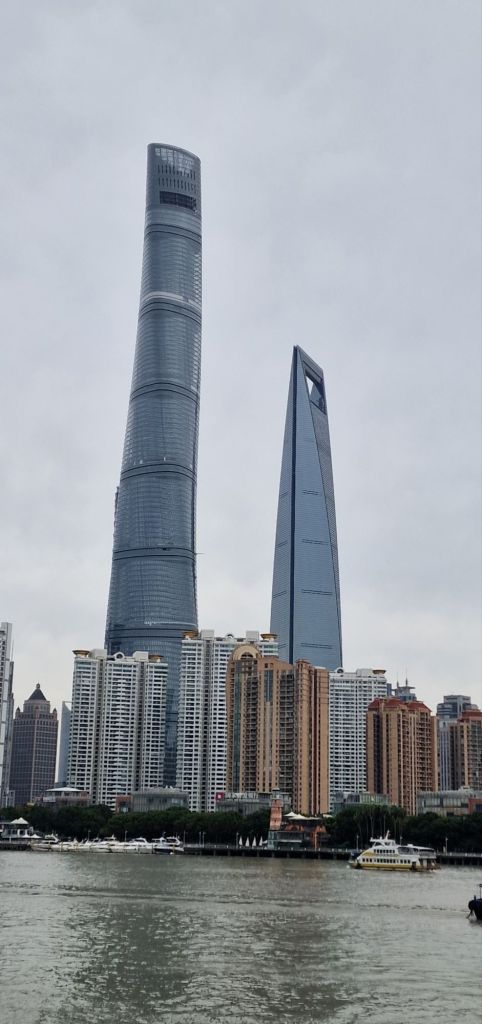
The famous waterfront skyline started taking shape from the 1990s onwards. The Bund, a historical district featuring both classical buildings and views of the skyline, is the main tourism draw here, along with the Vegas-style shopping area Nanjing Road East.
The street features gargantuan 3D advertising billboards, the size of the buildings they adorn, and is fringed by dozens of architecturally unique skyscrapers, each with its own light display.


Shopping here is insane; ostentatious malls on every corner and highly-coiffured women carrying couture shopping bags like a scene out of 1980s film Pretty Woman. So far, we have been able to afford a 2-inch solar-powered gold lucky cat and a fridge magnet. While we have been paying about £10 a night throughout China for some fairly spacious rooms, in Shanghai, we are paying more than £50 a night for a shoebox in a youth hostel.

Walking through the city is reminscent of a scene from Dawn of the Dead; almost everyone’s face is buried in a mobile phone, their bodies aimlessly meandering, unaware of their surroundings or the imminent environmental perils. Similarly, mobile phone volume control is non-existent, especially on public transport, with passengers oblivious to the fact they are playing videos at volume 11 in a packed carriage. If this brain drain is a symptom of an overpopulated metropolis, it conjures genuine concern for the future of our great planet. Beijing to Shanghai; from one dystopian existence to another, it could be argued.

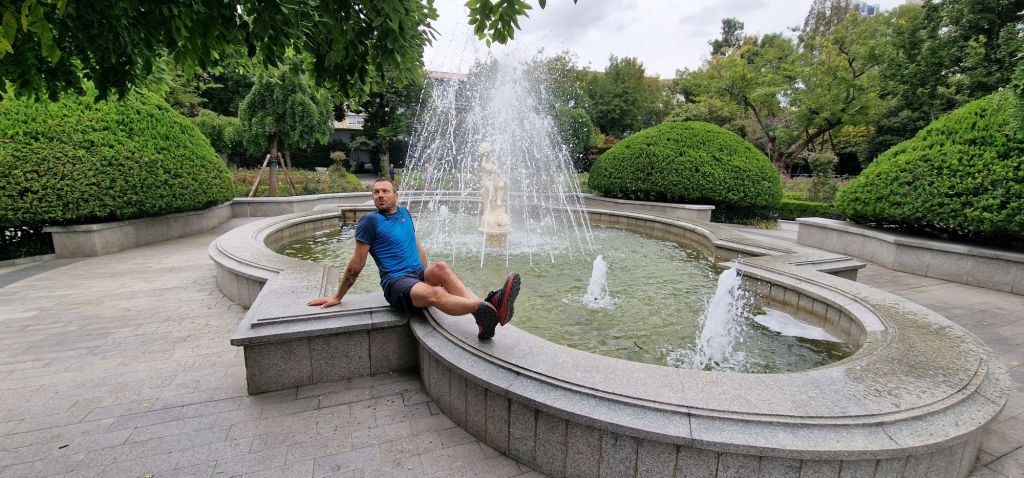
Due to the ramped up cost of living here, we found some cheap activities to do, like jogging around the city and taking the train to some suburban tourist spots.




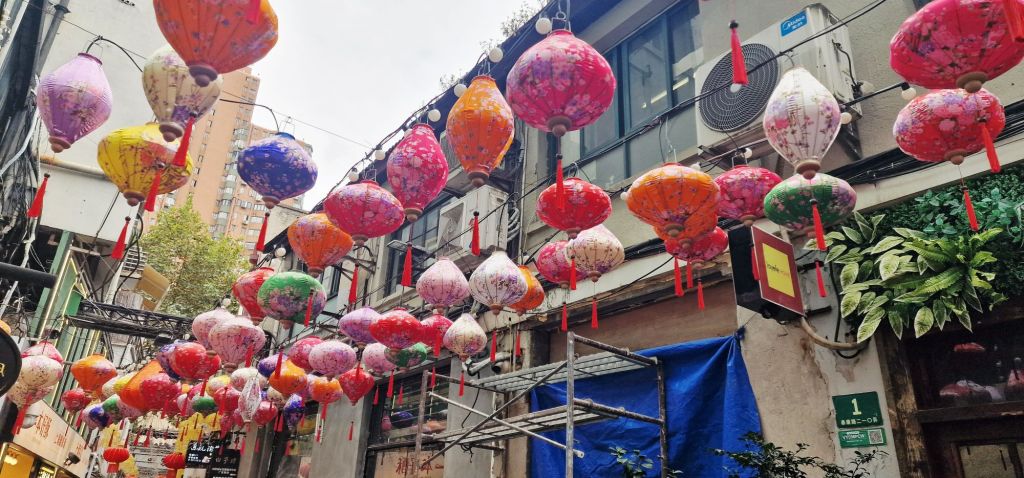

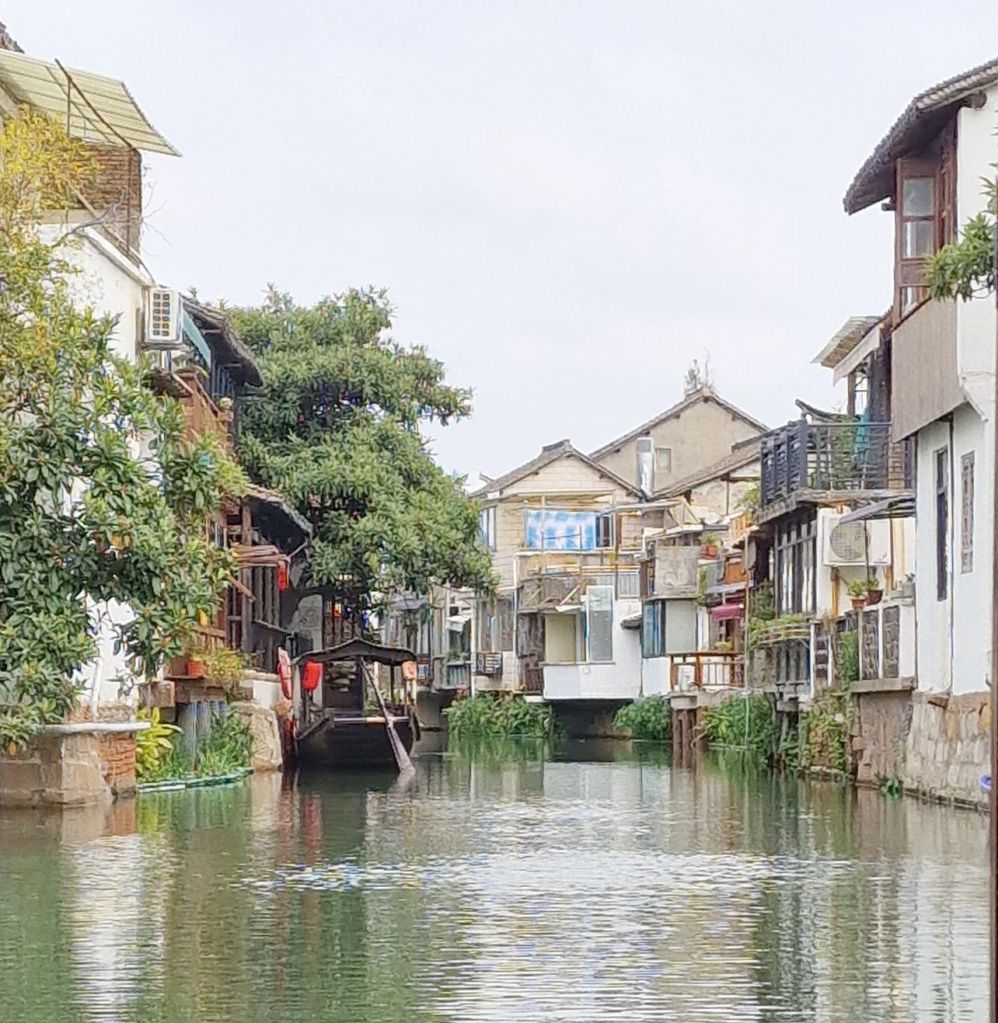
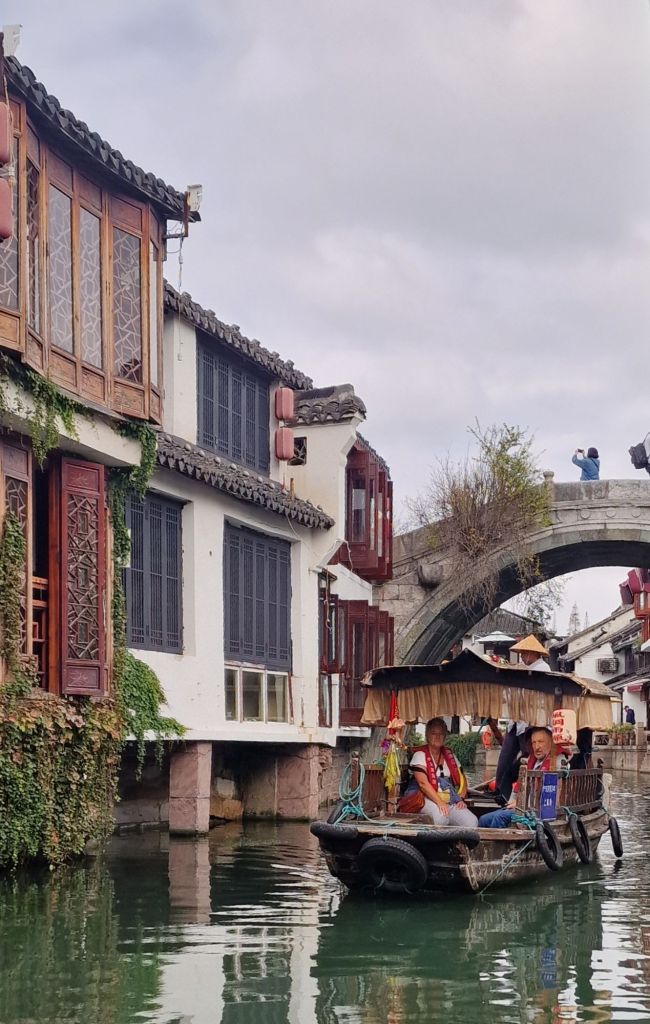
Shanghai is surrounded by several water towns; ancient, historic towns built on and around canals, known for their arched bridges and narrow stone lanes. Zhujiajiao, an hour away from the city centre, was established about 1,700 years ago. It provided a great value for money option with the train costing 80p each way per person.



Meanwhile, we have been keeping an eye on the weather in the Philippines, where a typhoon has just swept through, killing dozens on the central island of Cebu. This follows a 6.9 earthquake that struck the same island one month ago. There has been much debate about cancelling the trip, but hostel owners reassure us that it is safe to travel on other islands on the archipelago. We fly tonight 🤪
 is there poodle in my noodle
Leave a comment