Parachuting into a filthy and chaotic Indian capital city with 4.5 million inhabitants sounded like a good idea at the time. Jaipur’s famed pink walls looked quite romantic, with its picturesque forts and palaces, as well as the novelty of visiting my favourite beer’s namesake.
The city was painted its terracotta-pink shade in 1876 to welcome Prince Albert Edward (later King Edward VII), as the colour symbolises hospitality and honour in Rajasthan. A law was passed in 1877 to keep the buildings painted in this colour, and since it has been known as the Pink City.
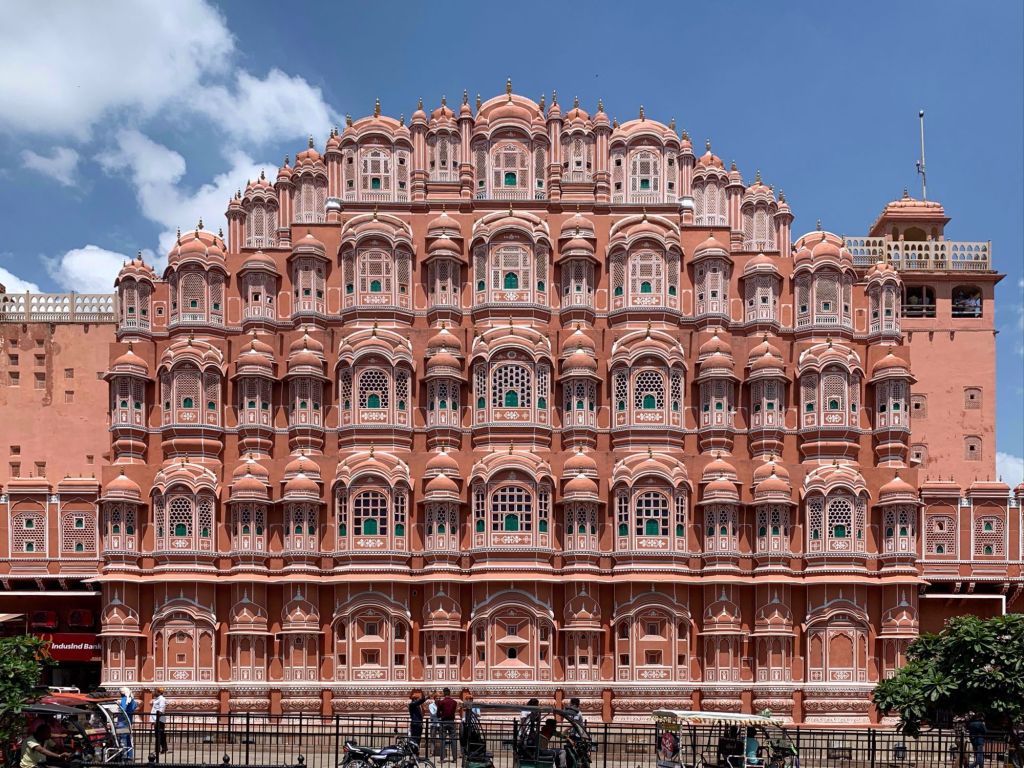
It’s sad to report that the city is neither romantic nor picturesque. In fact, the last couple of days have been quite a shock for both of us. The city has more than 3 million registered motor vehicles; three-quarters of them two wheelers, and 90 per cent of those were on every street we chose to visit, leaving us in a permanent state of anxiety.
The few pavements that do exist are random blobs of cracked weeping concrete; an insanitary obstacle course shared with a menagerie of uncompromising bovine creatures, dogs, and piles of rubbish.
It is the rule that all vehicles must incessantly and inexplicably honk their horns. They mustn’t use their brakes at any time godforbid, especially when in proximity to bi-peds, and they must regularly collide at speed to keep you on your toes.

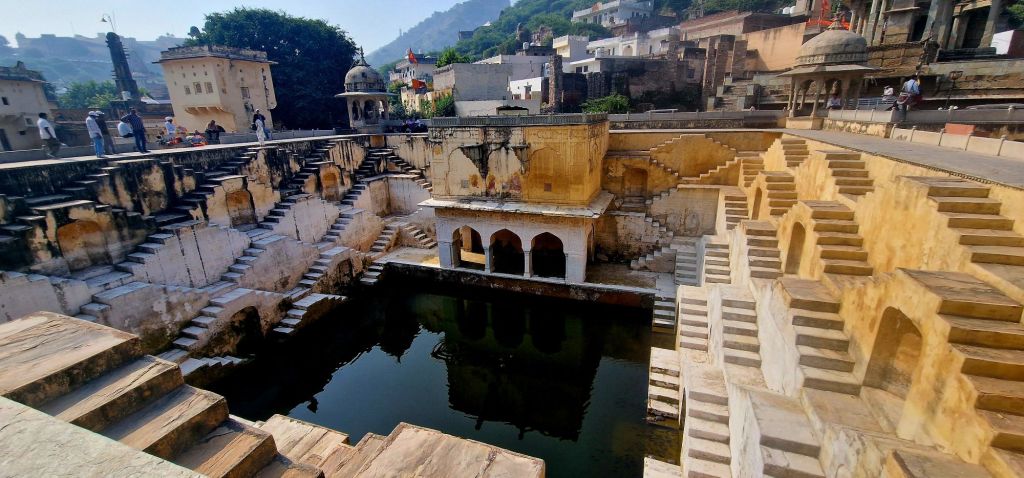
Our first stop today was the famous stepwell in nearby town Amer, a subterranean structure for harvesting and storing rainwater. Found mainly in western India, stepwells are deep excavations with broad openings to collect rain during the monsoon season. Stone blocks arranged into stairs lining the walls allow people to descend into the stepwells and gather water during the long dry season in these arid regions.

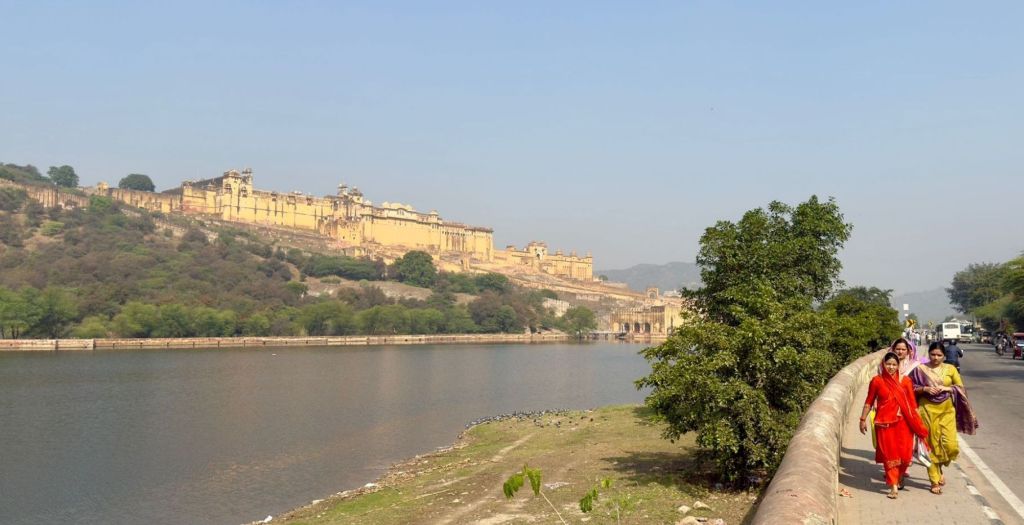
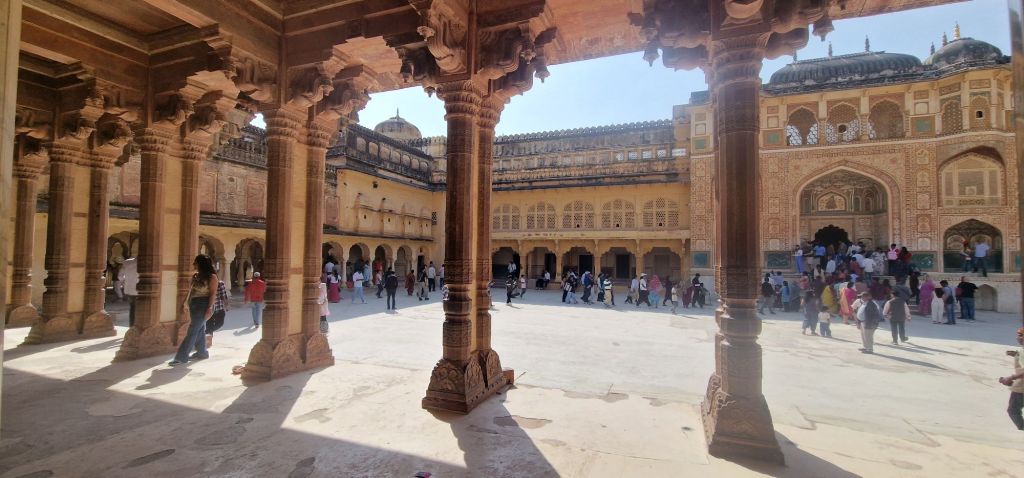
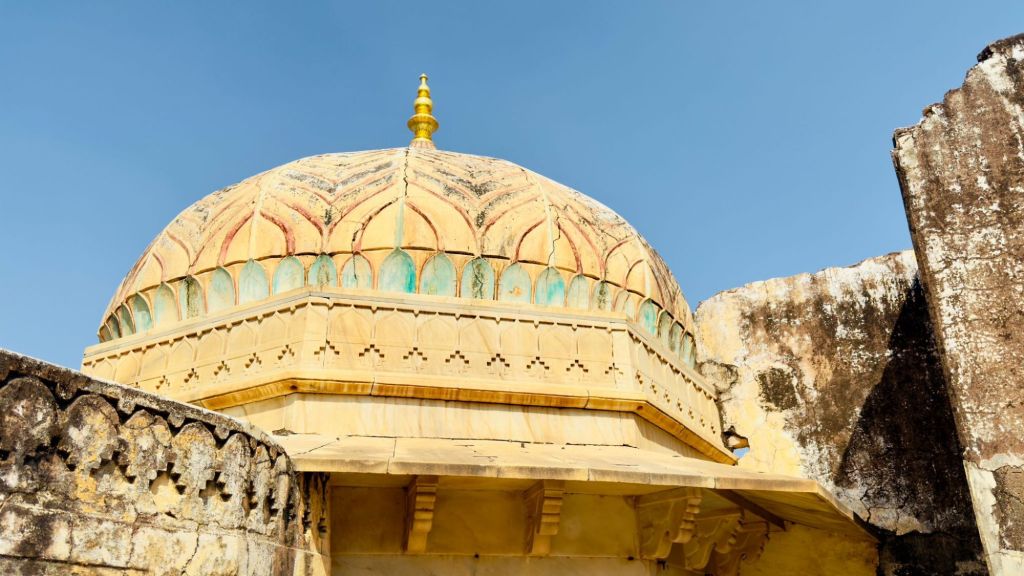
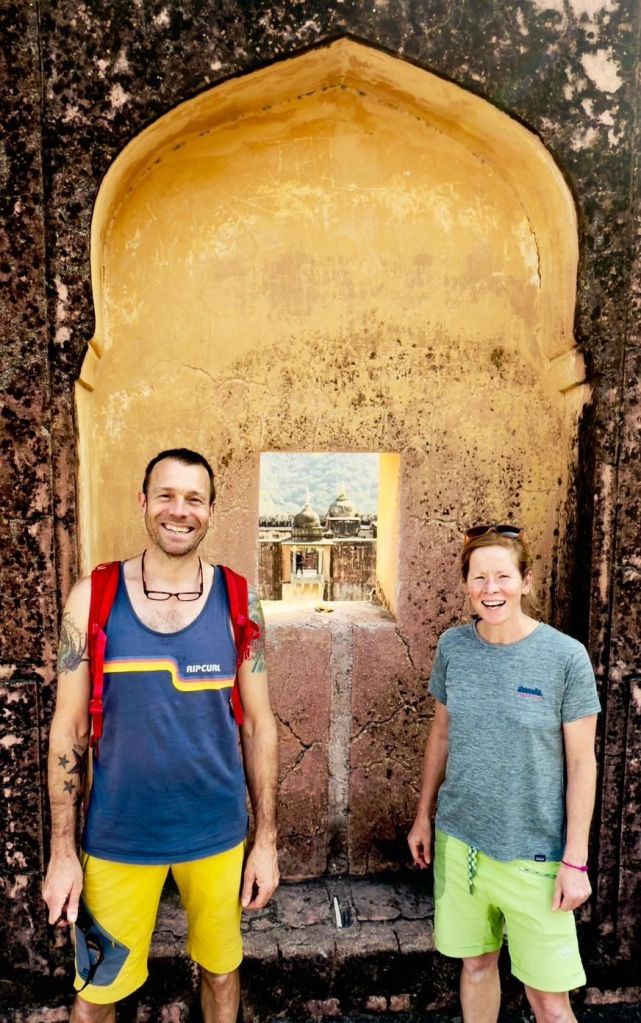
Just down the road near Amer also sits the region’s number one tourist attraction, the Amber Fort. Construction began in the 10th century, and the site was then significantly expanded in the 16th century. It served as the royal residence until 1727, when the capital moved to Jaipur (a few miles away).


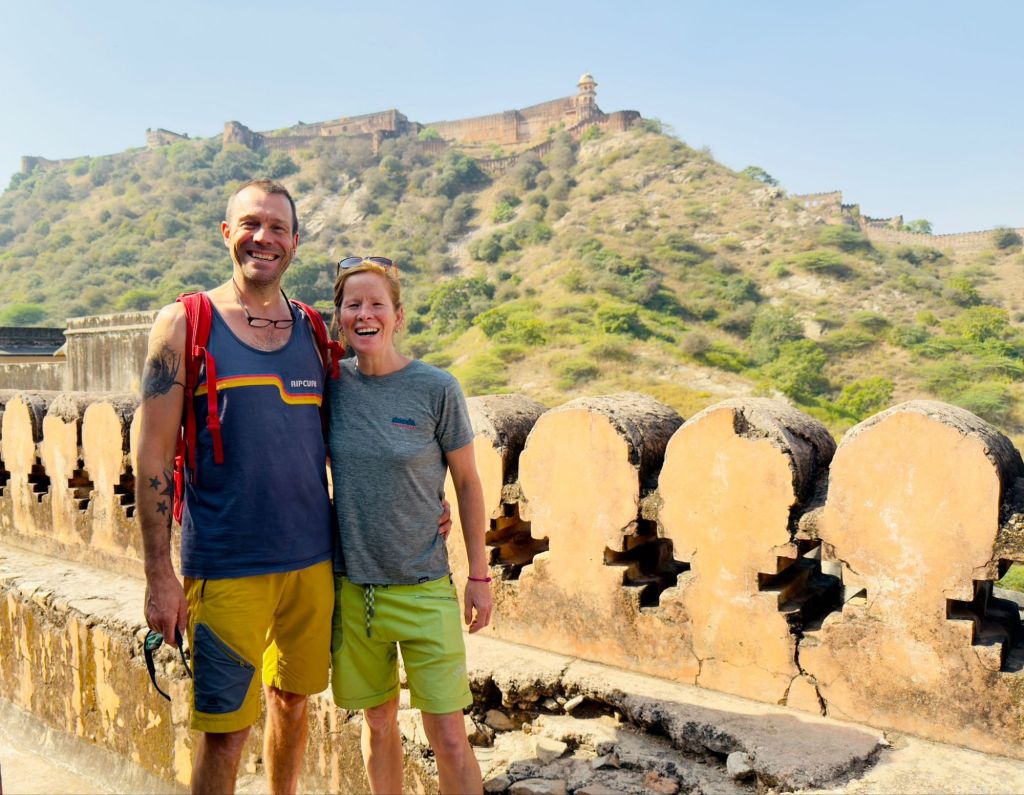
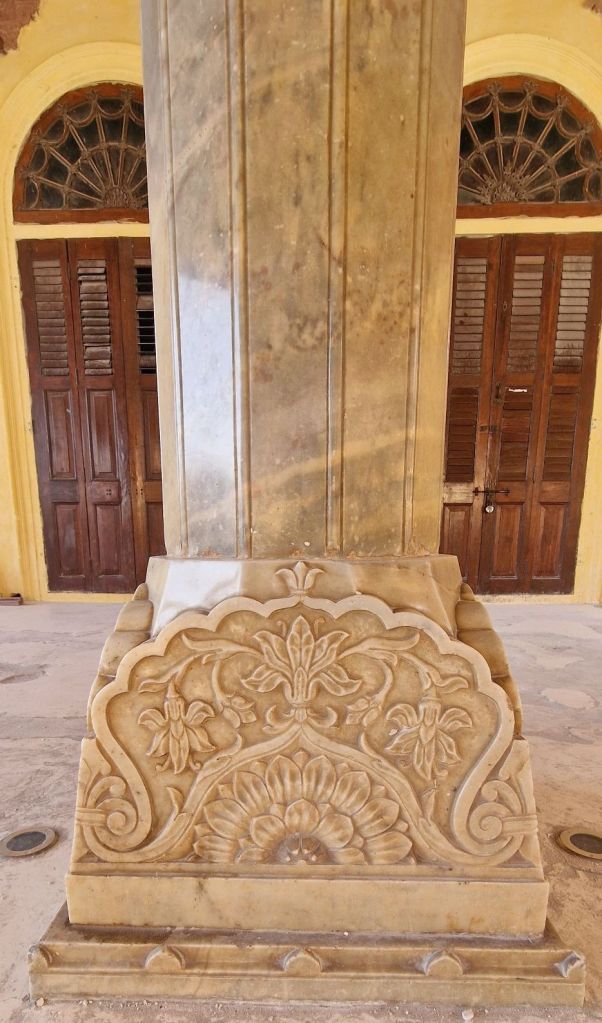


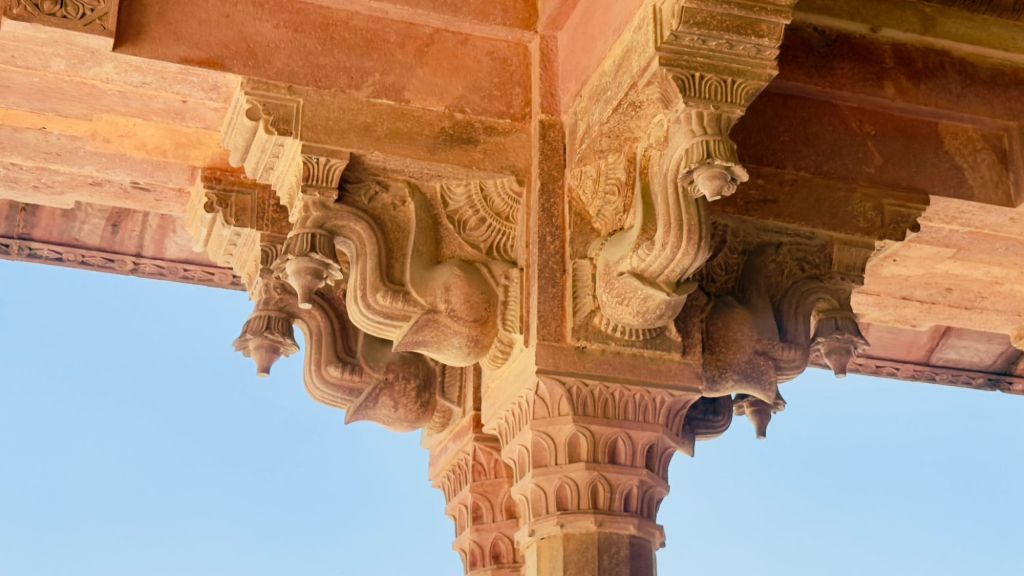
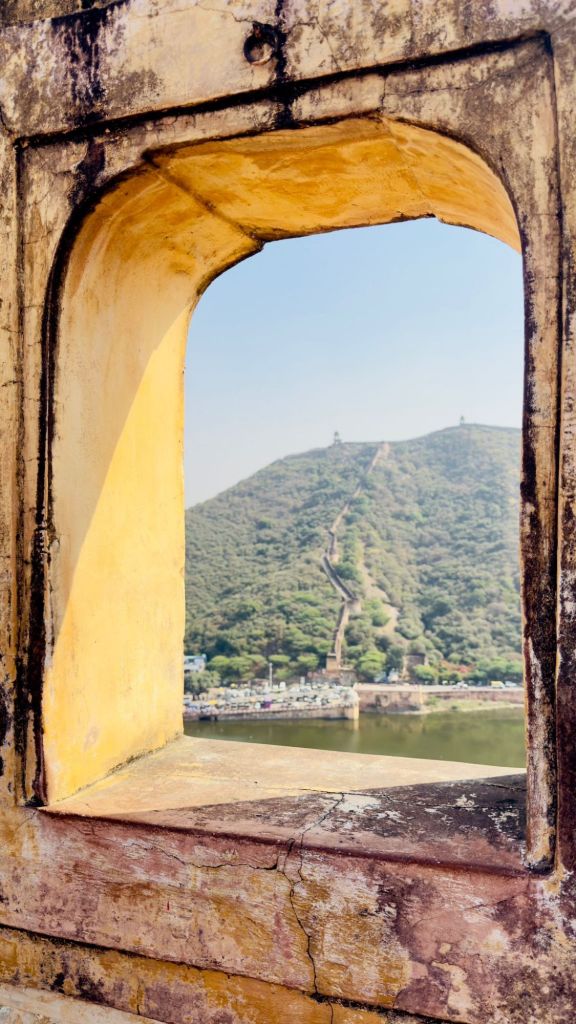



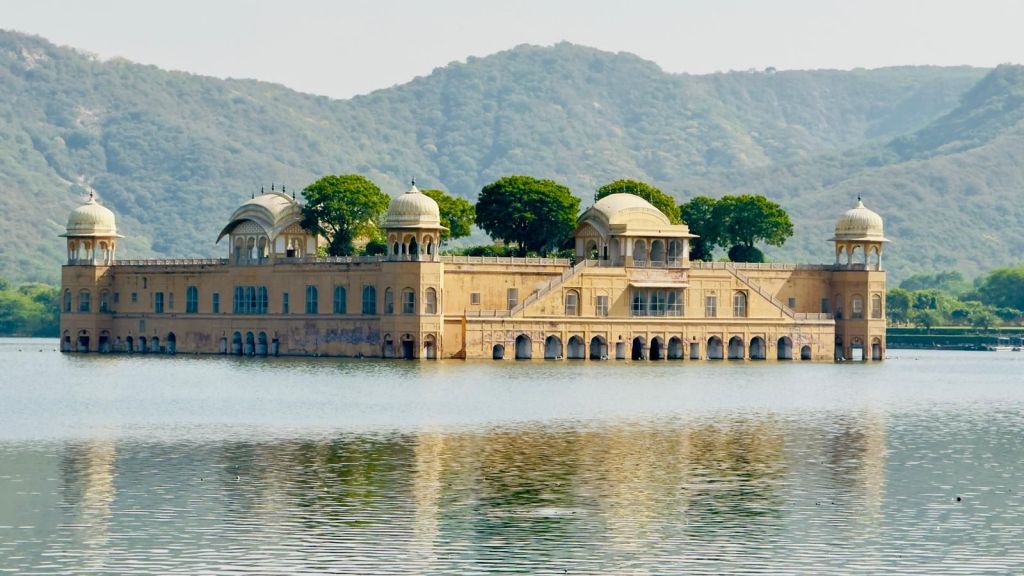
The Jal Mahal (meaning Water Palace) is another 17th-century royal building located just down the road from Amber Fort. The palace, built with local sandstone, is a three-storied building, with only one story showing when the reservoir is full. It was once used as a summer house for the king and his wives, though sadly, it is not open to the public. Our tuktuk driver told us that the water provided some cool air in the hot summer months when temperatures can reach up to 50 degrees.

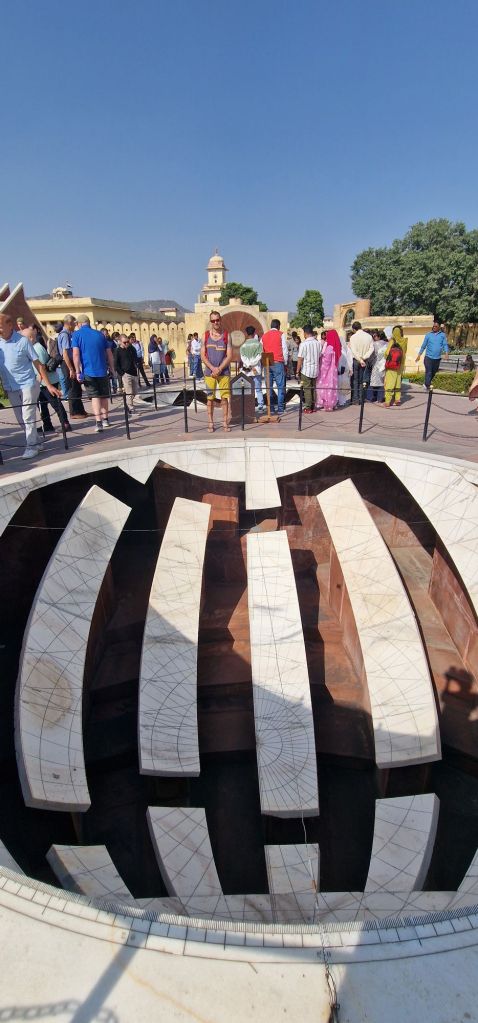
Back in town, we headed to the Jantar Mantar, a collection of 19 astronomical instruments built by one of the kings, who also founded Jaipur. The monument was completed in 1734 and features the world’s largest stone sundial.

Our final stop for the day was the hilltop Nahargarh Fort, which was built in 1734 and helped defend the city. This was not on the tourist trail and was by far our favourite one of the day.
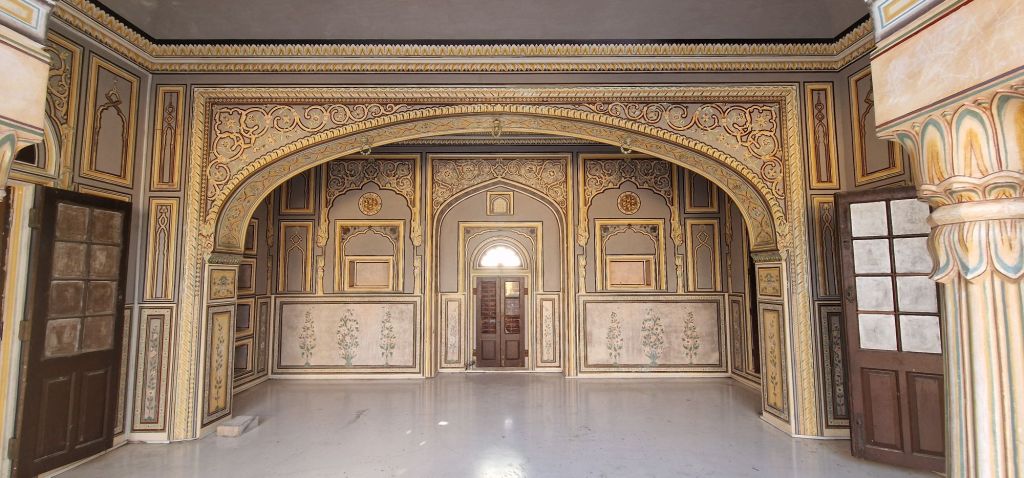
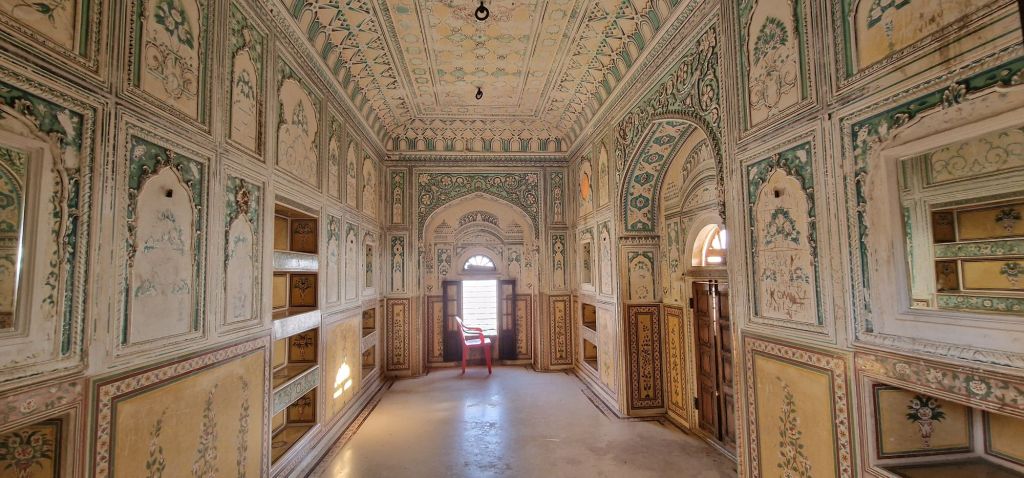
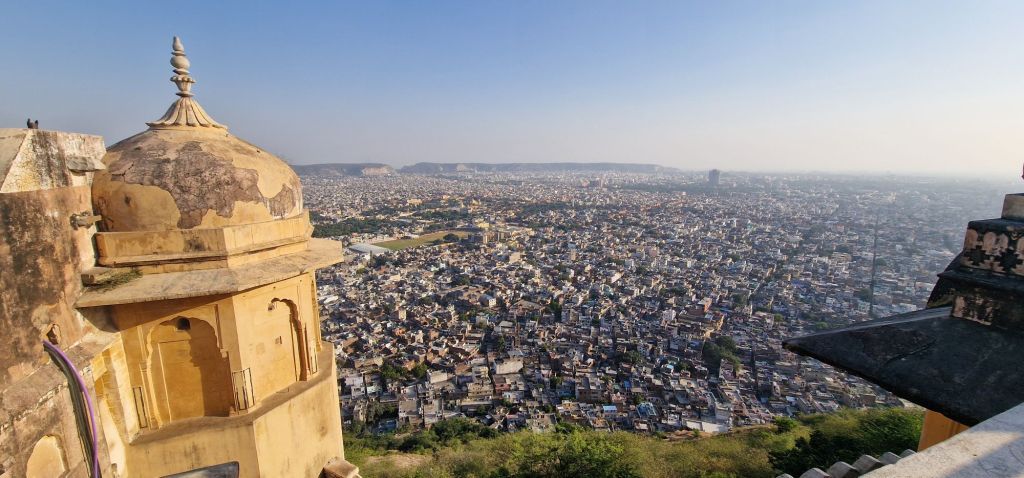
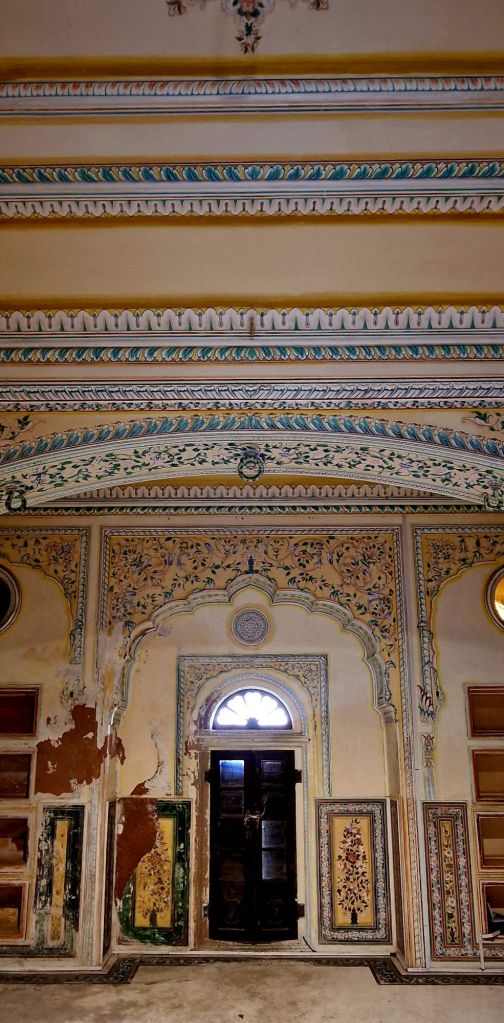
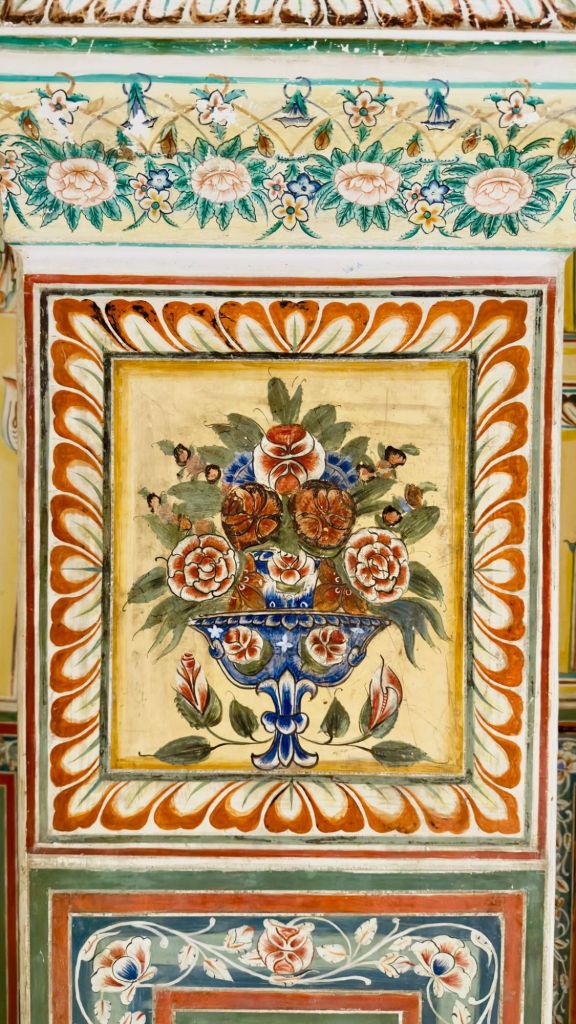

Granted, these photos do give the impression of a beautiful city and historic pink buildings. But don’t be fooled. Jairpur is a war of attrition; an exhausting battle against an army of persistent hawkers, motor vehicles, and pollution. Despite this, we have had many awesome interactions with locals, who have shown kindness and respect, and just want to know what we are doing here. In addition, we are reassured that Jaipur is nowhere near as busy as Agra or Delhi, which form the other two corners of the famous Golden Triangle.
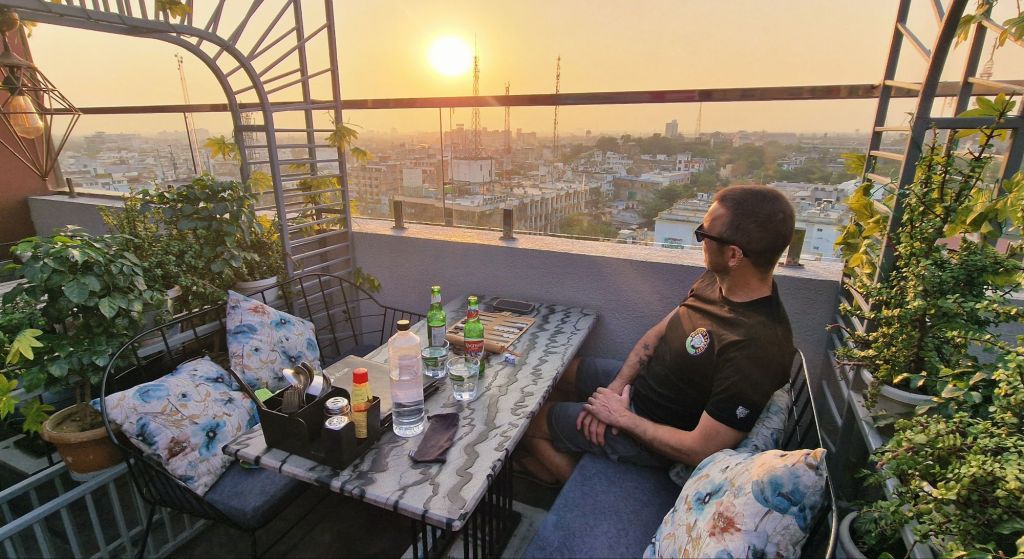
Rich and poor operate side by side in this crazy maelstrom – the rich just disappear up to their roof cocktail terraces and ponsy bars for some respite at the end of the day.
Here is a dosa masala. It was tasty. The end.


 is there poodle in my noodle
Leave a comment