
The journey to Hampi was a trek of epic proportions involving two flights to Hubli airport via Hydrabad. There we waited five hours for a train, before the final one-hour tuk tuk ride to our accommodation.

The train station was mayhem. Unlike China, where the platforms are helpfully marked to show where you should wait for your booked seat, in India, it’s a massive bunfight to cram into an unmarked carriage and just hope for the best.
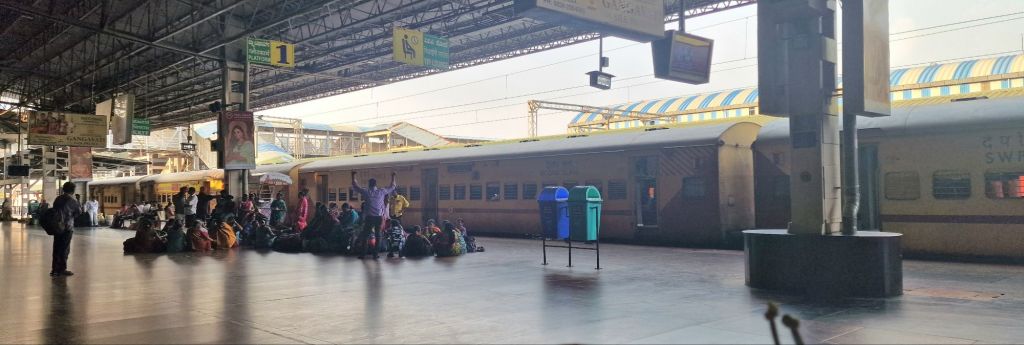
We had naively assumed that our reserved seats in carriage A1 would be at the front. The train pulled in, and we were immediately swarmed by a crazy scrum of passengers climbing over each other to similtaneously get in and out of the train.
Carrying 20kg bags, we waited for the fuss to die down and crammed into a carriage rampacked with Indians who were piled on top of each other. It was quickly evident our booked seats were not available, so we squeezed on the top bunk and curled up like pretzels for three hours while Jem kept the carriage entertained with tales of do and dare while they looked on with besumsement. Everyone stared relentlessly like we had tails coming out of our foreheads, while food vendors noisily moved up and down the train selling snacks and masala chai.

Once we had unfolded ourselves and found our flip flops which had disappeared under an old woman’s skirt (awkward), we alighted and walked down the platform past carriage A1, our booked carriage; an adjacent space with luxury accommodation full of Westerners with private rooms, leather seats, and air conditioning. How we laughed.
This side of India has been way more relaxed. We are staying at Goan Corner, where I stayed 12 years ago, located the famous UNESCO site Hampi.
The town is a deeply religious place, as well as a holiday destination for Indians. The site was once the capital of the powerful Vijayanagara Empire from the 14th to 16th centuries. At its peak, it was one of the world’s largest and wealthiest cities, and its ruins are a testament to the grandeur of that era.

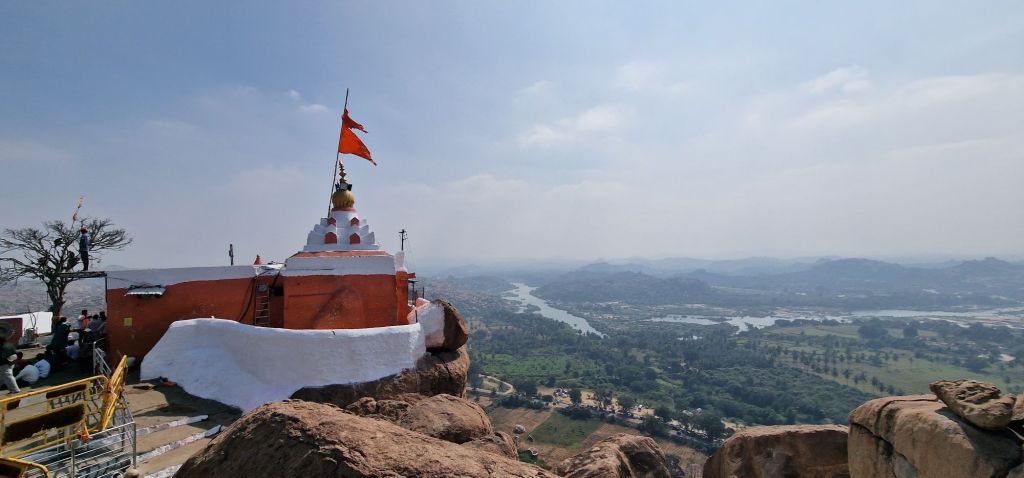
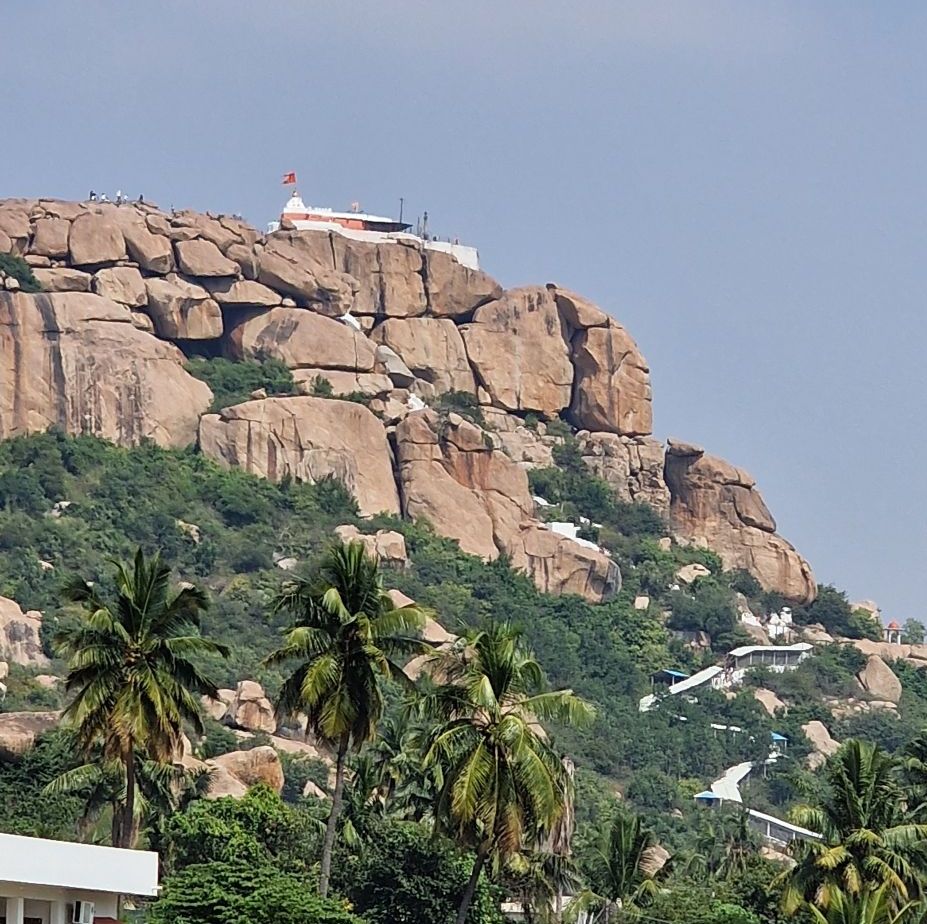
Yesterday, we grabbed a motorbike and visited the Monkey Temple. The “Monkey Temple” in Hampi is actually Anjanadri Temple, believed to be the birthplace of beloved Hindu deity Lord Hanuman. Visitors must scale the arduous hill to the temple at the summit, which is known for religious significance, panoramic views, and the presence of many monkeys.


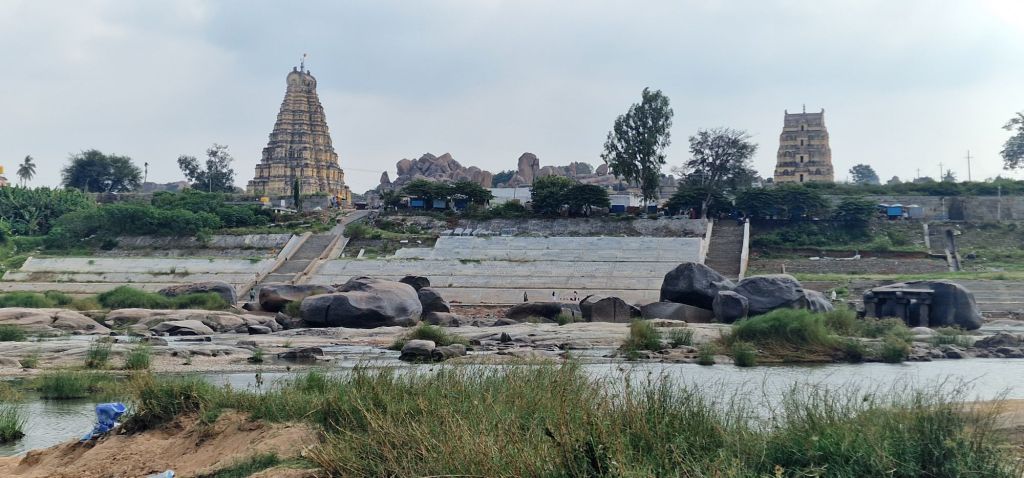
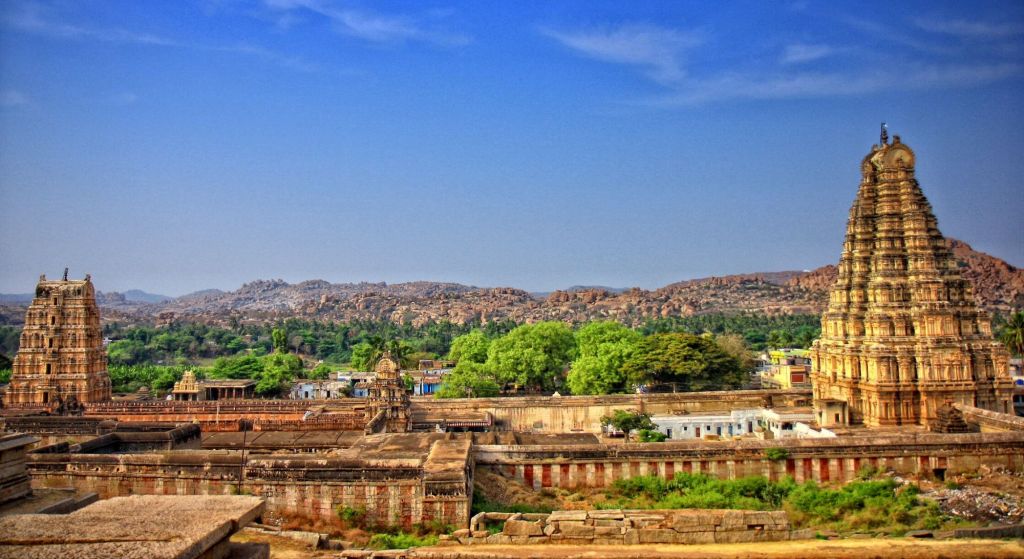
The most notable architectural feat in the town is the Virupaksha Temple, a 7th-century structure dedicated to Lord Shiva and still an active site of worship.
Going back to the bouldering area in Hampi was a strange experience; not least because I have an extra 10 year’s worth of gravity on my side. We looked at wonder at the improbable lines that I had skipped up on my last visit. The area has changed a lot, and sadly, the climbing scene is not what it once was here.

Plans at the moment are vague, with an intention to head to sport climbing destination Badami in a few days, before Goa in time for Christmas.

 is there poodle in my noodle
Leave a comment