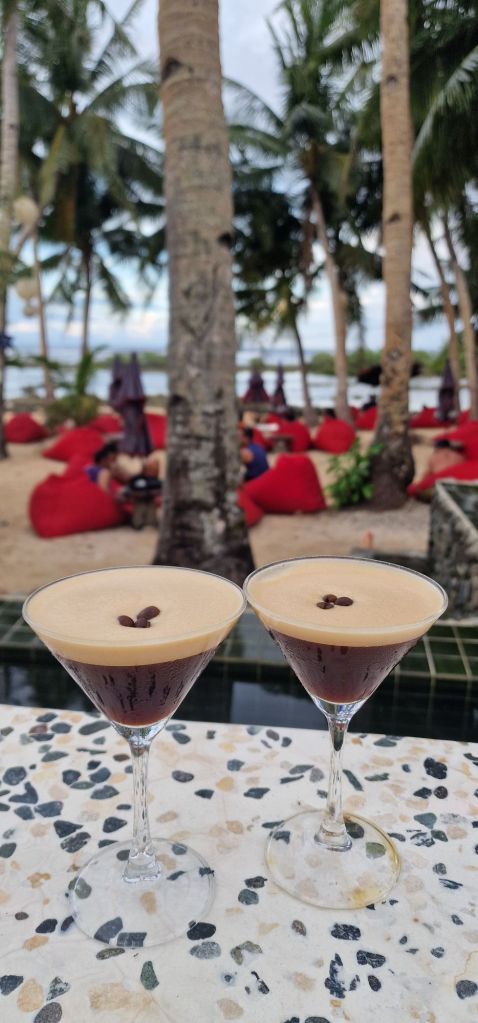
A very happy Christmas from Siargao, one of the most easterly of the 7,641 islands which make up the Philippines archipelago.

Siargao (pronounced Shar-gow) is internationally famous for its surfing, turquoise waters and sandy beaches, and hosts a renowned break called Cloud 9 which is reserved for the most skilled surfers.
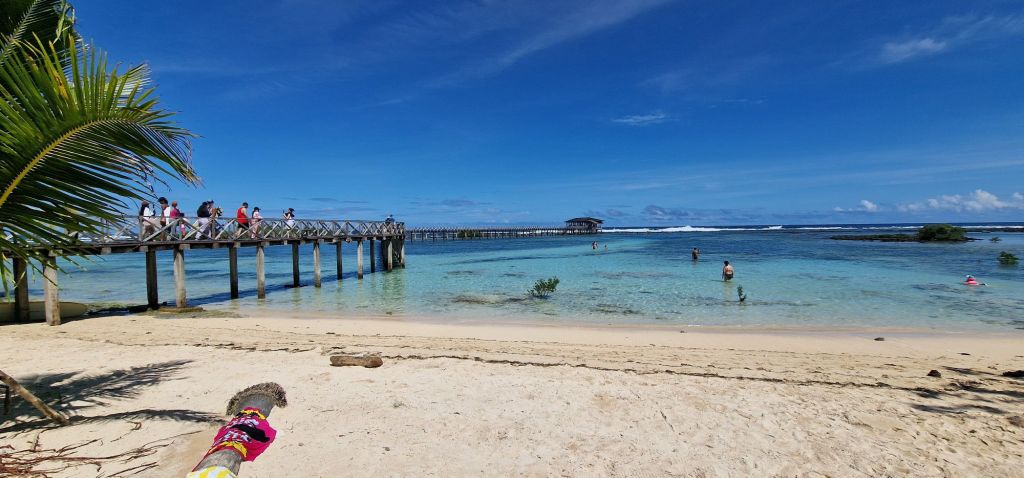
The island’s main tourist town, General Luna, is also home to hoards of exquisitely good-looking, bronzed and ripped surfer types, most of whom wear not much more than an eye-watering shoe string. Needless to say we are fitting right in 😂
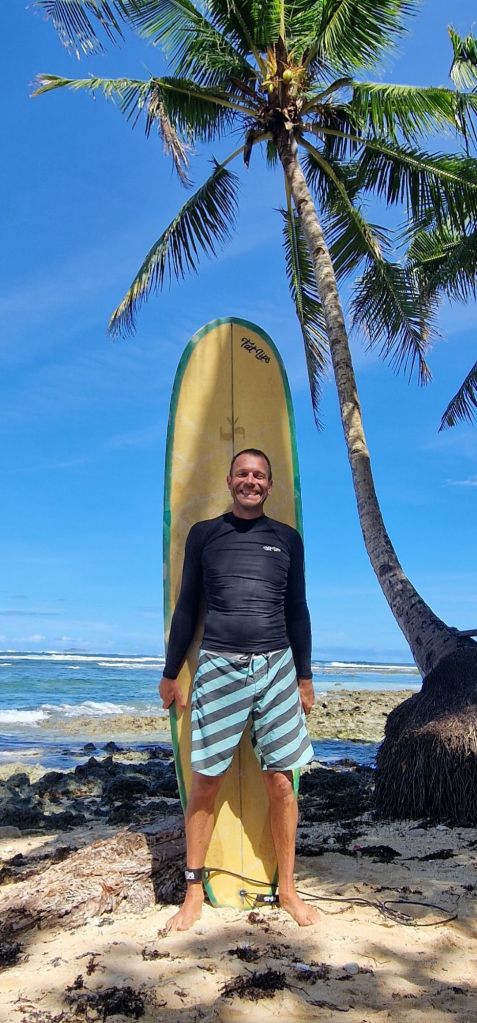
Jem has been honing his skills on the baby waves which has, by his own admittance, been quite an ego-crushing experience having not surfed in more than a decade. As promised I gave it a go; a brief and somewhat embarrassing excursion involving escalating panic, flailing arms and an unceremonious dismount, before flashing my nipples to the beach. Think I’ll leave surfing to Jem.
It is lucky then that there are many other activities to do, including finding more creative ways to crash the scooter, sampling the local beverages, snorkeling, and continuing our epic backgammon tournament.


The Philippines has a fascinating and cruel history. The country was colonised by the Spanish for 300 years from the 1500s. During this period, in the 1760s, the British captured the capital Manila for four years but were fought off by the Spanish. The country was then sold to the USA for $20 million in 1898 following Spain’s defeat in the Spanish-American War. This outraged the Filipinos, who declared independence and staged years of rebellion and resistance against American rule.
The country was then occupied by Japan for almost four years during WW2. Although Japan granted the Philippines its “independence” in 1943, the Filipinos suffered greatly from atrocities inflicted not only on suspected guerrillas but on many innocent civilians. Torture, rape, pillage, and massacres, sometimes of entire villages, took place all over the country.
During WW2, the Filipinos fought for the Americans and made huge sacrafices; tens of thousands died in battle, and of starvation and disease. Manila, once considered one of the most beautiful cities in the world, was the battleground for huge deadly conflicts between the Allieds and Japanese. More than 100,000 Filipino men and 20,000 Americans died and the capital was utterly demolished. It was not until 1946 that the United States officially granted full independence.
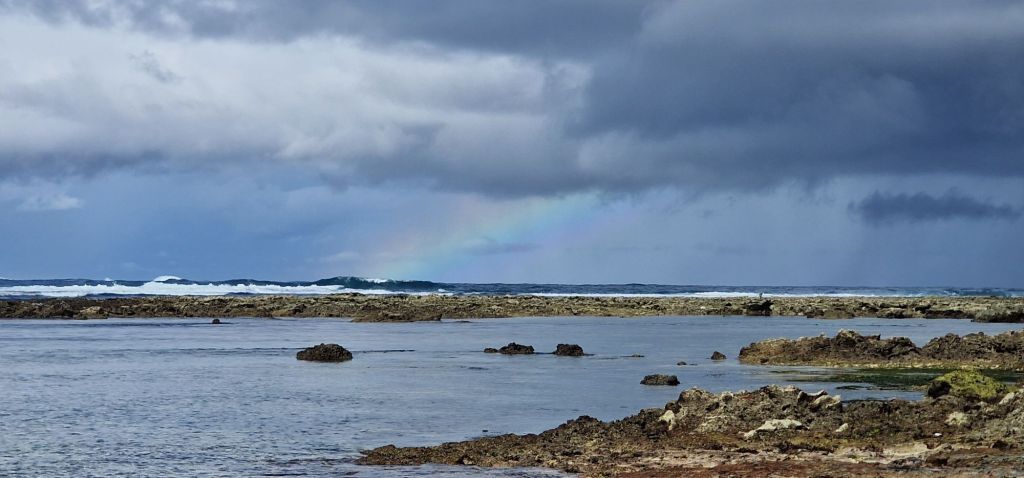
The Philippines is the only former Spanish colony that doesn’t speak Spanish. It has been surprising how little Spanish influence we have seen; the majority of the Spanish-speaking population was killed during WW2, as well as the language and culture dwindling during American rule. There are however more than 3,000 Spanish words in the local language Tagalog, which is primarily spoken amongst locals. Due to its island geography and turbulent history, the culture and linguistics nationwide are fragmented and there is no one prevalent national identity – in fact, there are more than 170 regional languages spoken across the nation. One consistent feature we have noted is just how friendly the Filipinos are; on the whole very laid back, kind and helpful.
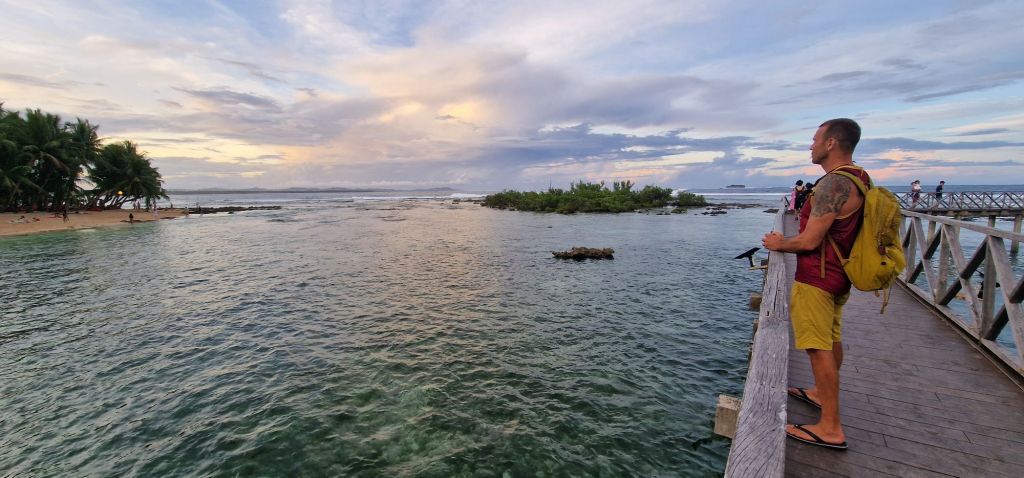
It is extremely hot and humid here, interspersed with one or two downpours each day. Plans include watching Jem surf from the safety of the beach, heading out on a boat trip to surrounding islands, and exploring Siargao on our scooters. To give an impression of size, it would take about 5 hours to drive around the entire island.
A big cheers and bottoms up to everyone at home, we hope you are enjoying your festivities!


 is there poodle in my noodle
Leave a reply to Helen Roban Cancel reply