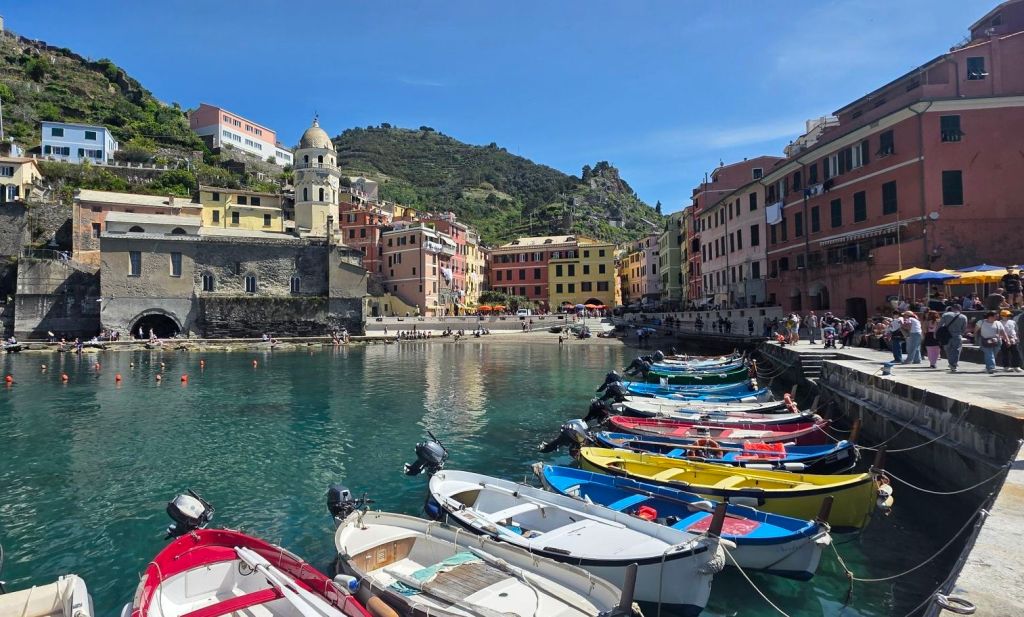
Having spent a week around Finale we conceded that it was time to do battle with the Italian drivers (and all-pervading toll roads) once more and head down the coast. Italian motorists have a fearsome reputation and it is true that tackling roundabouts and motorway slip roads are about survival of the fittest. We have discovered, however, that if you drive like a local – unapologetically and with purpose – they do actually yield a few extra inches.
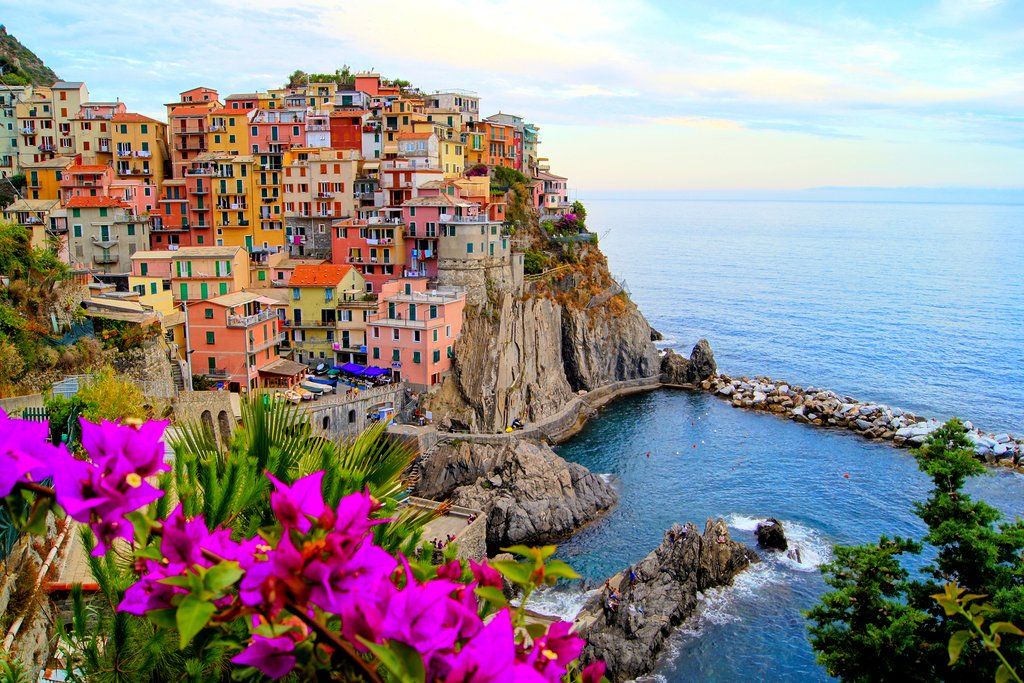
Cinque Terre is a string of five centuries-old seaside villages in the far east of the region. In each, colorful houses and vineyards cling to steep terraces, harbors are filled with fishing boats and trattorias turn out seafood specialties along with the Liguria region’s famous sauce, pesto.
As quintessentially beautiful as this place is, we felt that the area is a victim of its’ own success; even in the comparative low season it was heaving, and prices were sky high.
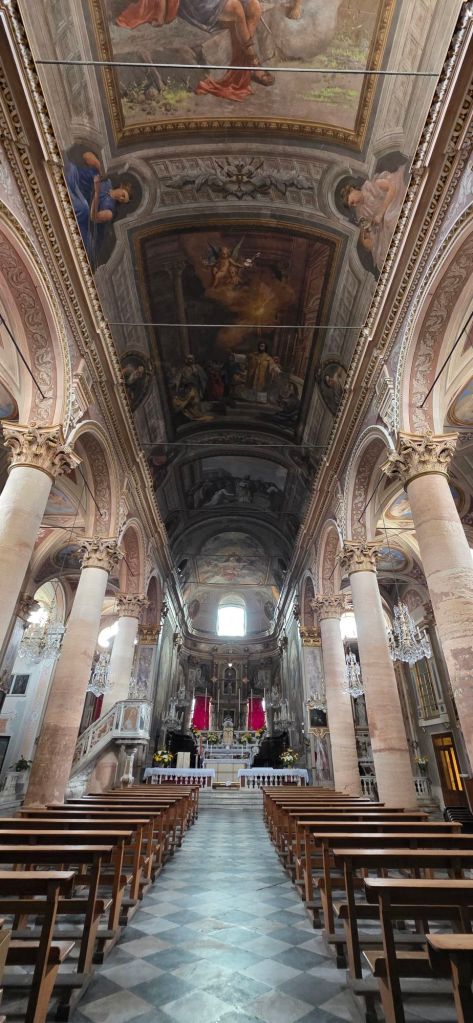
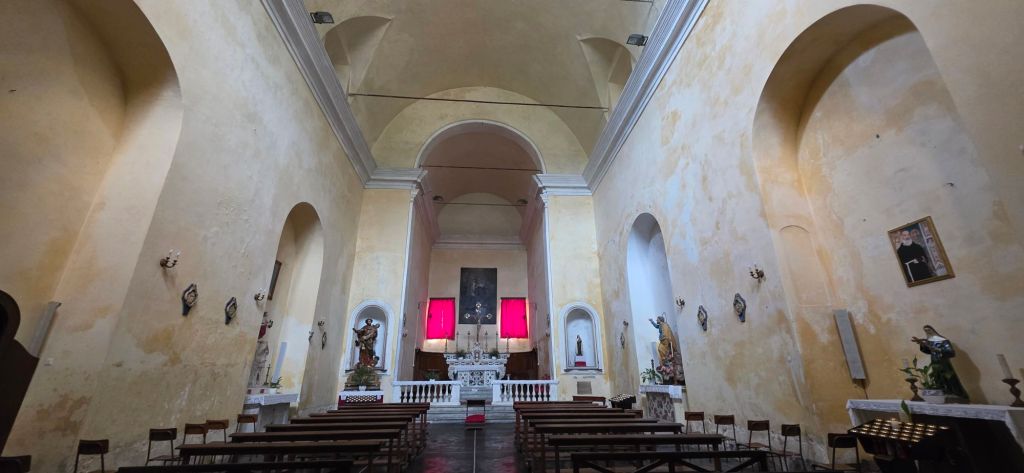
In this deeply religious country, where 70 to 80 per cent of the population identifies as Catholic (although only about 20 per cent actively practice) there are sometimes three or four churches in villages with a population of a couple of thousand. In the hilltop village of Toirano, for example, a guilded Baroque church sits almost next door to the more austere Protestant-style church.
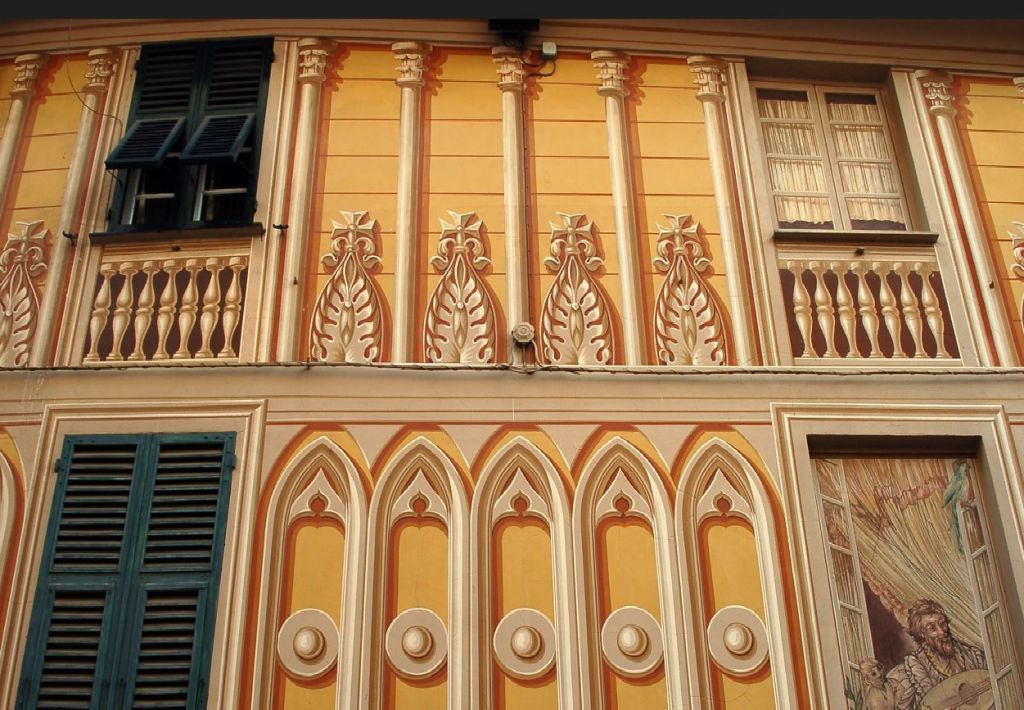
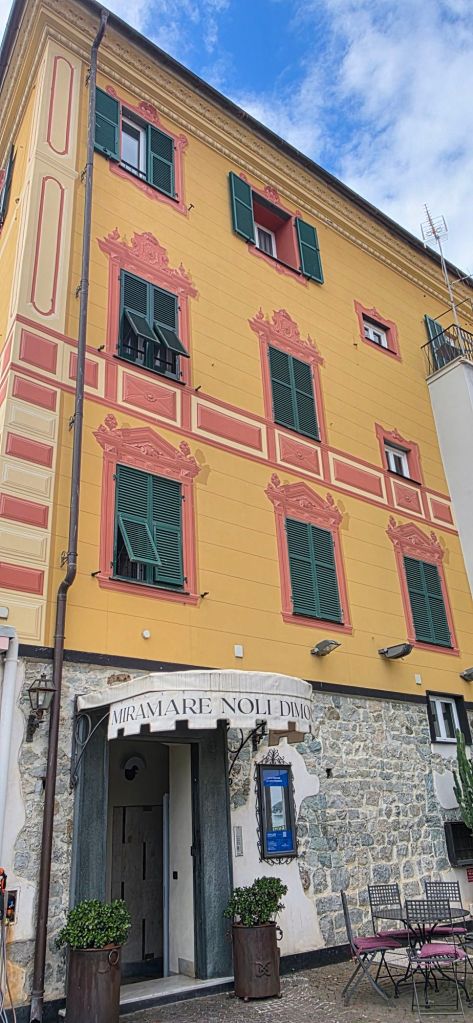
Another notable architectural feature of the area includes buildings covered in elaborate painted designs. Windows, shutters, columns, and marble carvings that look real from a distance often turn out to be completely flat paintings.
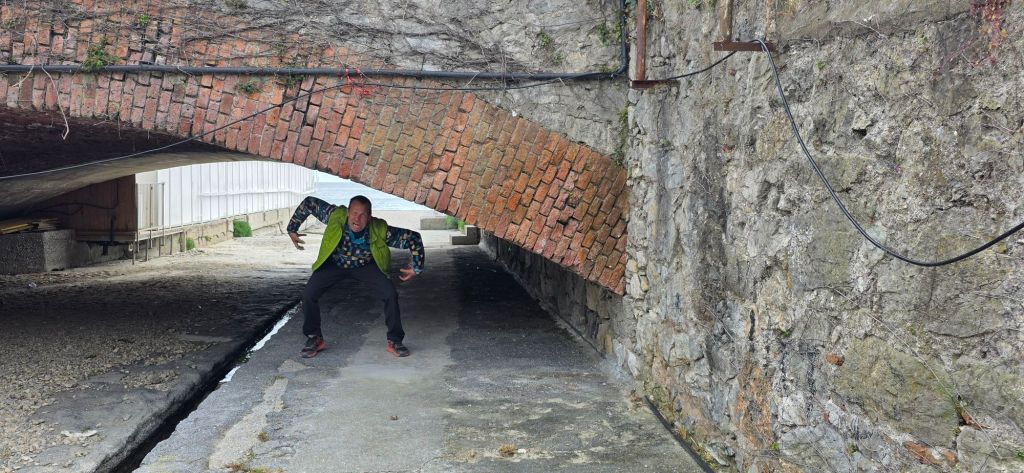
Running around Finale provided some amazing views down the coast.
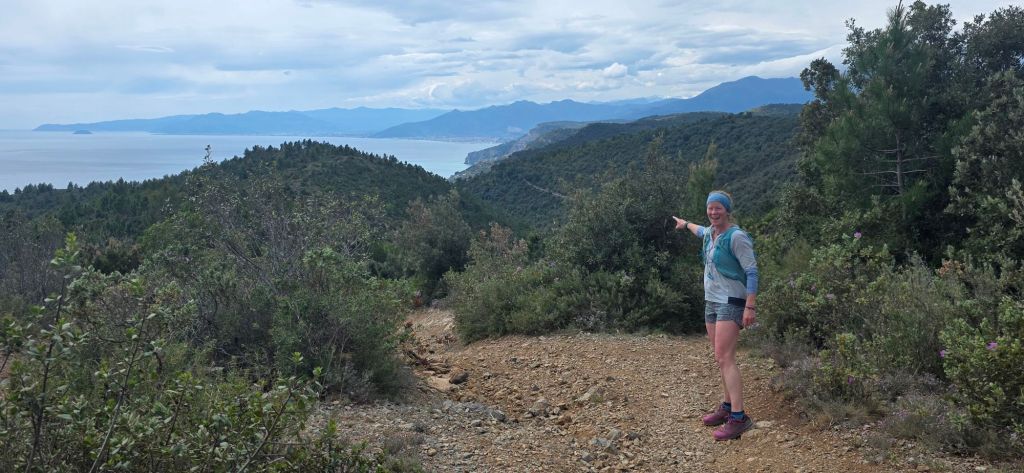
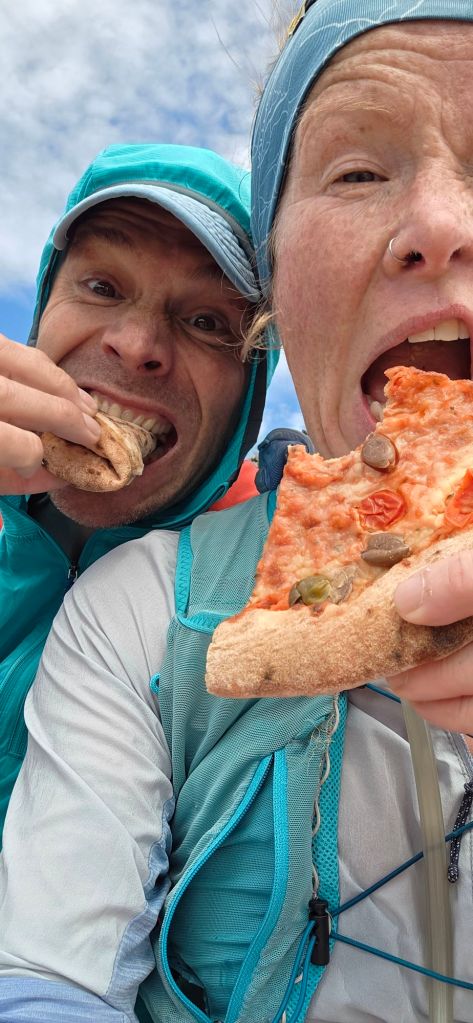
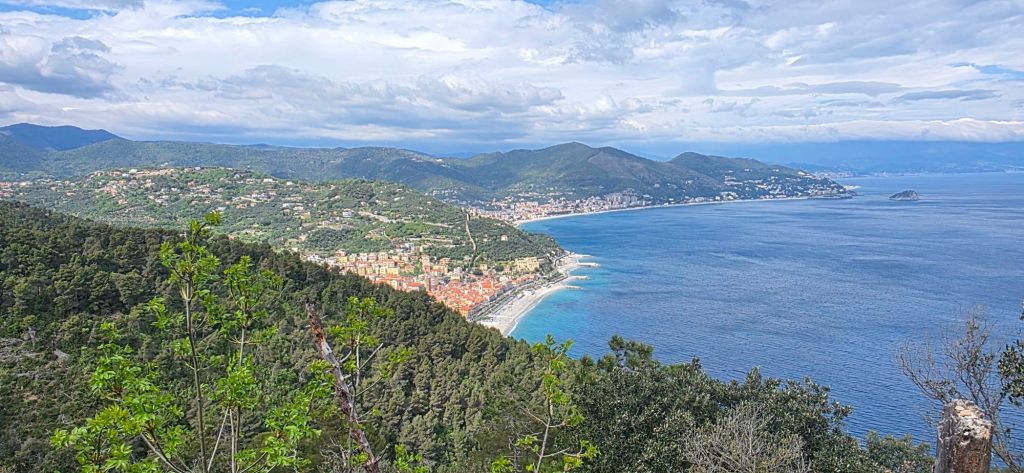
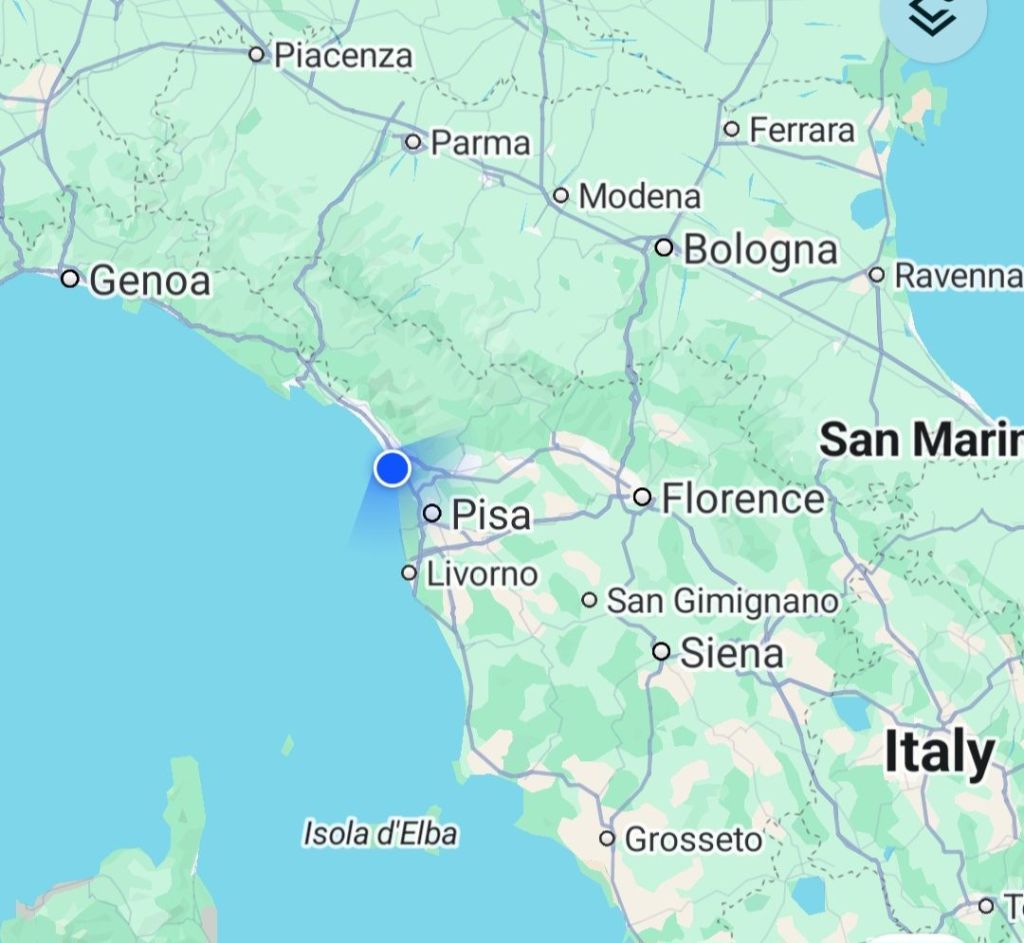
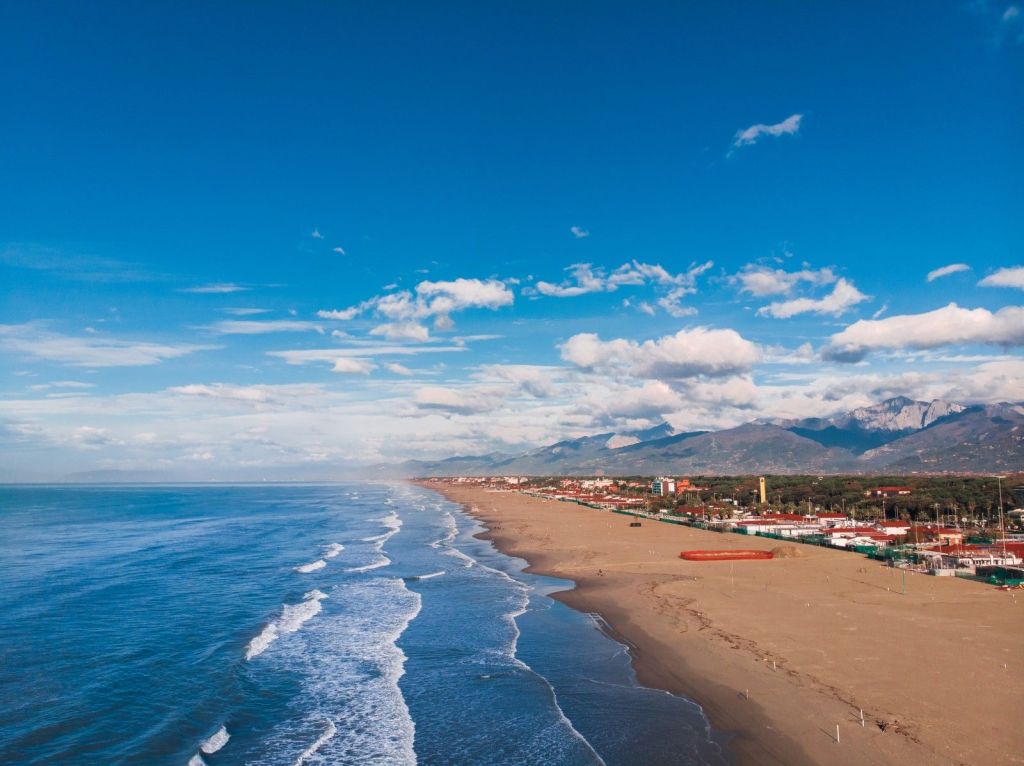
Yesterday evening we arrived in Viareggio, a coastal resort town in Tuscany, half an hour’s drive north west from Pisa. Established in the 16th Century, it has a population of about 60,000 and is famous for its annual carnival. The views here across the Alps are spectacular, and the huge sandy beach rugged and wild. Having spent a while on the Ligurian coast punctuated by well-manicured medieval villages, tiny beaches, dense woodland and precipitous cliffs, it was a welcome change of terrain.
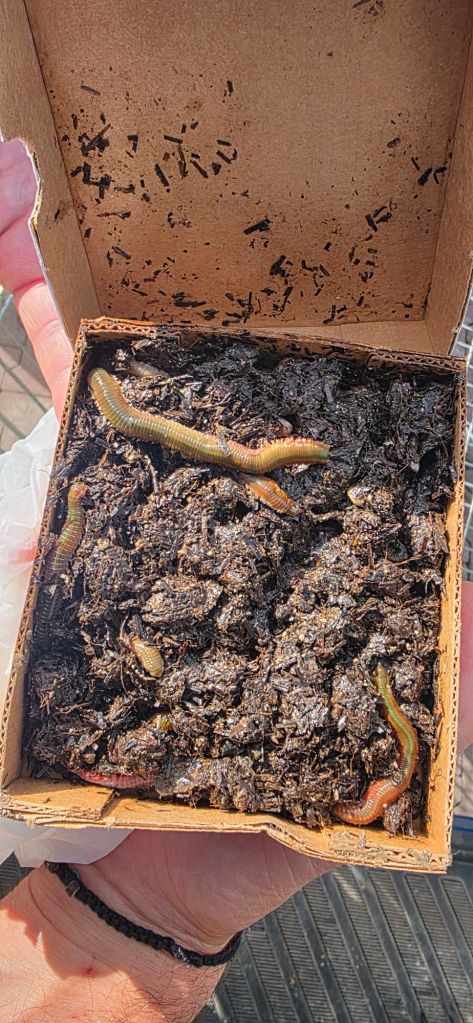
Jem has applied for his local fishing permit and went to the local suppliers for some bait, expecting a tub of pellets. The shop owner insisted that live Korean lugworms were the only possible option, and now we are flat sharing with these wretched wriggling beasties. They are indestructible and still alive after Jem put them in the freezer section of the fridge by mistake for two days. Who would be a fisherman!! 🤢
 is there poodle in my noodle
Leave a comment