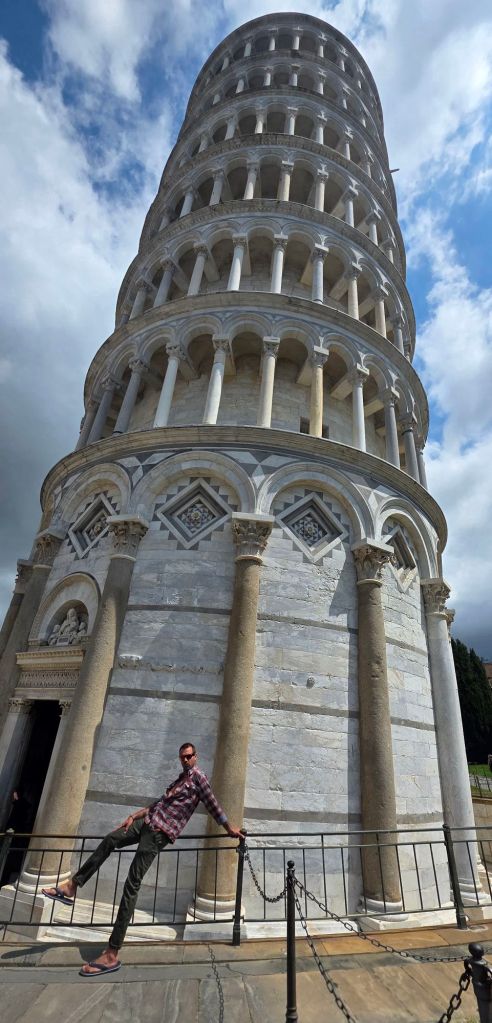
On our way down south from the Apuan Alps we dropped into Pisa, the very definition of a ‘one and done’ tourist spot. The university city is tiny with just 95,000 residents, and the (free) tourist attractions include a cathedral, and viewing the tower from outside, which by itself was worth a gander for an hour.
The tower began to lean during construction in the 12th century after some bright spark decided to build it on a bed of clay which could not support its weight. The lean worsened through the completion of construction in the 14th century. By 1990, the tilt had reached 5.5 degrees and remedial work since has rectified the angle somewhat.
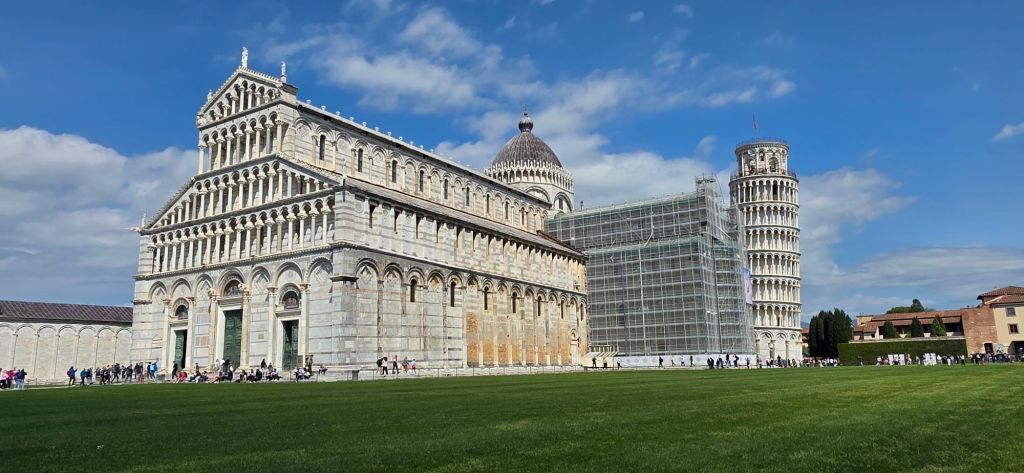
The other free attraction, the cathedral, embodied all the worst of Catholic excesses and we are sure Jesus would not have approved of this ostentatious pile.
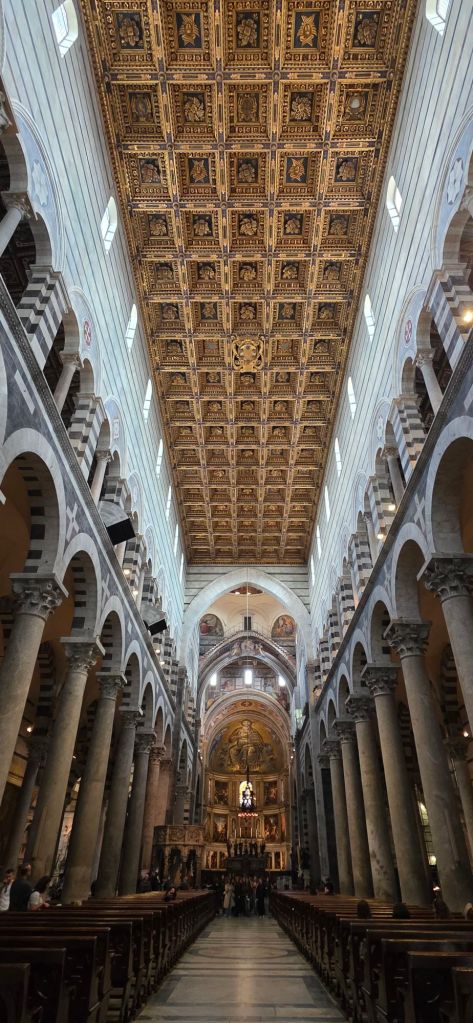
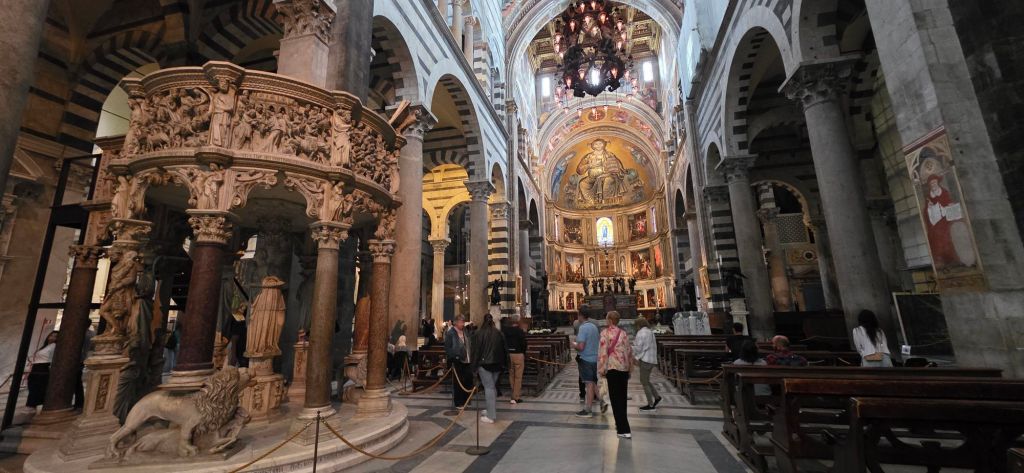
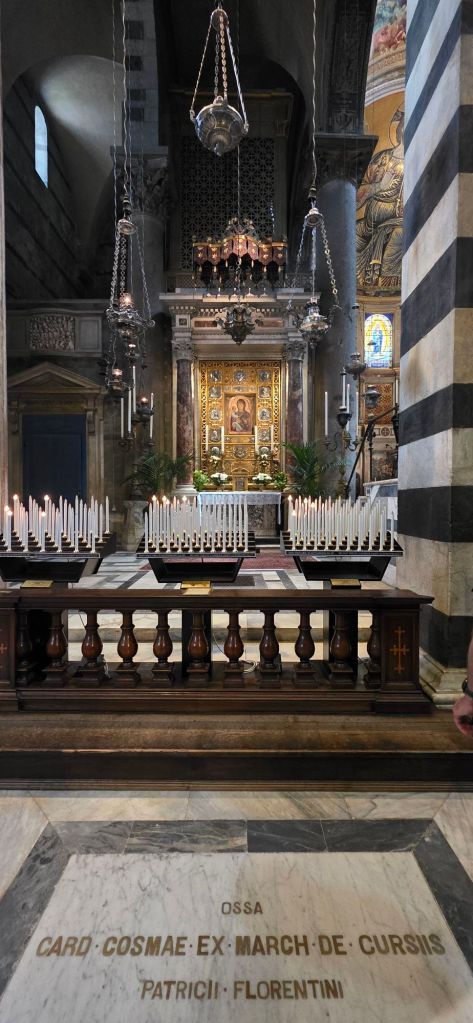
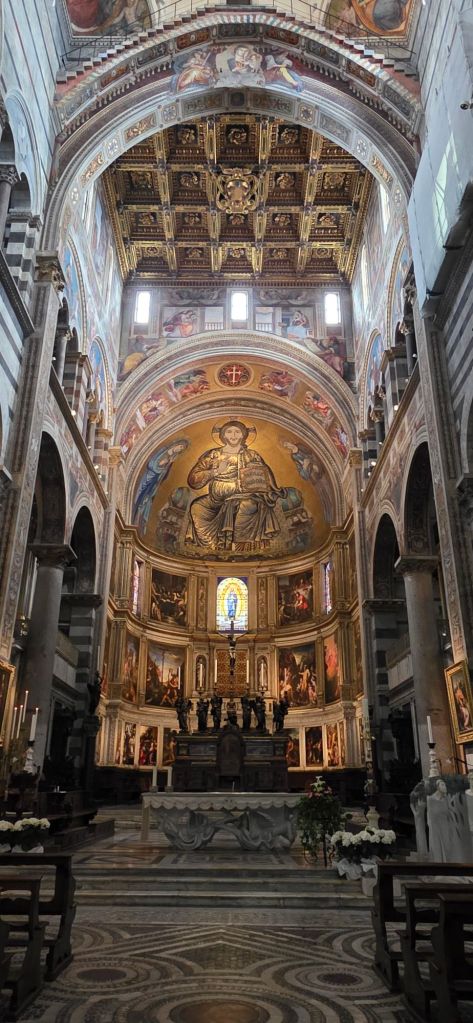
The marble used in these constructions was excavated from the Apuan Alps, behind a town called Carrara, and is thus named Carrara Marble. The quarries have been in use for more than 2,000 years and are arguably the most famous in the world, often referred to as the ‘White Gold of Italy’. The marble is exported worldwide, with 50 per cent going to China.
The primary reason for the marble’s celebrity is Michelangelo, who personally traveled to these quarries to hand-select blocks for his masterpieces, including the David and the Pietà. He believed the marble was so pure it “contained” the statues within, and he just had to set them free.
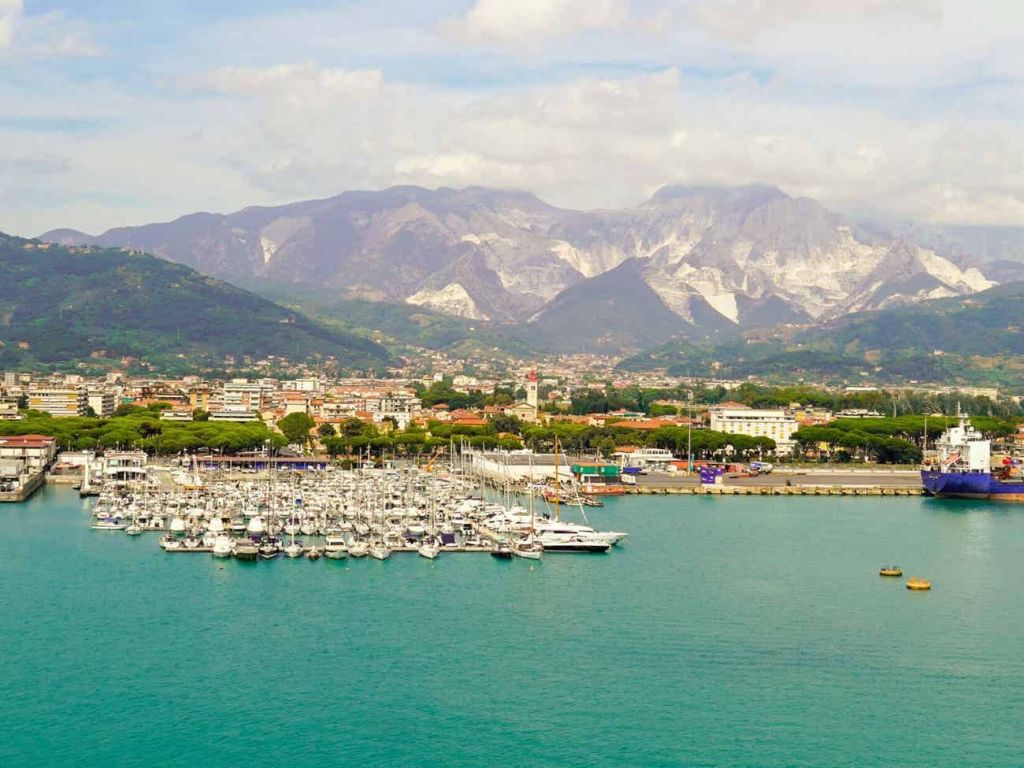
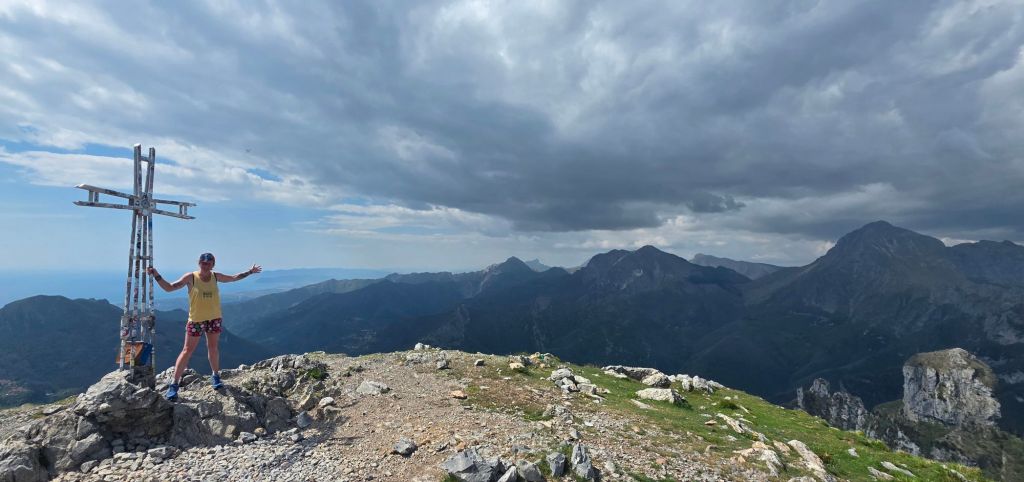
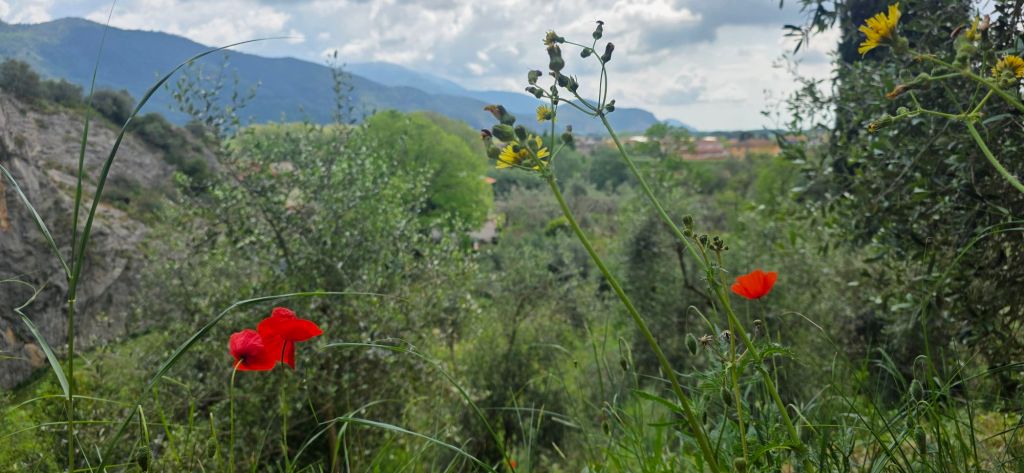
The Apuan Alps include 250 named mountains that offer walking, climbing, mountains biking and via ferrata. Access is via wiggly windy mountain roads which, while exciting, are significantly less high-octane than previous offerings.
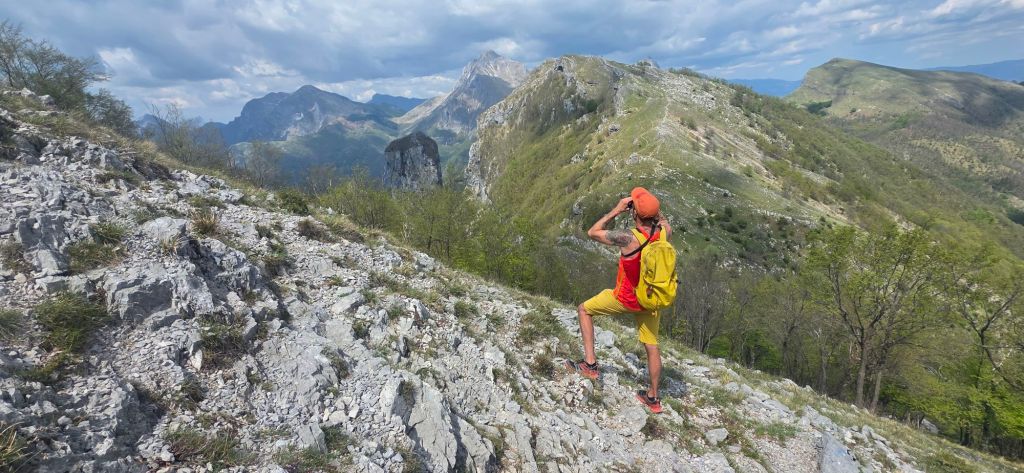
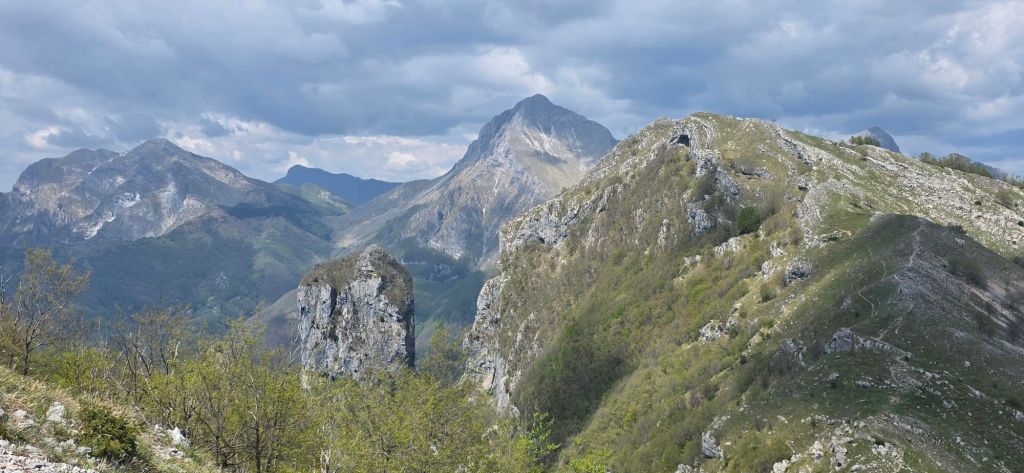
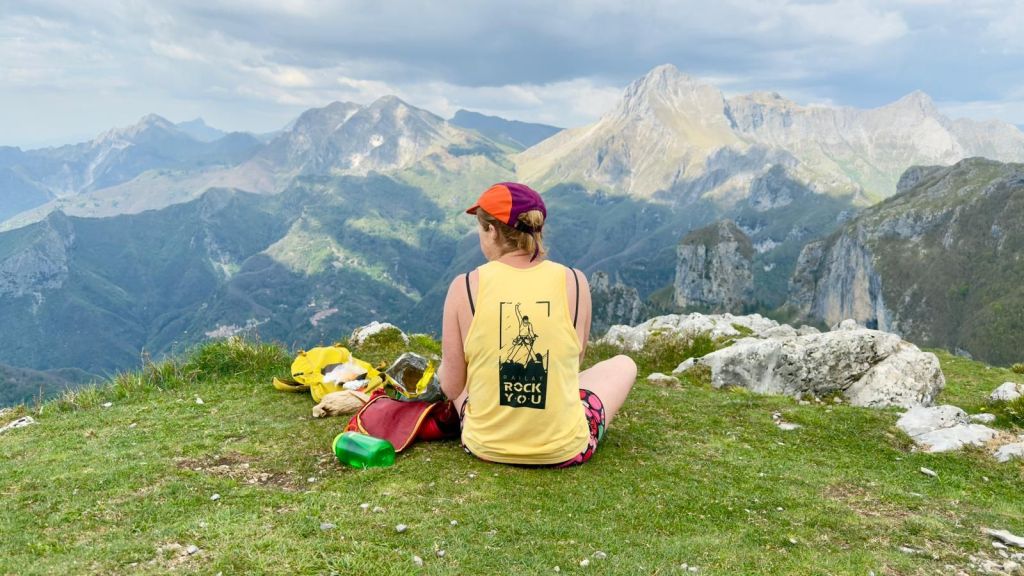
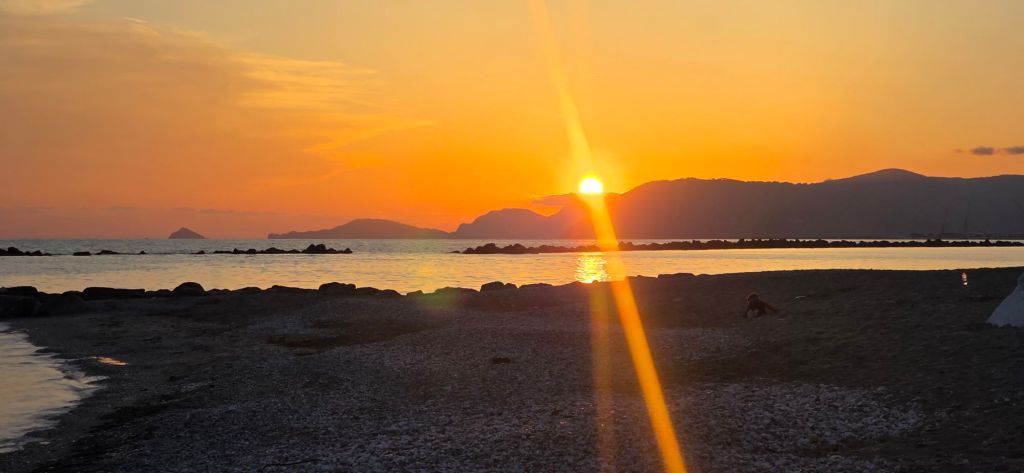
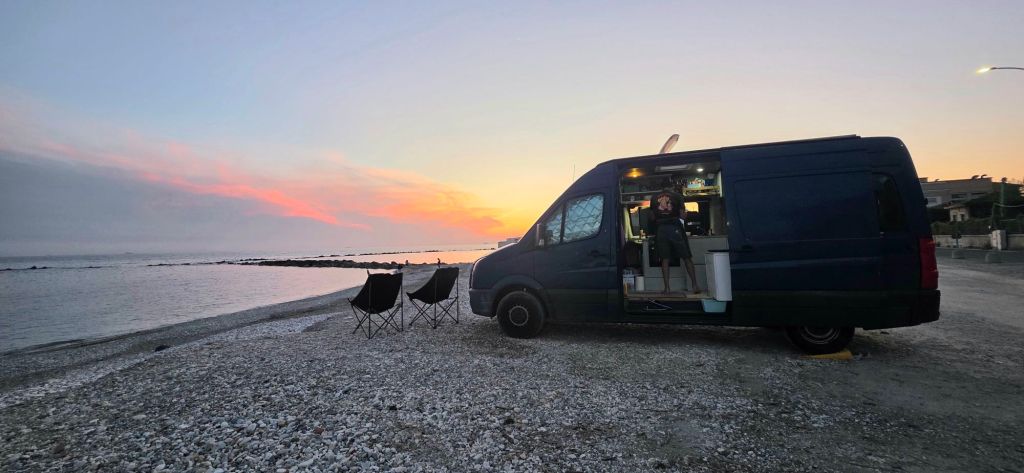
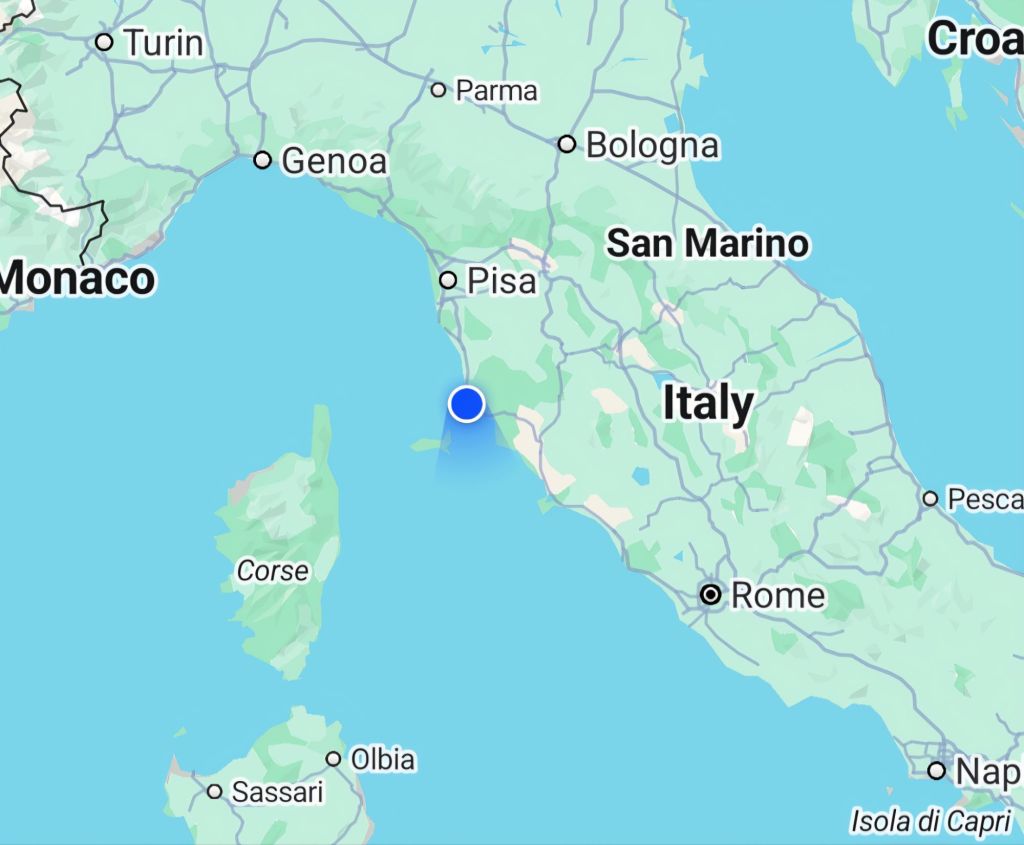
The northwest corner of Tuscany has treated us well; long sandy beaches (which are almost certainly at their best in off-season), the historic towns of Massa and Viareggio, beautiful shoreline park-ups, and access into the dramatic mountainscape.
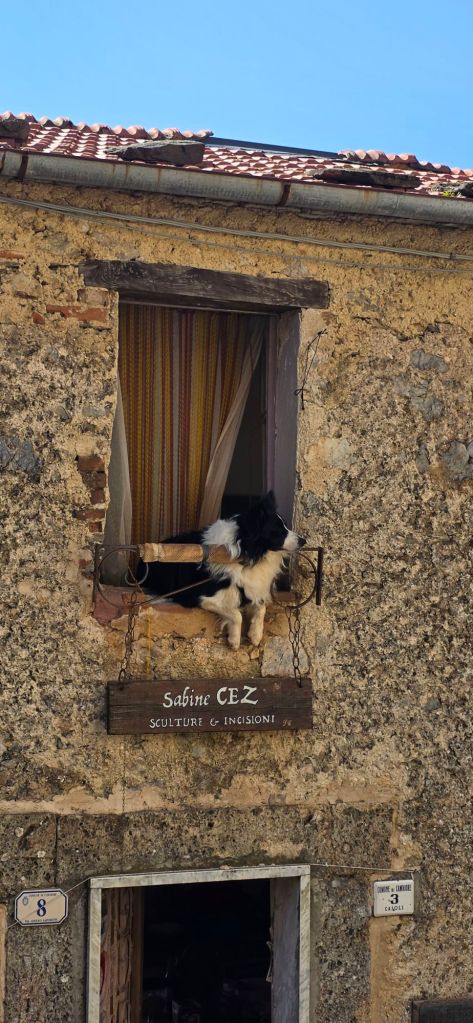
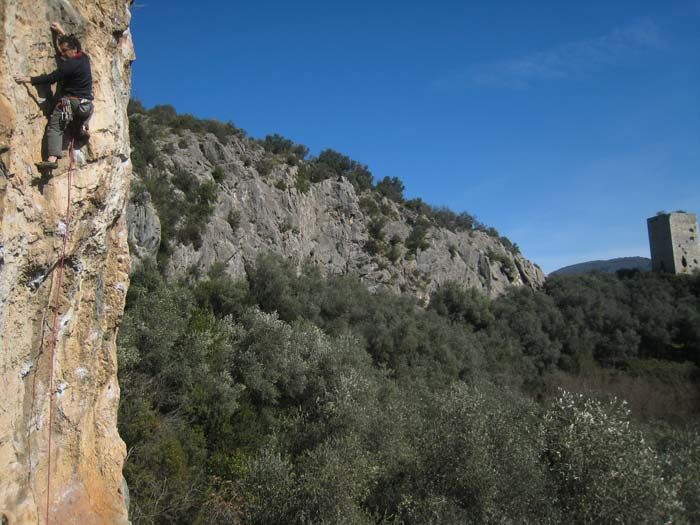
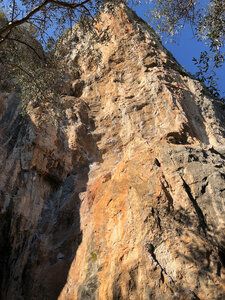
Just down the road towards Pisa sits an awesome crag called Vecchiano, with hundreds of sport climbing routes in all grades. (The below images are lifted from a climbing website.)
Many hours spent on the Italian roads now, and we still haven’t acclimatised to the aggressive indicator-shy motorists who use roundabouts as racetracks and deem it ok to drive their micro-cars on the wrong side of the road on mountain passes. Maybe we would fit in better if we let the lugworms drive and we sat in the back with blindfolds on. The lugworms, meanwhile, are still chilling in the fridge patiently as we can’t bring ourselves to feed them to the fish. The Internet tells us it would be bad form to release an invasive species into the wild, so I guess they are here to stay.
For the next few days we are hanging out at Jem’s favourite genre of campsite, where he is currently knitting one and pearling one, with just a ball of wool preserving his modesty.
 is there poodle in my noodle
Leave a comment