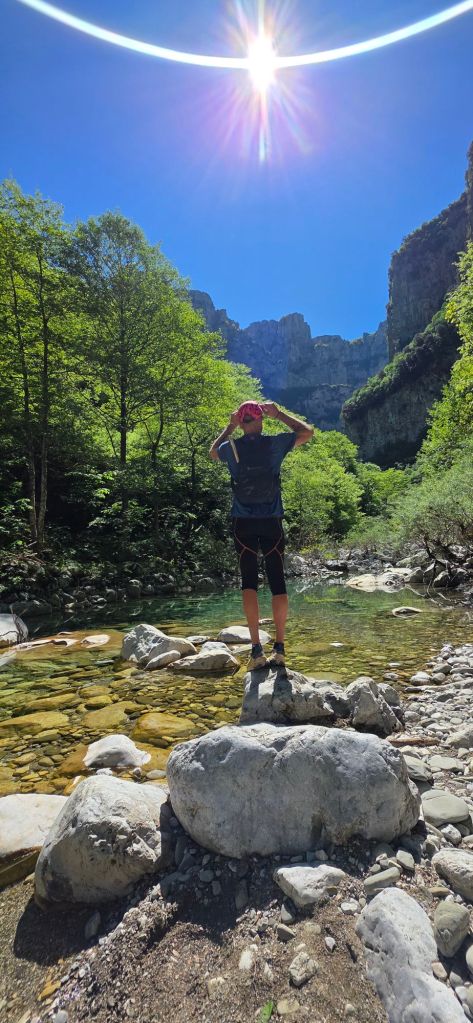
• The Vikos Gorge has been on my bucket list for years; a dramatic slice through the mountains of more than a kilometre in depth, with a running trail romping straight through it. More on that later

    ‘Kalimera’ from Kourouta in Greece, about half way down the southern section known as the Peloponnese.
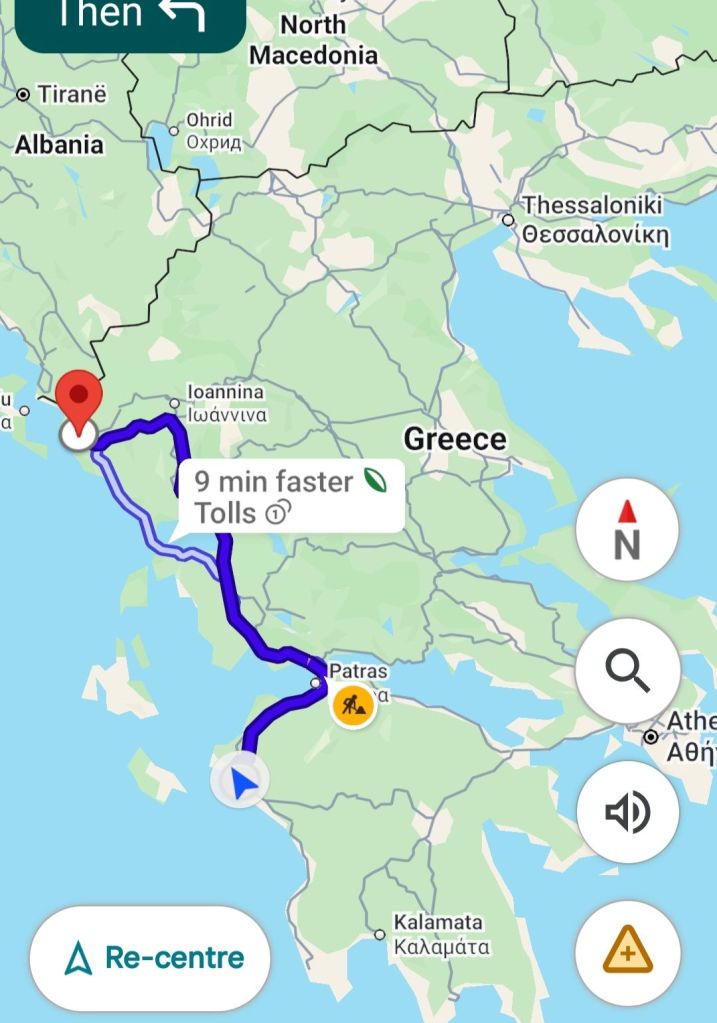
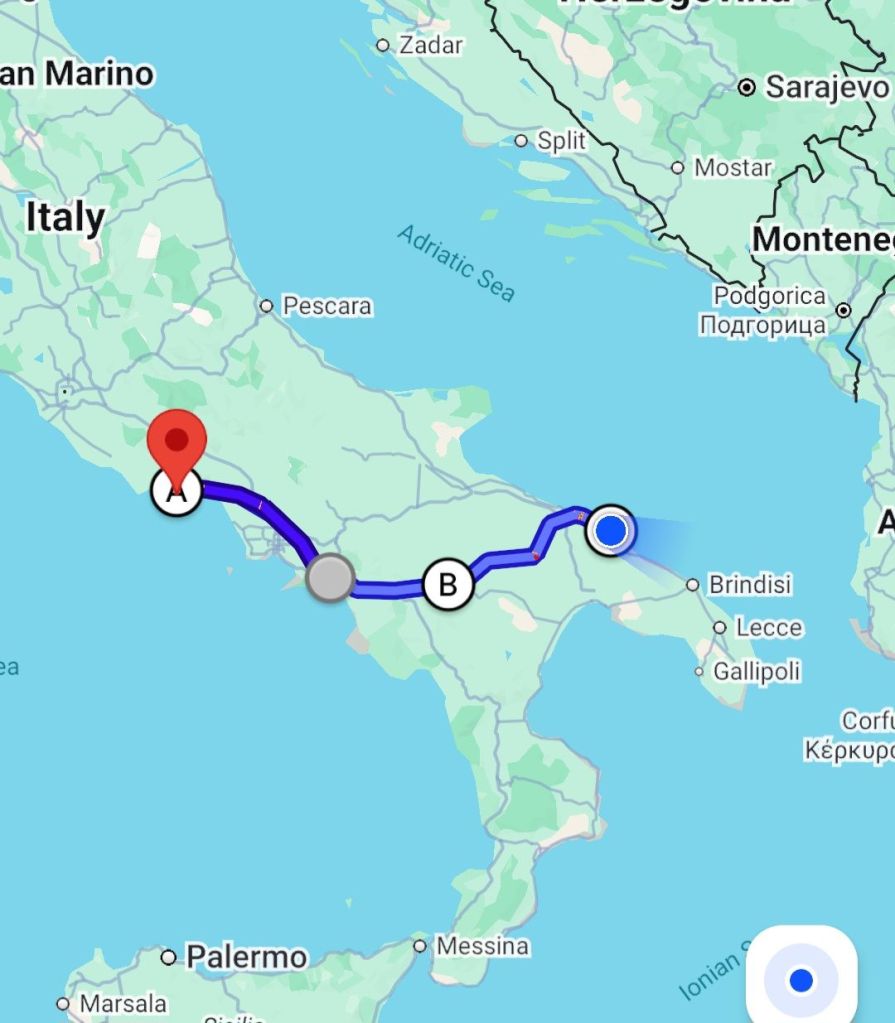
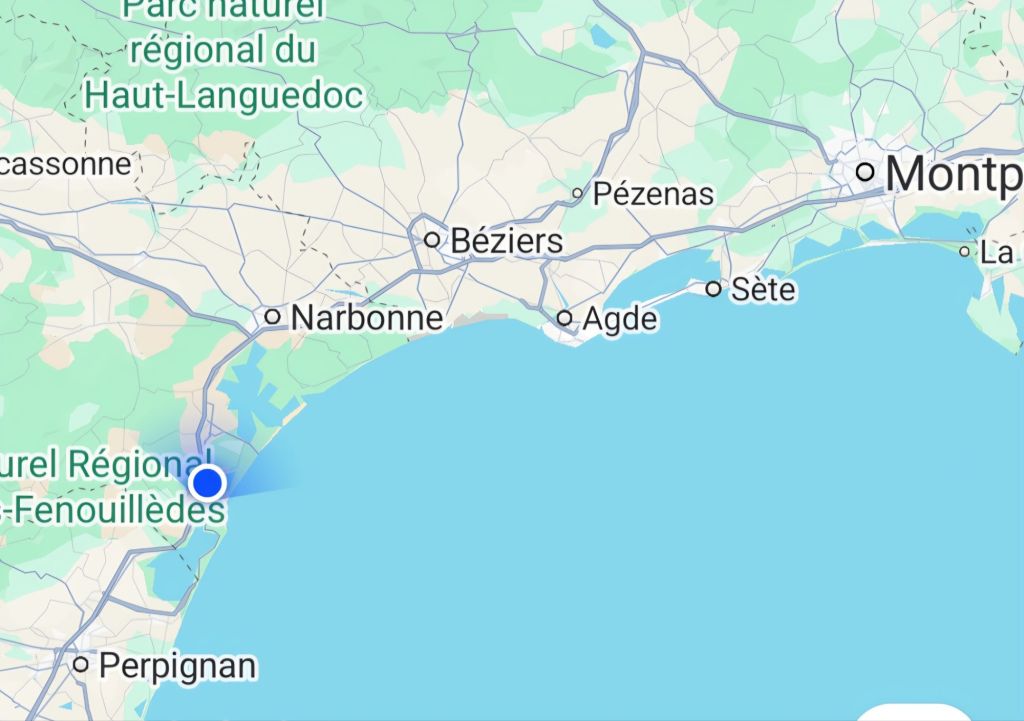
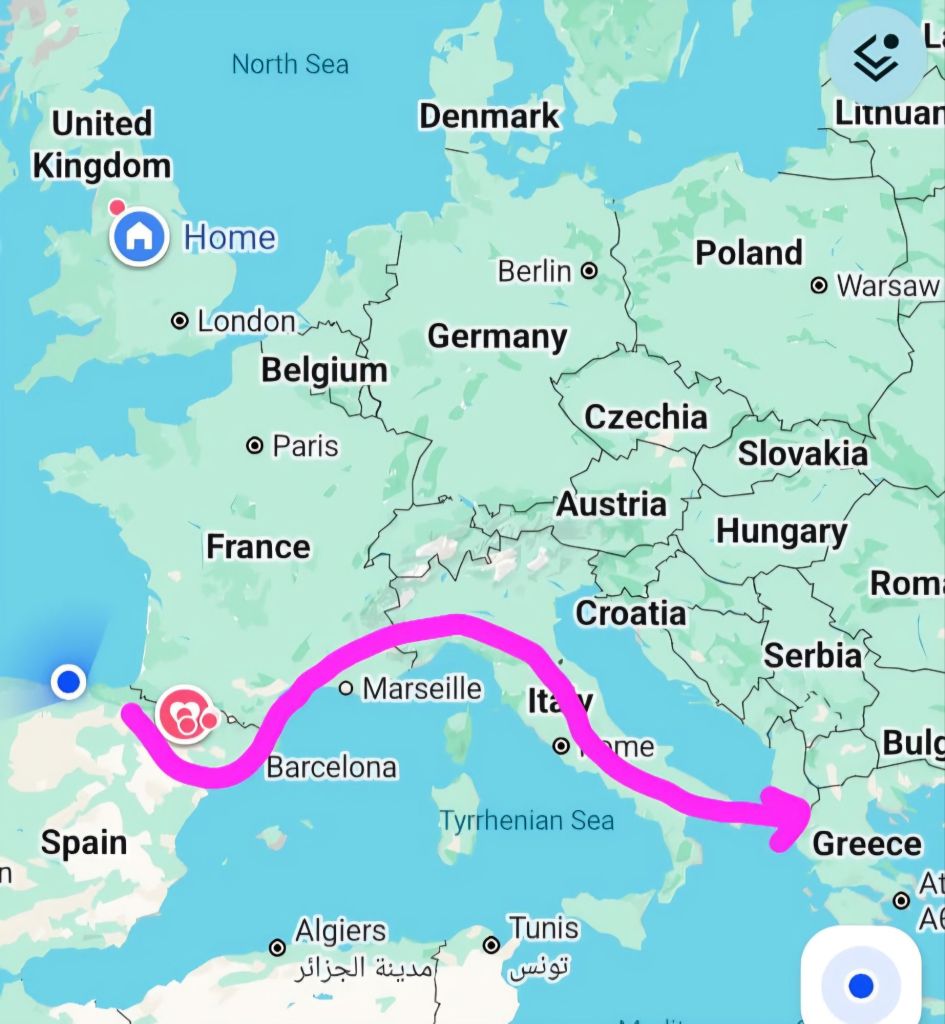
    This was our rough route down, which involved getting absolutely rinsed by the tolls on Greece’s fancy new motorways (almost £100!)

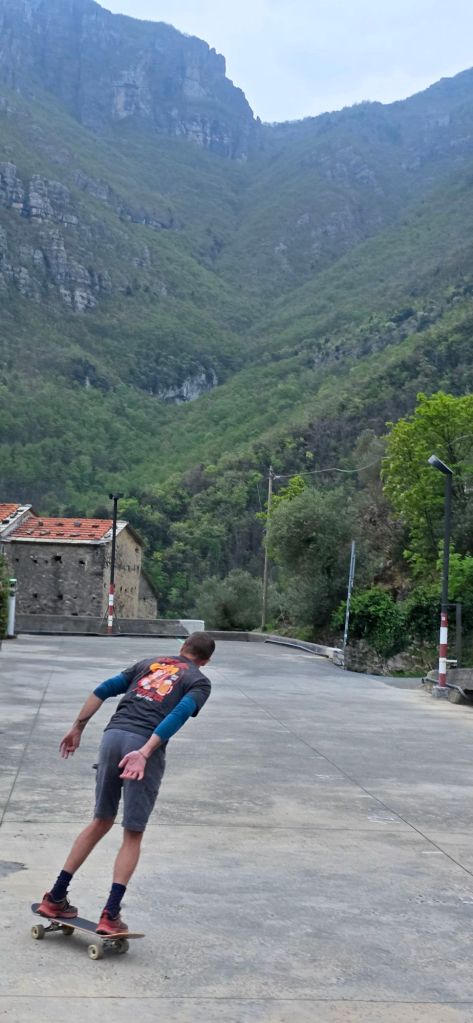
    We are having a few chill days by the sea having both put our backs out from extreme sports 👀 Jem’s skateboarding injuries are quite cool, while mine – well, I pulled a muscle by my tailbone during an 8-hour crochet marathon. Ahem.

    Our first stop in Greece was the alternative town Ioanina (which you can see on the map), one hour’s drive east from the port. The town, flanked by Pamvotis Lake and 2,000m snow-capped peaks on its south side, was abuzz with cool shops and an alt political contingent, with young people campaigning on the street to end Palestinian oppression.
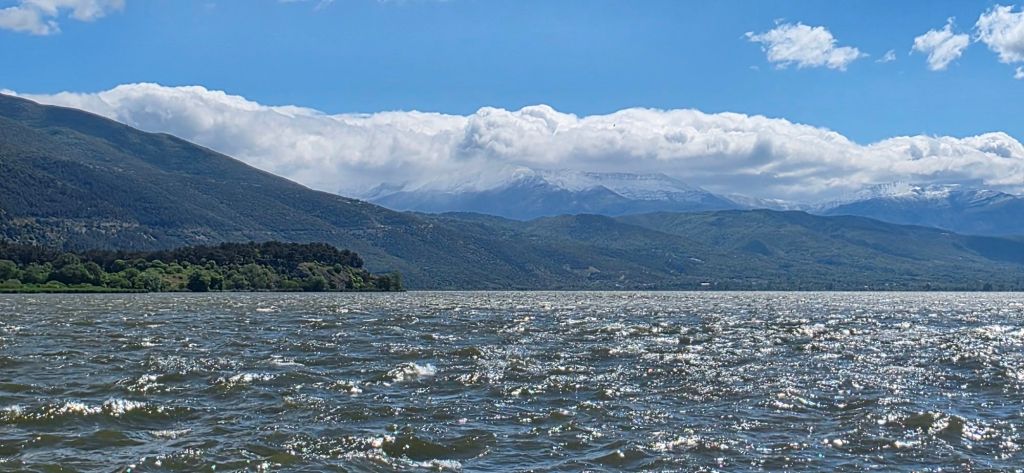
    A view of the mountains over the lake
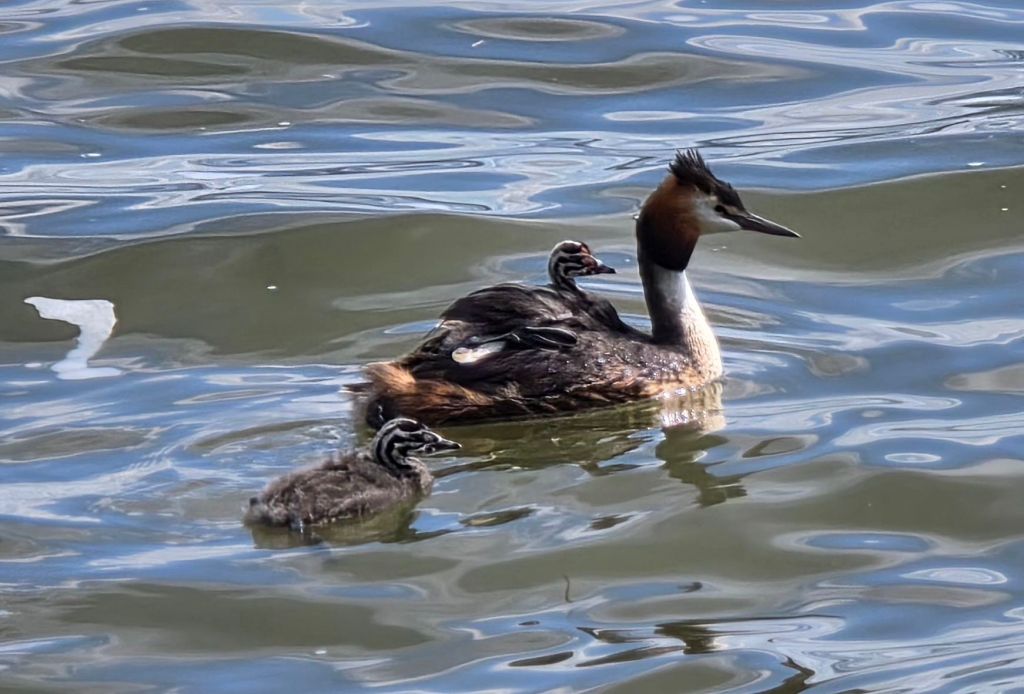
    A Great Crested Grebe and her grebelets ❤️

    A Byzantine settlement dating back to the 6th Century, the town had an ancient acropolis – a hilltop citadel – and an excellent line in the Greek delicacy Gyros.
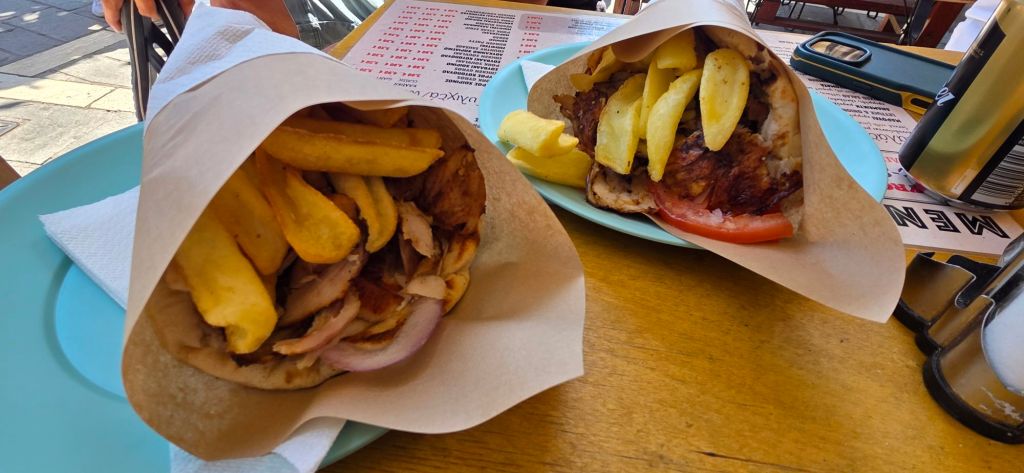
    Gyros (pronounced yeer-rhos) is a conical dish; pita wrap around chicken or pork doner meat, chips, salad and tzatziki 😋

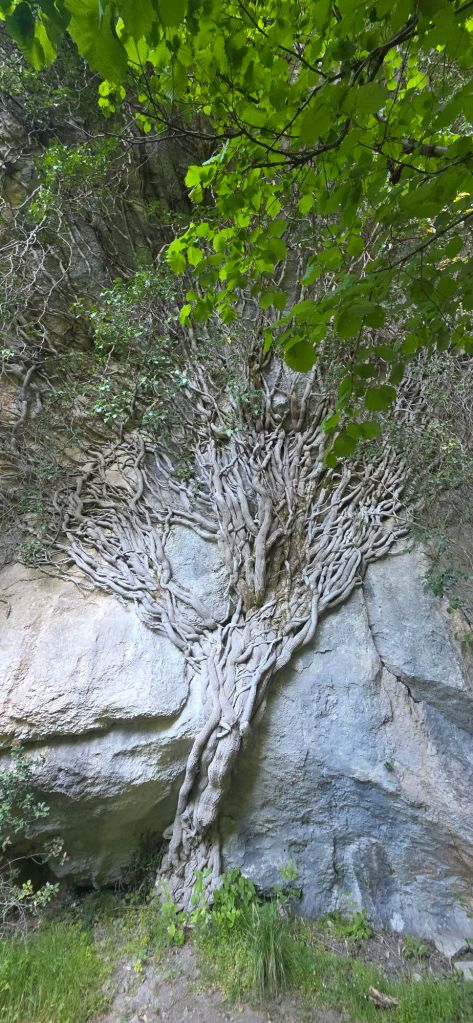
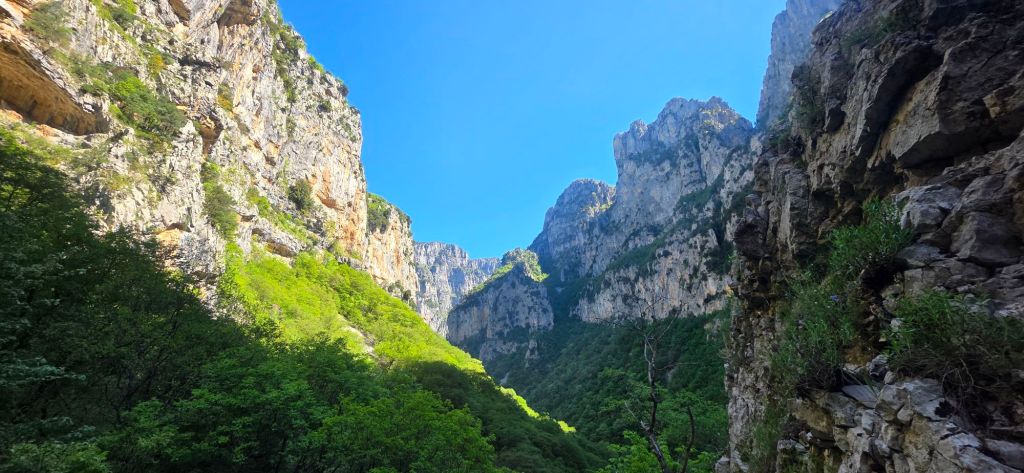
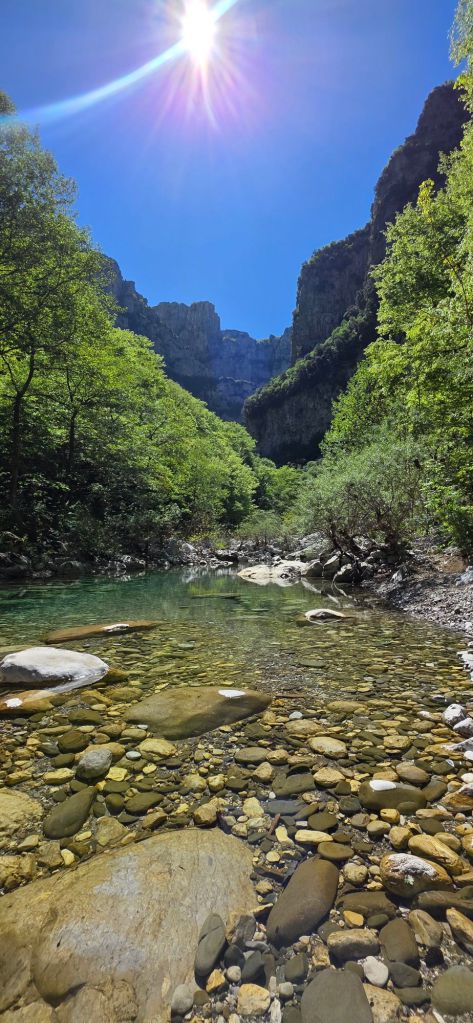
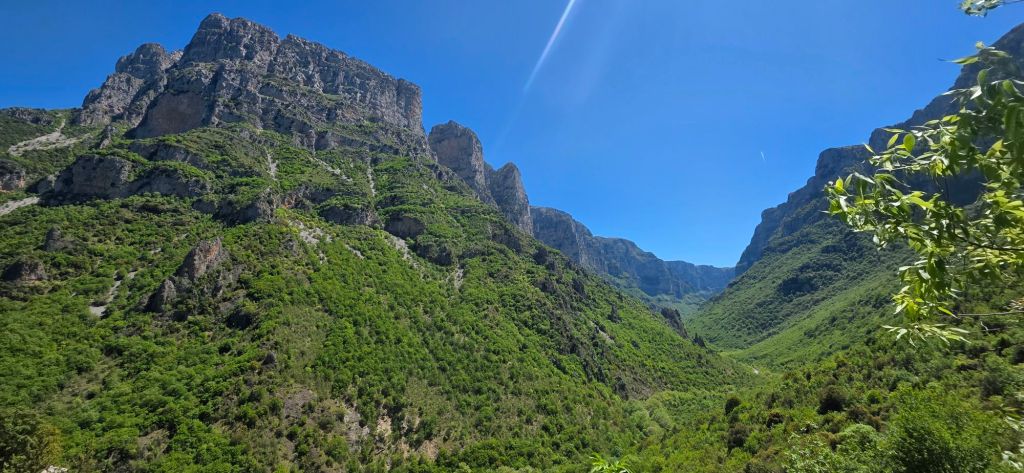
    An hour’s drive east into the Pindus Mountains sits the Vikos Gorge. Known as one of the world’s deepest gorges relative to its width, it stretches about 12 km in length, with depths ranging from 600 to 1,200 meters.
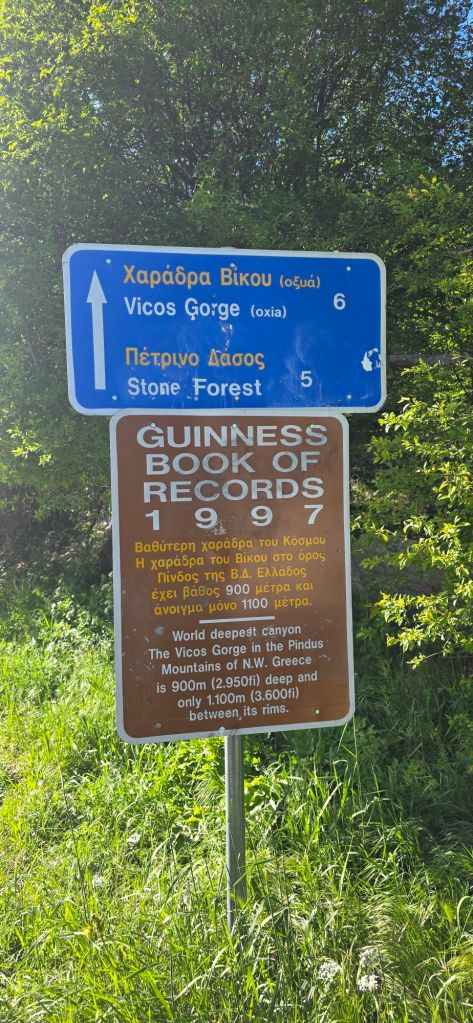
    🤔 false advertising….
    research reveals that the deepest gorge is in fact the Yarlung Tsangpo Grand Canyon in Tibet, with a depth of more than 6,000m. The Vikos Gorge is nevertheless a stunning natural wonder

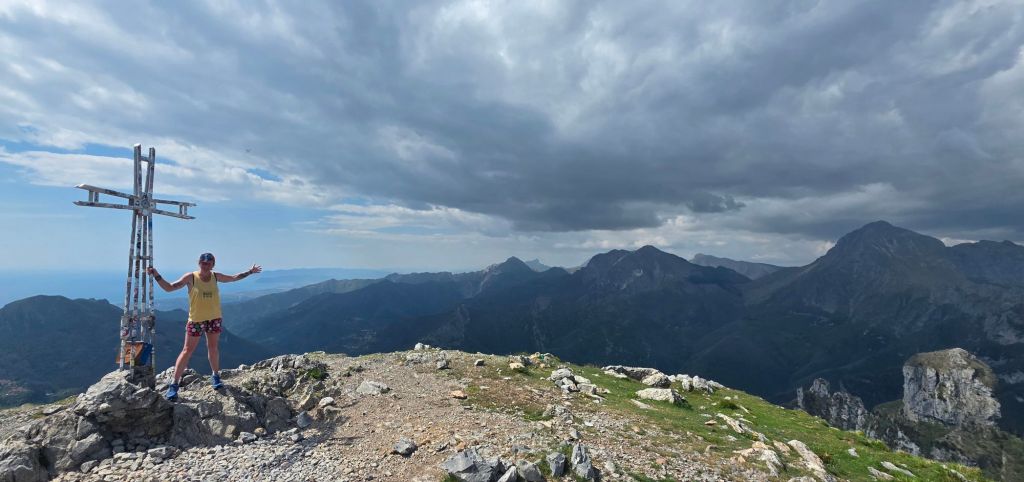
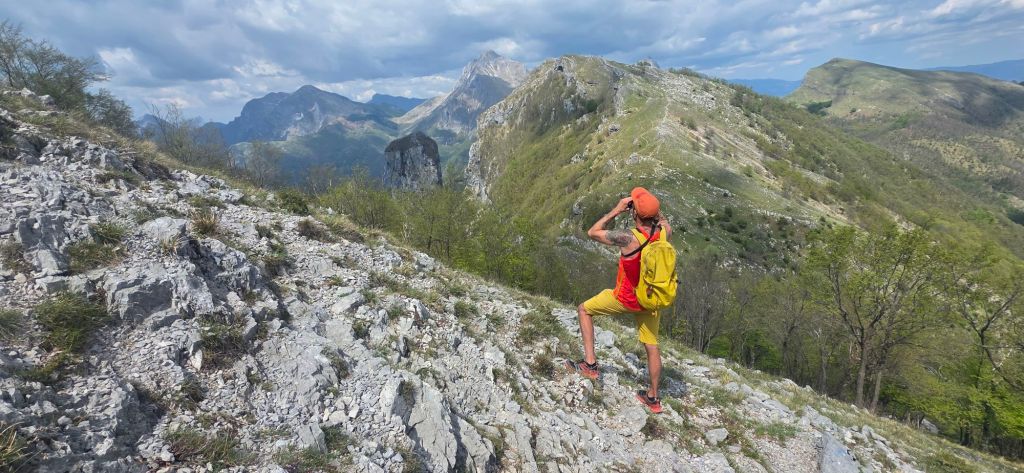
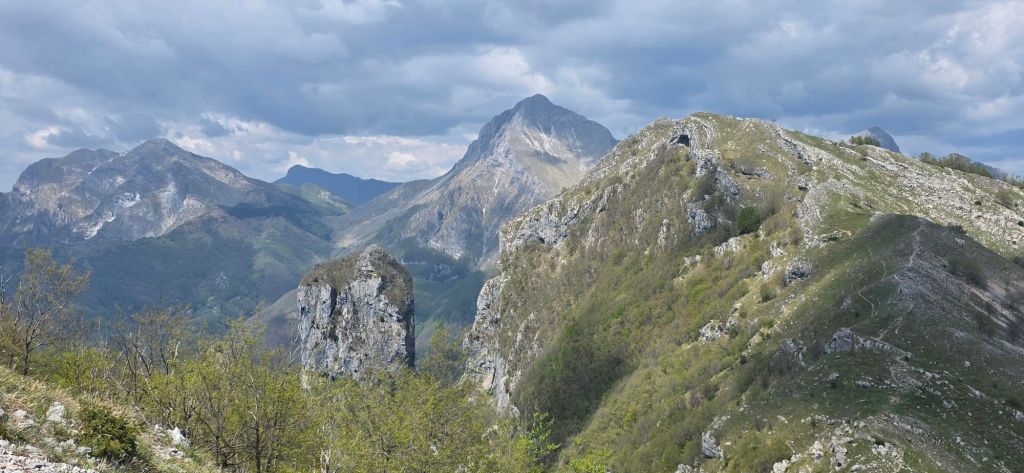
    The UNESCO World Heritage Site did not disappoint, and we trotted off on an 18-mile circular run taking in the gorge and a 1,600m peak on our return.
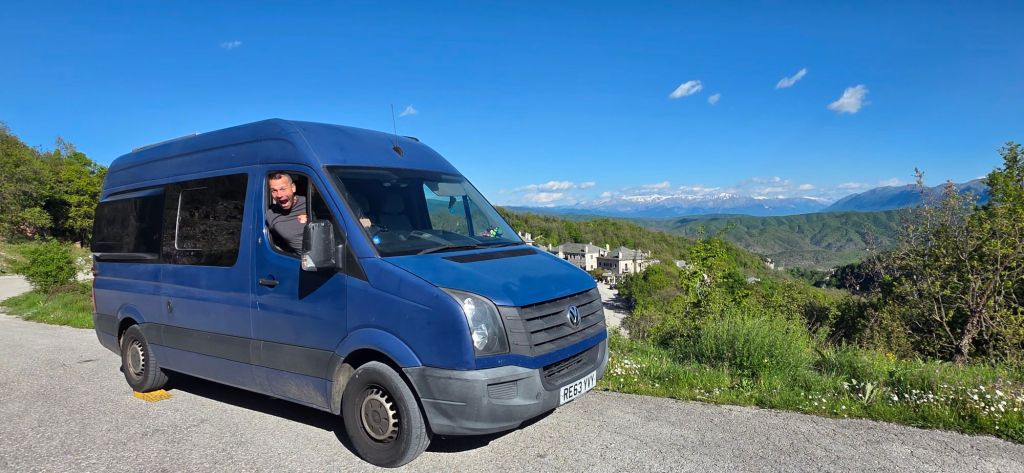
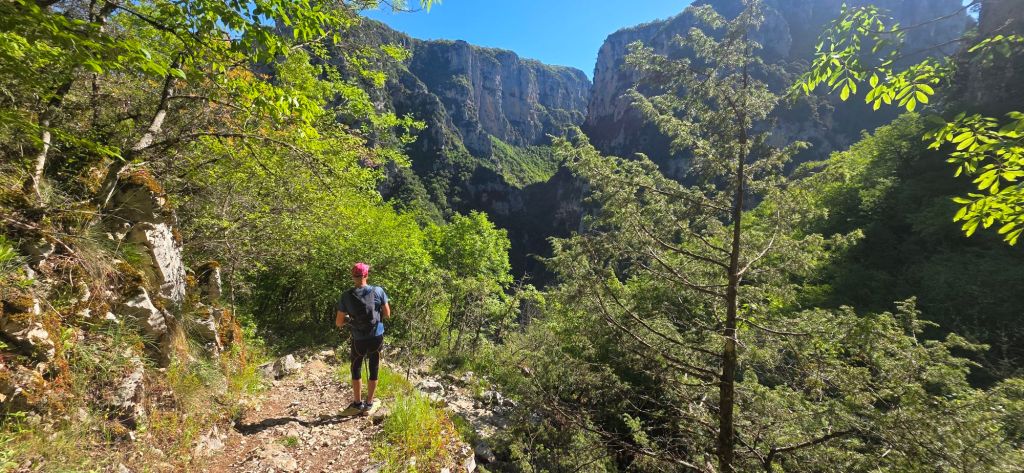
    Cracking park-up spot overlooking the Pindus Mountain Range
    Off we gooooo
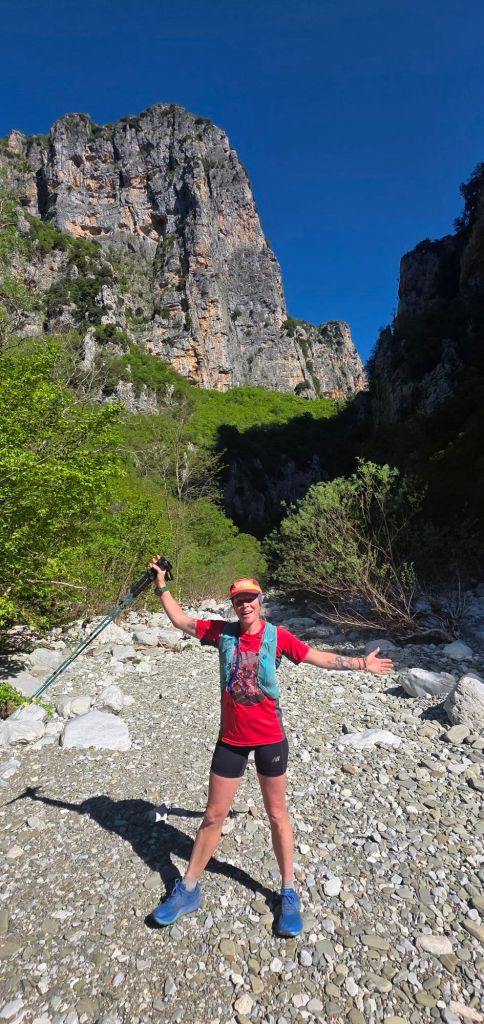
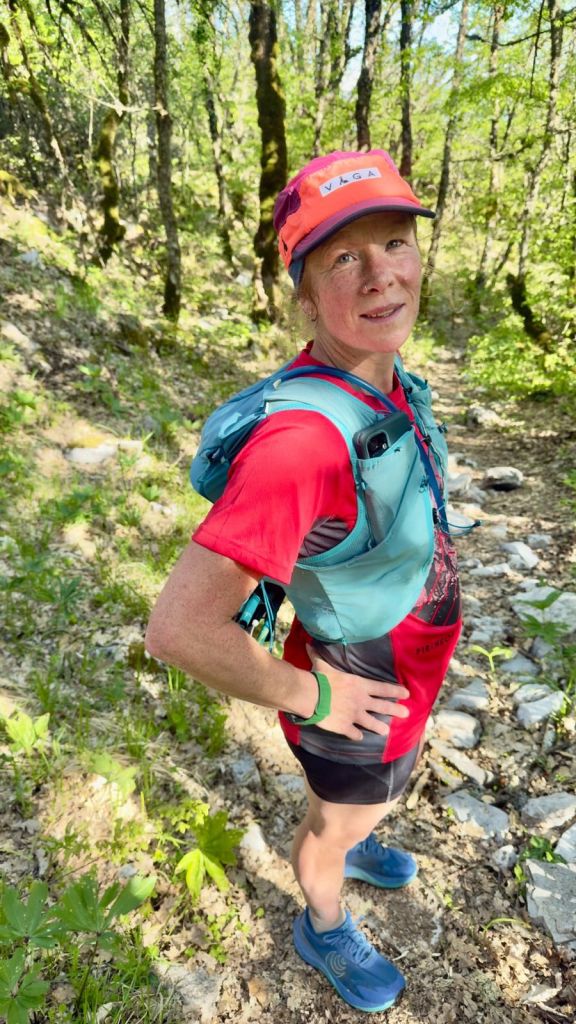
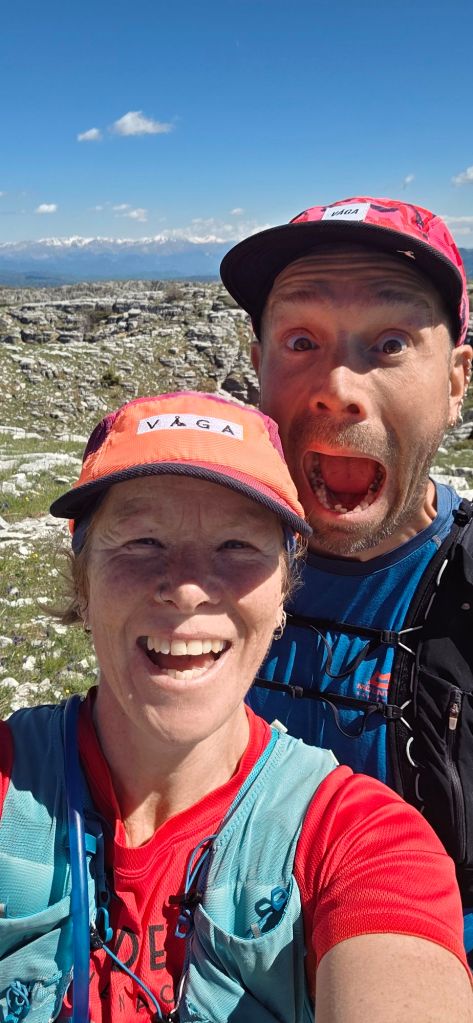
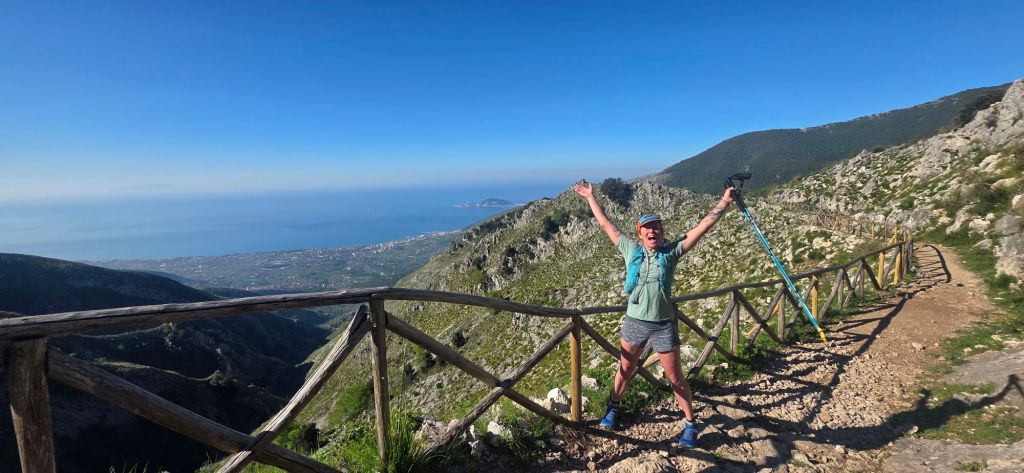
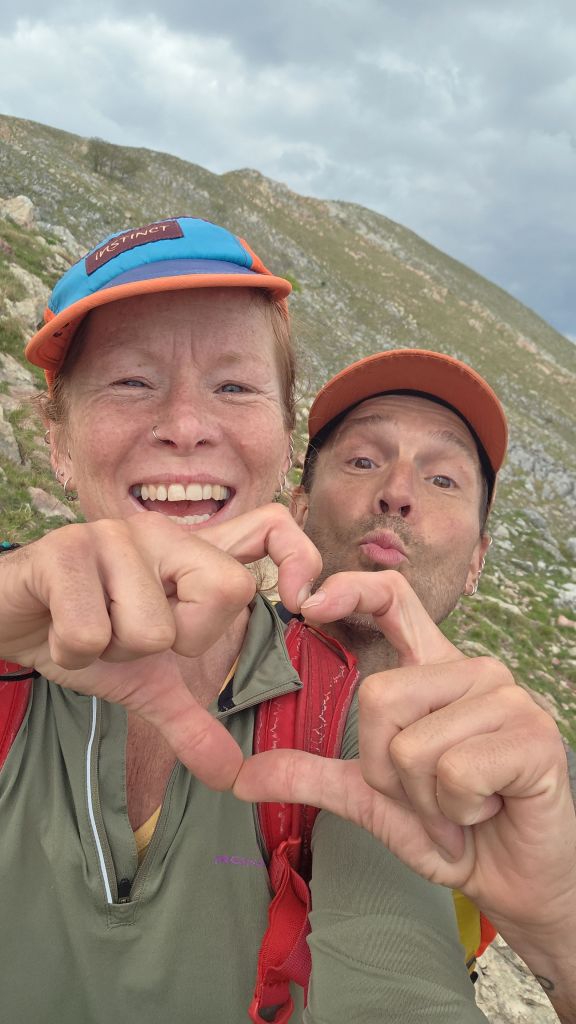
    So happy!! Best running ever
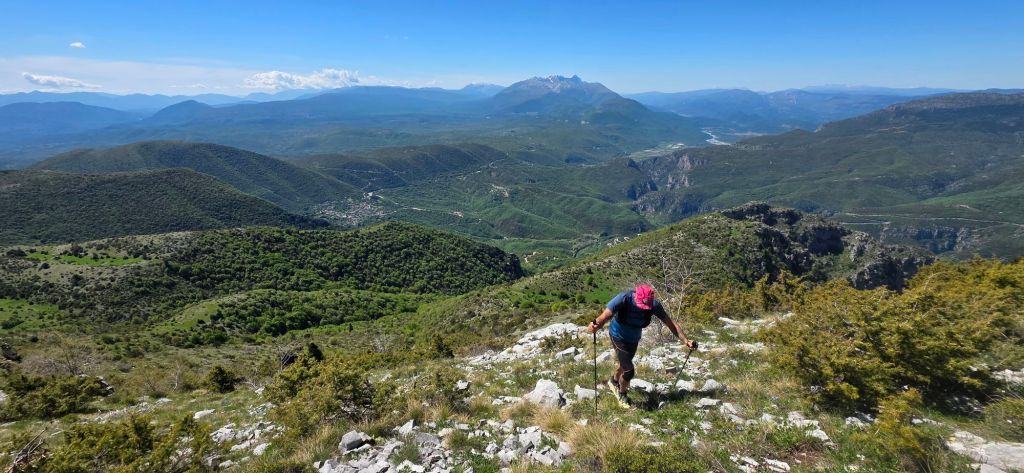
    And up the mountain we quest. Greek ‘footpaths’ often involve wading knee-deep through gorse and climbing over boulders, also involving an unusual sense of humour malfunction from Jem 😂

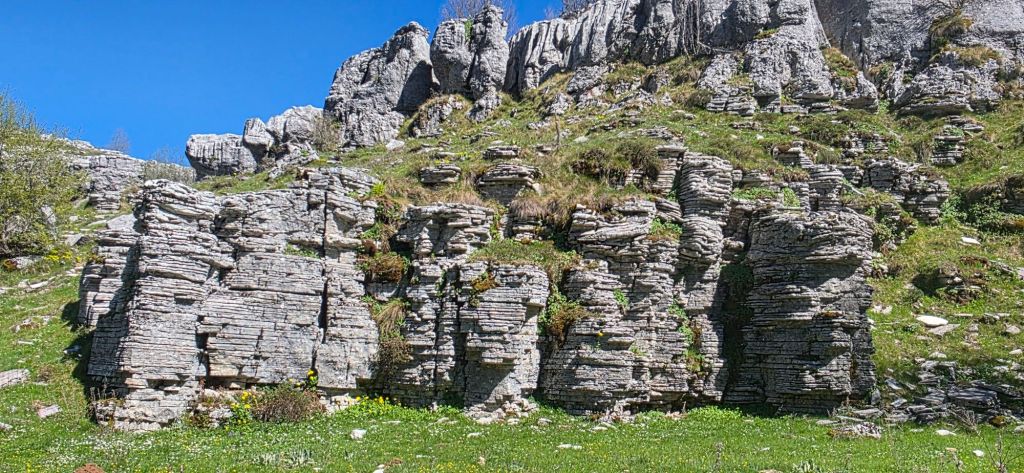
    On our return we passed by the geological oddity the ‘stone forest’. Unique to this area, this distinctive ‘pancake’ layered rock is limestone, formed millions of years ago at the bottom of a shallow sea. Over time, the accumulation of marine sediments and organic matter created horizontal slabs.
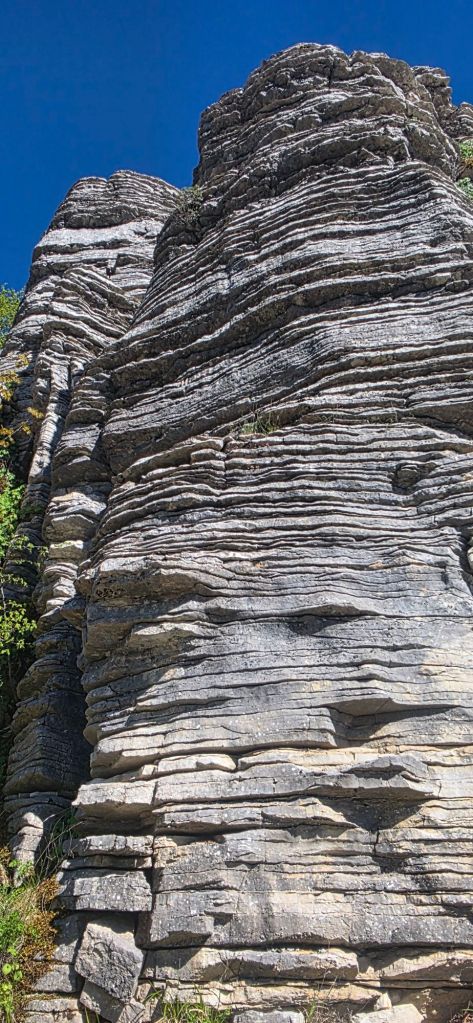
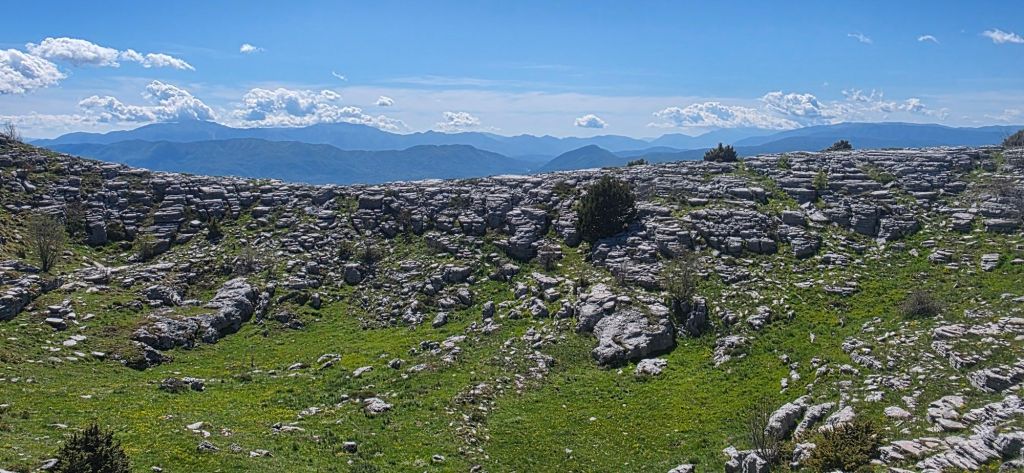
    The pancake effect is the result of weathering by rainwater and wind, which erode the softer layers of the rock more quickly than the harder ones, leaving behind the jagged, stacked appearance
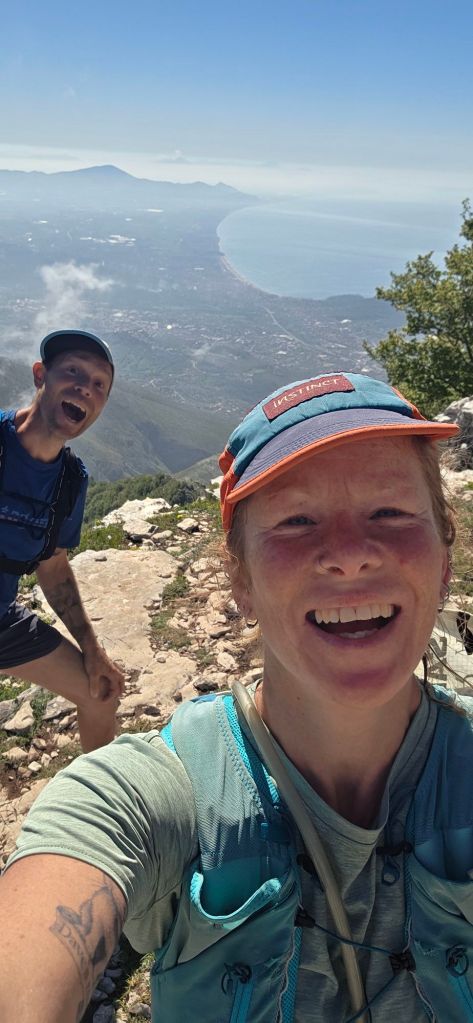
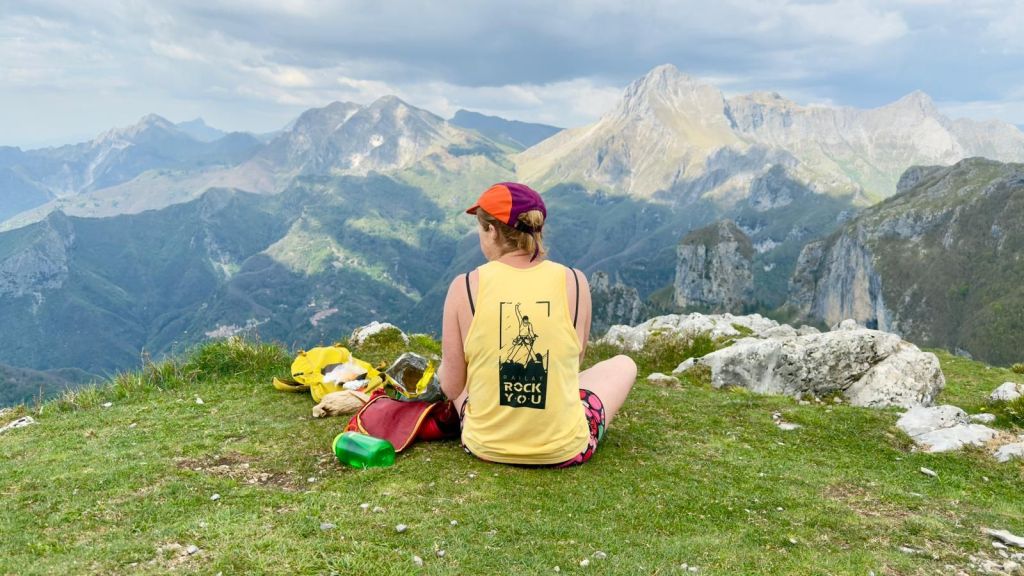
    View from the peak
    Wooooo we got to the summit
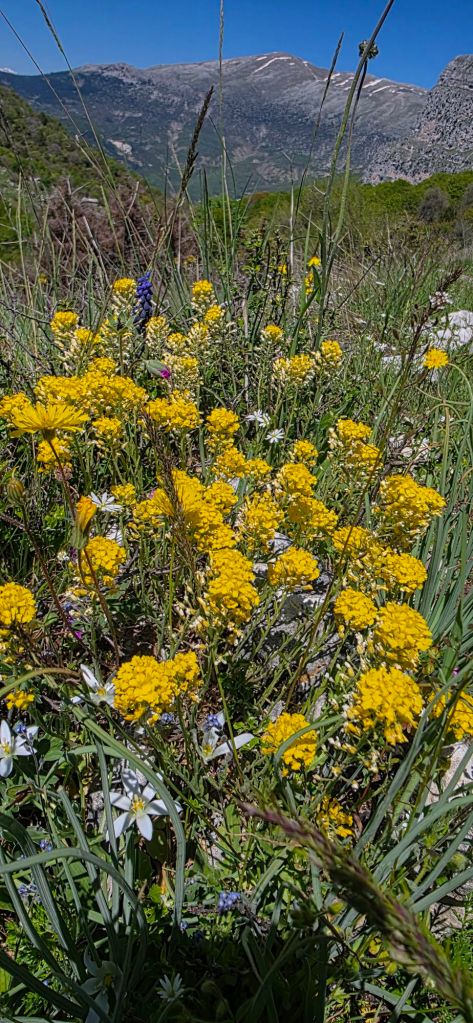
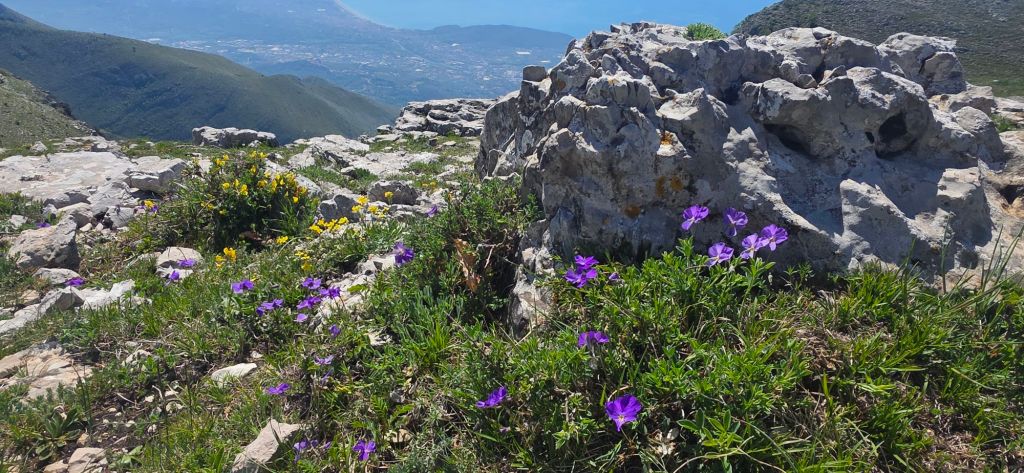
    Flowers were out in bloom. This is Yellow Alyssum
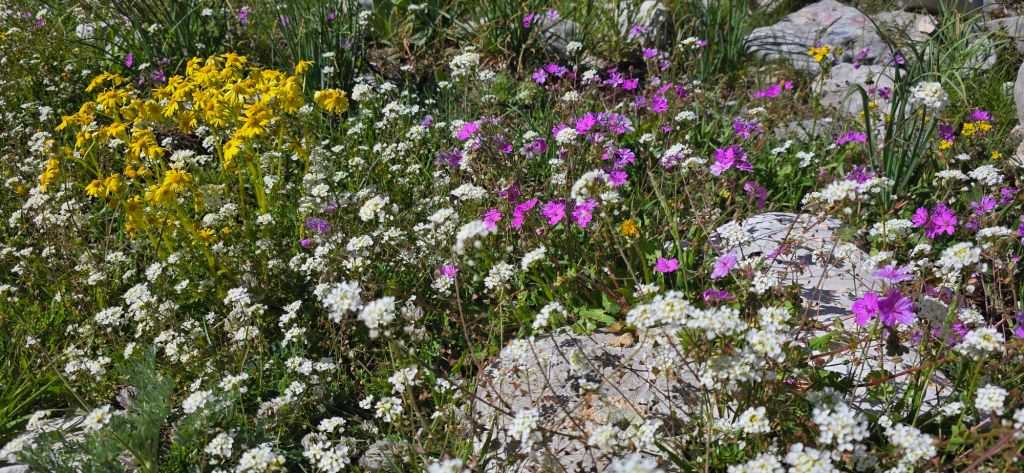
    Golden Ragwort and Cranebills
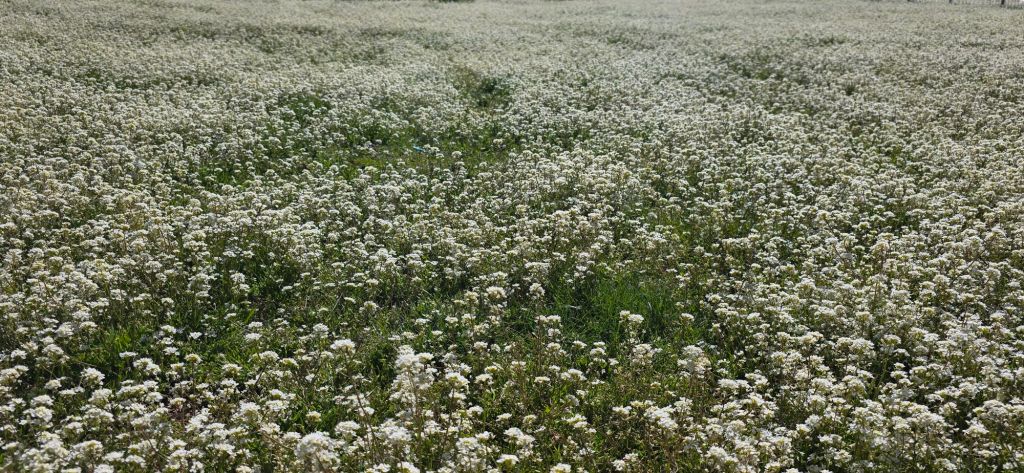
    A meadow of Candytuft. Glorious!

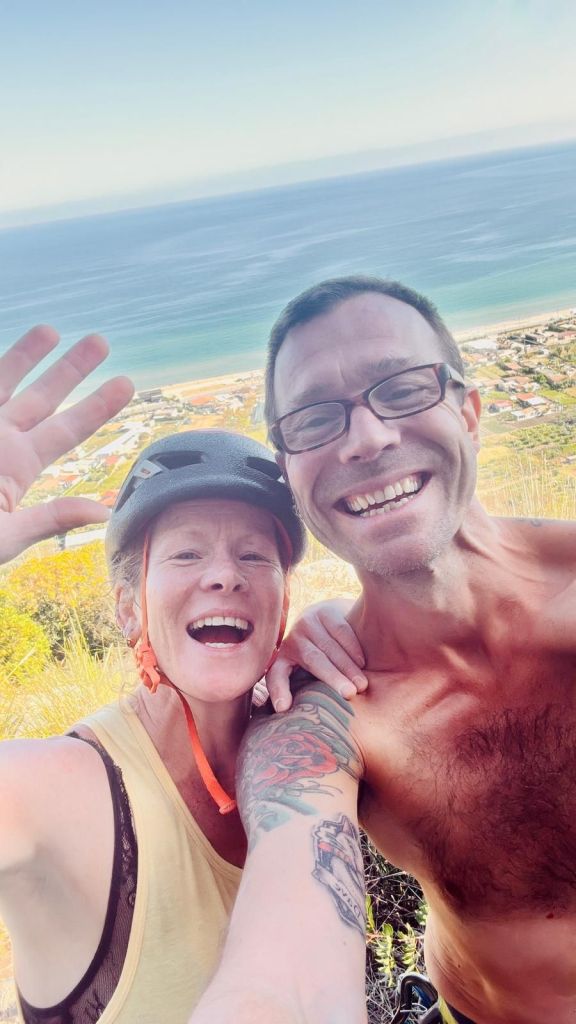
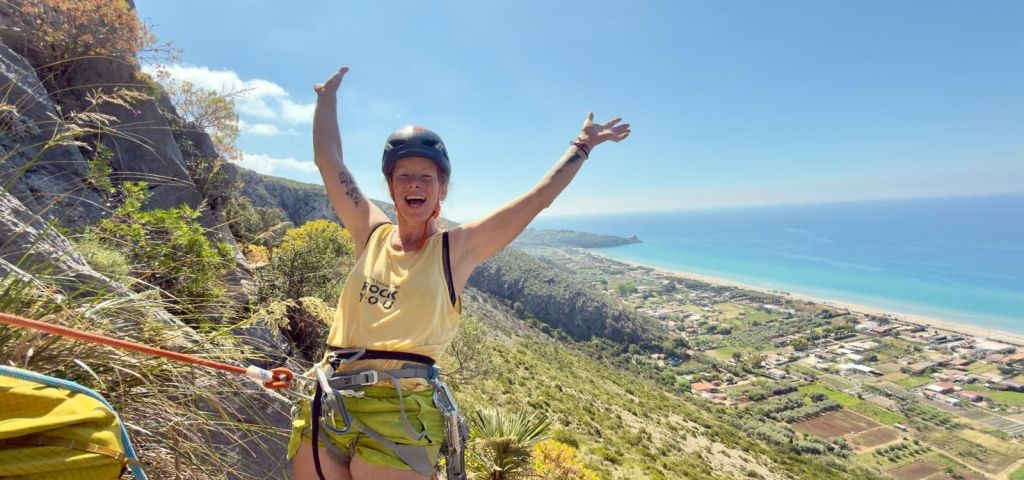
    On our journey south we frequented the birthplace of Greek climbing, Varasova, and awarded it 2/5. The climbing was just ok, but a great place if you like swimming through mosquitos, vegetation and other insects.  Despite its legendary status one can see why it is now underused.
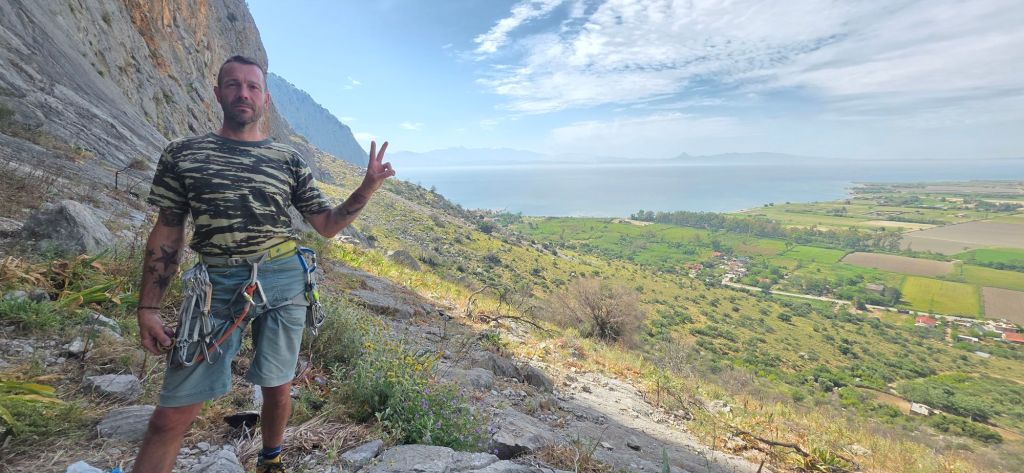
    A beautiful panorama

    We also saw a massive snake which was quite exciting.

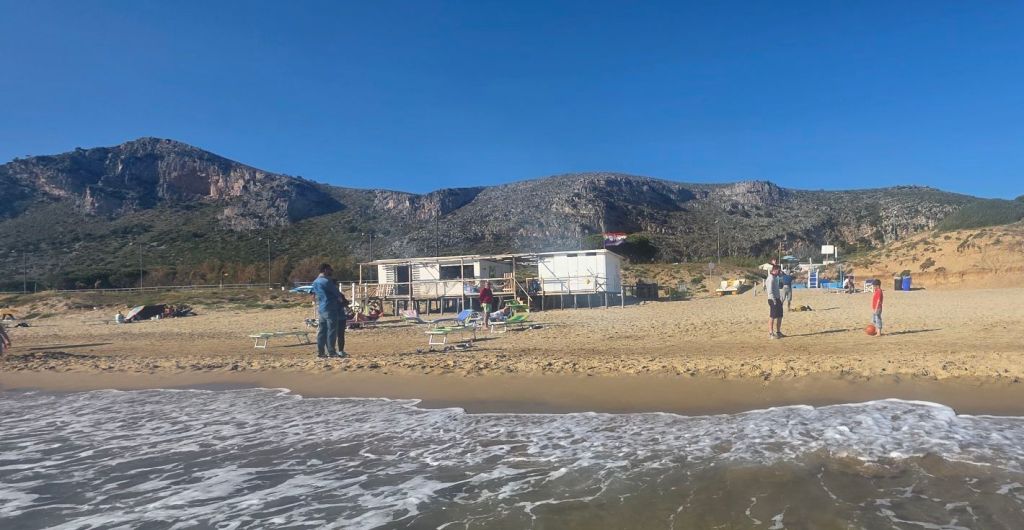
    After all that drama we are taking a couple of days rest by the sea, waiting for the arrival of mum and Tim who are coming out for two week’s holiday.

    Tomorrow, we visit Olympia, the birthplace of the Olympics, established in 776BC. Photos to come of Jem emulating ancient athletes.
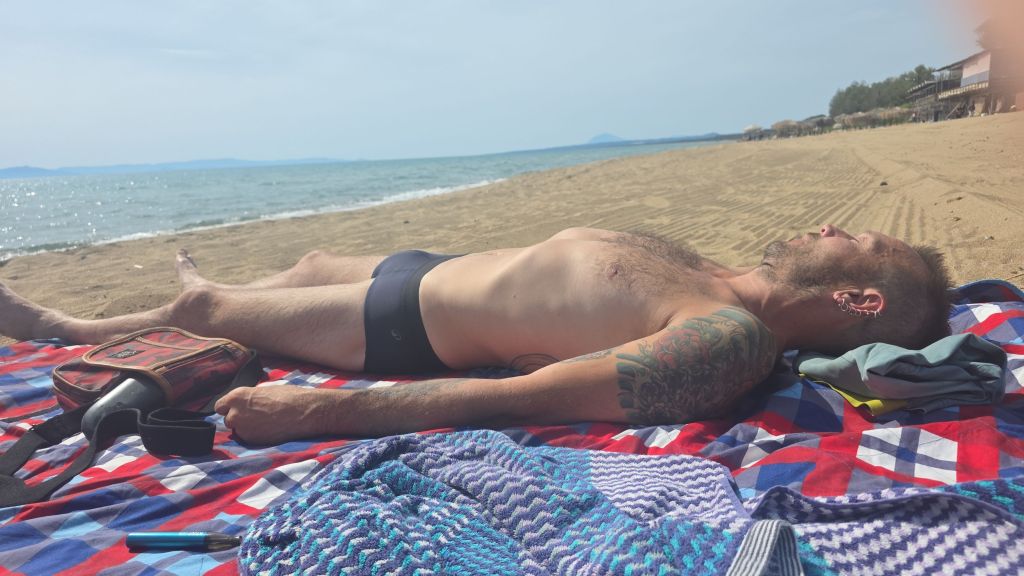
    Skateboarding victim in recovery
  • Embarking our ferry to Greece has been an entertaining experience; the Italian drivers honking their horns, tailgating and pushing in, while the Greeks forget they are under a strict time schedule, slowly and haphazardly driving their vehicles forward leaving 15 metre gaps, all while the port traffic staff wave their arms around in despair.

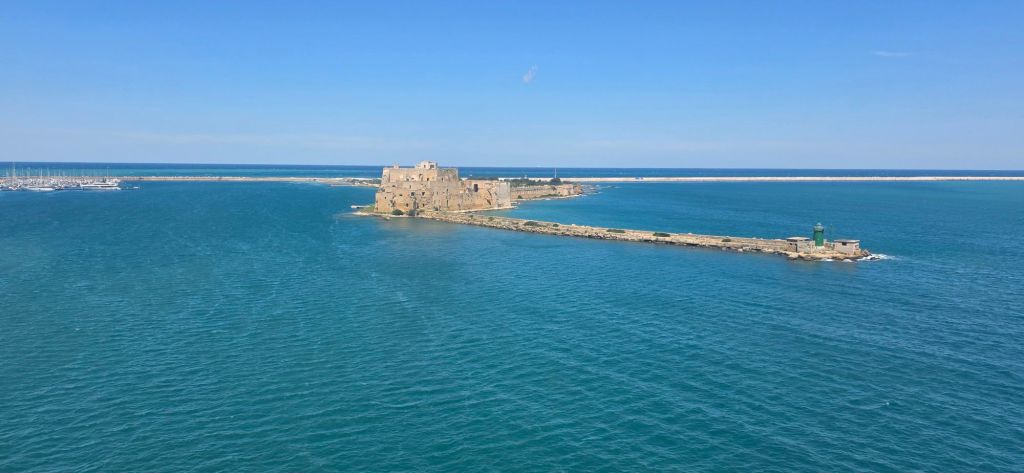
    As the ferry pulled out of Brindisi port, we enjoyed stunning views of Alfonsino Castle, a 14th/15th Century structure located on a small island called Isola di Sant’Andrea.

    Construction of the castle began in 1558, commissioned by Philip II of Habsburg, and the work took 46 years. Later, the castle was expanded by the Spaniards to defend against maritime attacks by the Venetians and the Turks. Brindisi then became the main military garrison of the Kingdom

    Now, on the 8-hour ferry crossing managed by the Greek company Grimaldi Lines, we are surrounded by lubricated Grecian lorry drivers exuberantly sharing tales with warmth and gusto. Italy and Greece are geographical neighbours, separated by the Adriatic sea, however they are worlds apart in culture, attitude and tarmac quality.

    As ever, the Internet resolved the age-old ‘how far is the horizon away’ debate. Fun fact: 3 miles away if you are standing on a beach, 2 miles if you’re on a chair, and a whopping 12 miles if you’re standing on a 100 foot cliff.

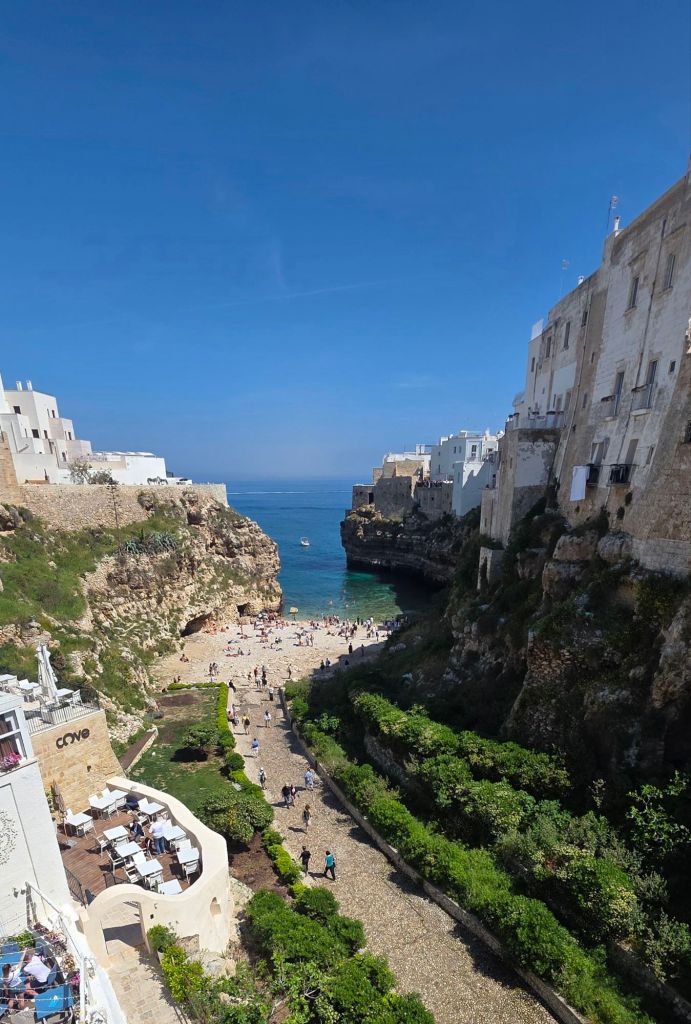
    Our short trip down the east coast of Italy revealed life in three adjacent yet contrasting coastal towns. We initially, on the recommendation of Google, headed to Polignano A Mare, touted as one of the most beautiful towns in the south.

    Polignano A Mare: Stunning and friendly, yet something of a one-trick pony

    As lovely as it was, with a much-lauded small ancient old town and Insta-worthy beach, the town was teeming, and a quick spin around was quite enough. We gathered up our top hats and Scotty dogs and headed half an hour south to the underrated Monopoli, which has been our favourite town in Italy by some stretch.

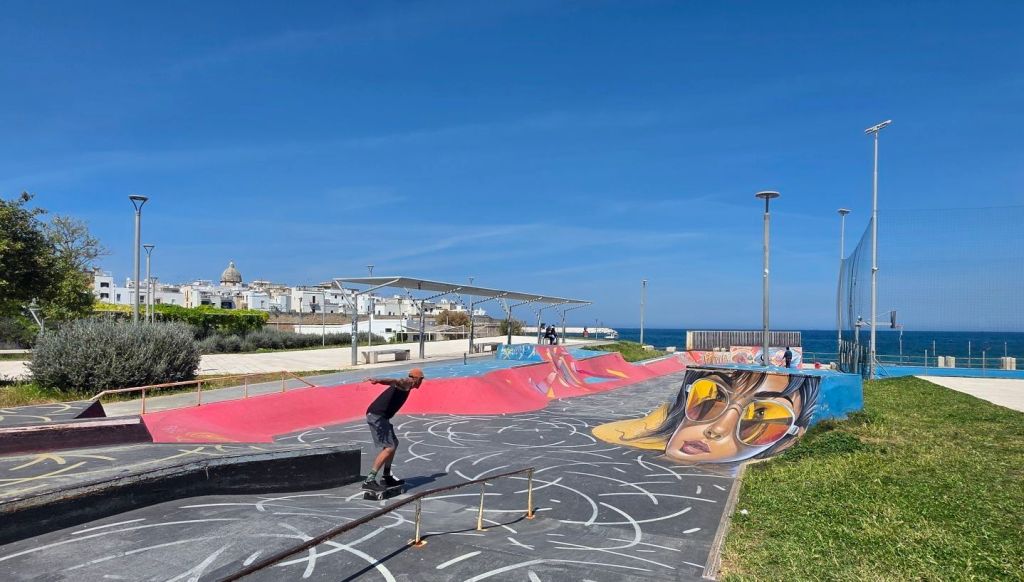
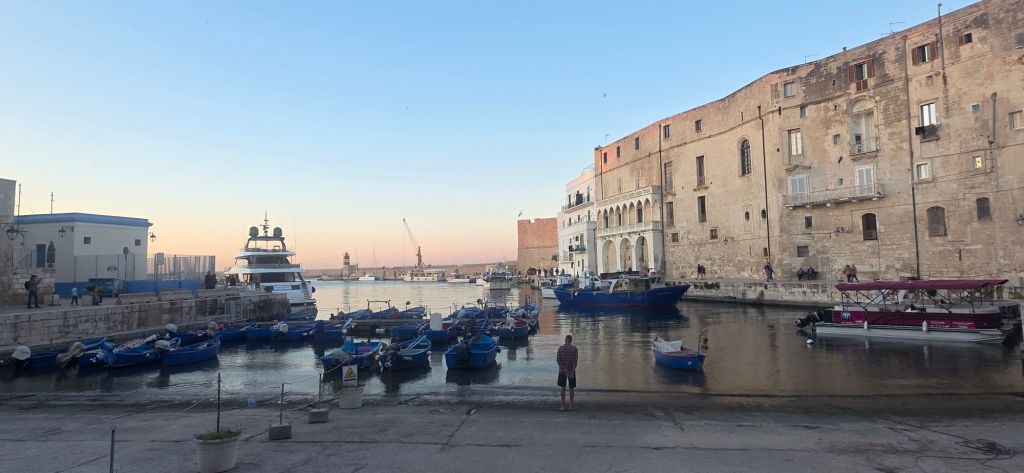
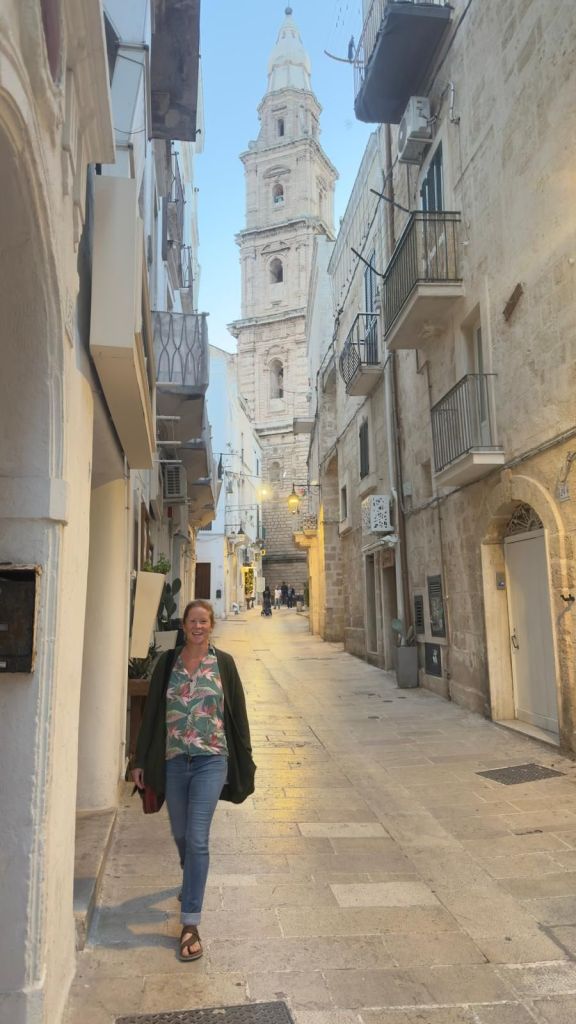
    Boasting a skate bowl, sea front, working port and harbour and labyrinthine alley ways, the friendly laid back vibe caught our hearts. Sadly no mountain backdrop here – just miles of flat vegetable cultivation, olive groves, wheat, and solar panels.

    Showing the kids how it is done

    We parked up by the skate area, complete with a shower block, toilets and two rugged beaches nearby. A group of local youngsters oo-ed and ah-ed as grandpa Jem carved around the contours of the skate park. After a spectacular unintentional dismount to a chorus of ohhhhhhs, he is now nursing several bruises and a wonky shoulder, but has a huge smile on his face.

    Monopoli’s working harbour
    Always looking for free parking in Monopoli
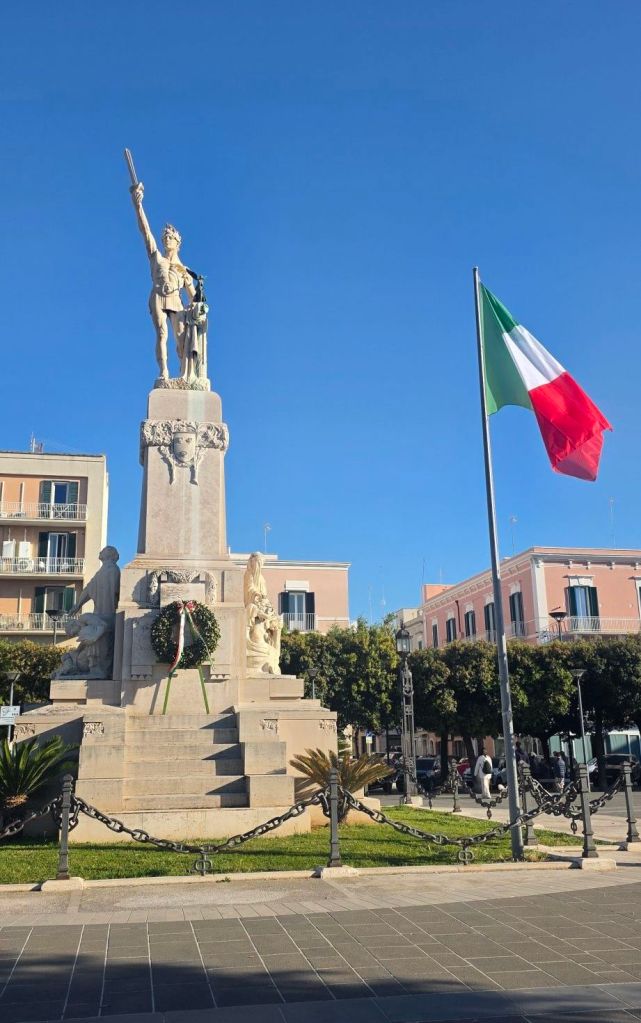
    A memorial to fallen World War Two soldiers

    As staunch atheists, Italy and its countless ornate gilded Catholic religious buildings have been eye opening and sometimes objectionable in their ostentatiousness. But having visited a dozen or so churches, of all shapes and sizes, and despite our views, we have felt peace, calm and solice within their thick stone walls.

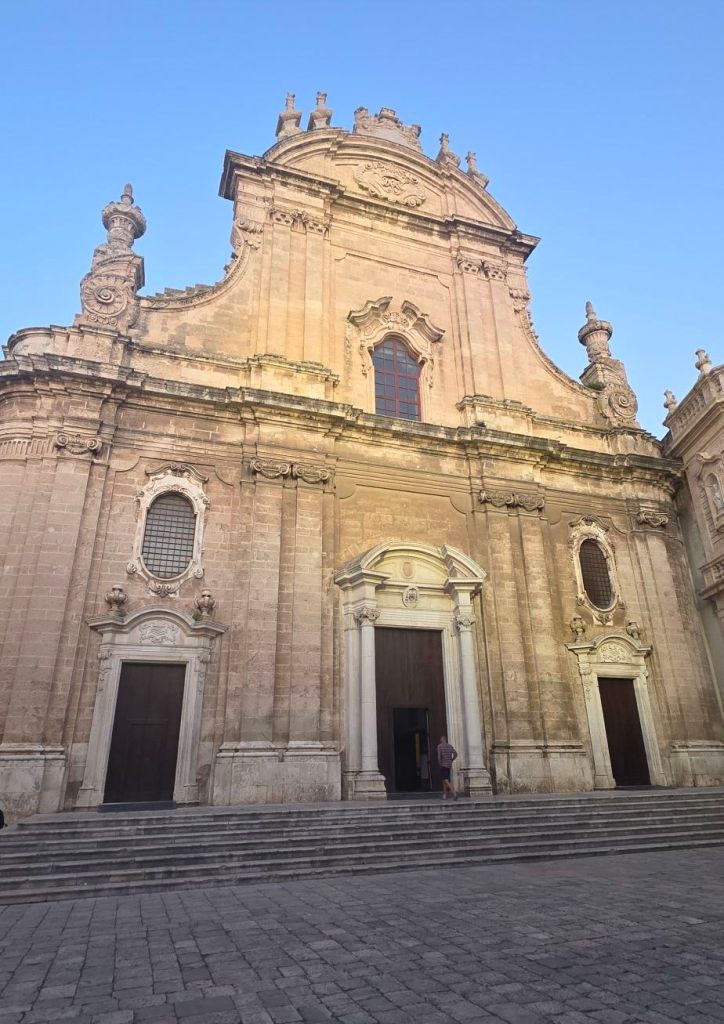
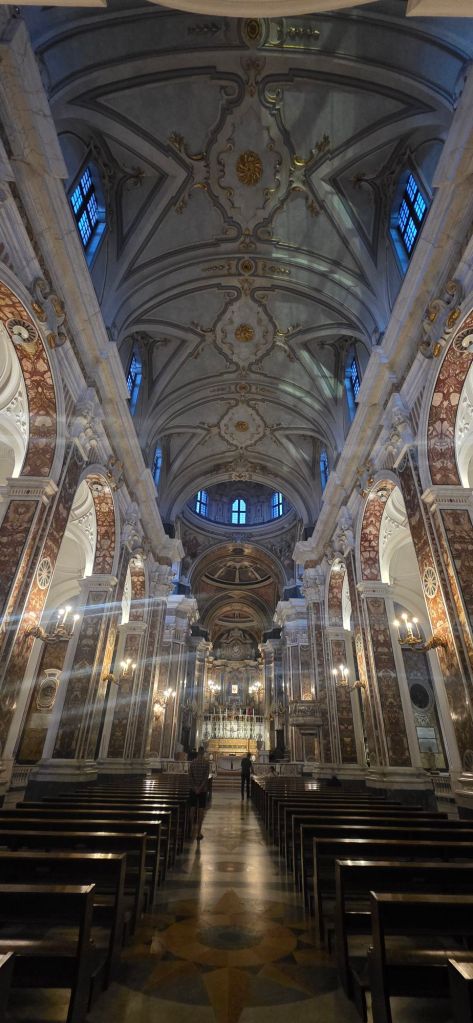
    Cathedral Basilica of Maria Santissima della Madia in Monopoli. Work began on it in 1107, but was supposedly halted for the lack of roof beams. As the legend goes, a miracle occurred in 1117 when a raft carrying an icon of the Madonna drifted into the harbour. The raft beams were used to construct the roof
    Inside the cathedral – apologies, a terrible image!

    Last night we spent the evening in Brindisi, which on entry initially presented as a bleak dystopia of rundown tower blocks, before opening up into a jaw-dropping ancient old town and revitalised harbour promenade.

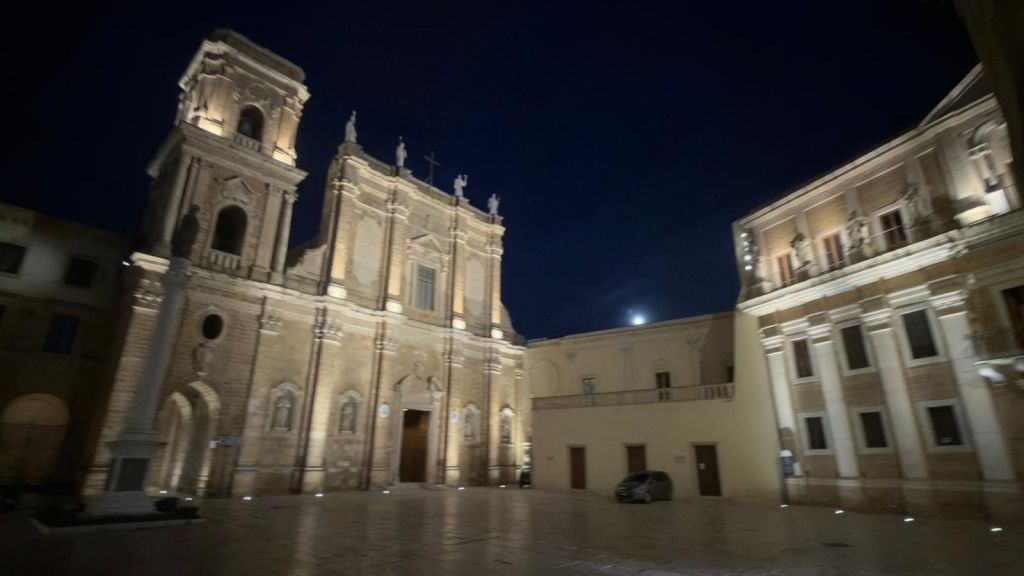
    The central square in Brindisi. Commissioned under Norman kings to cement their power, construction of the cathedral began in 1191 and was completed in 1248
    Following a devastating earthquake in 1743, the building was largely rebuilt and restored to its original style by 1880

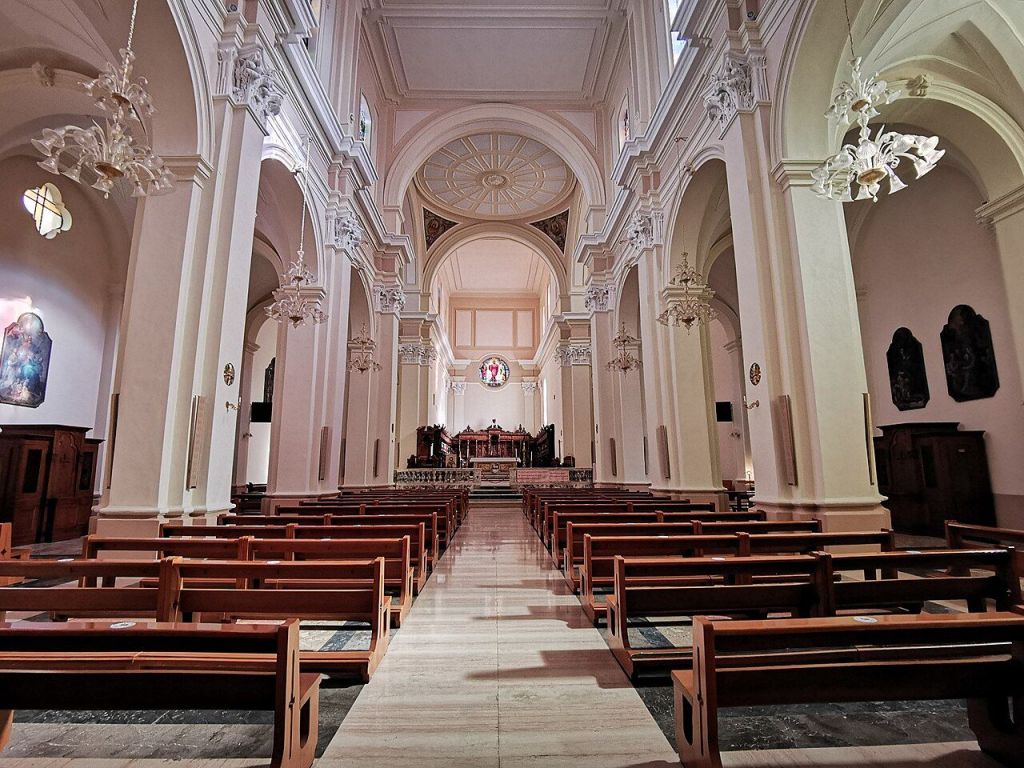
    Late in the evening we sat in the pews of the cathedral, silently listening to a choir practising, and I can only describe the experience as ethereal. The doors open late into the night, the churches welcome all, and other visitors and worshippers greeted us as friends. While I don’t subscribe to the concept of a higher being, the community and inclusivity is warming, and our experiences have created a fresh perspective on what these grand buildings mean.

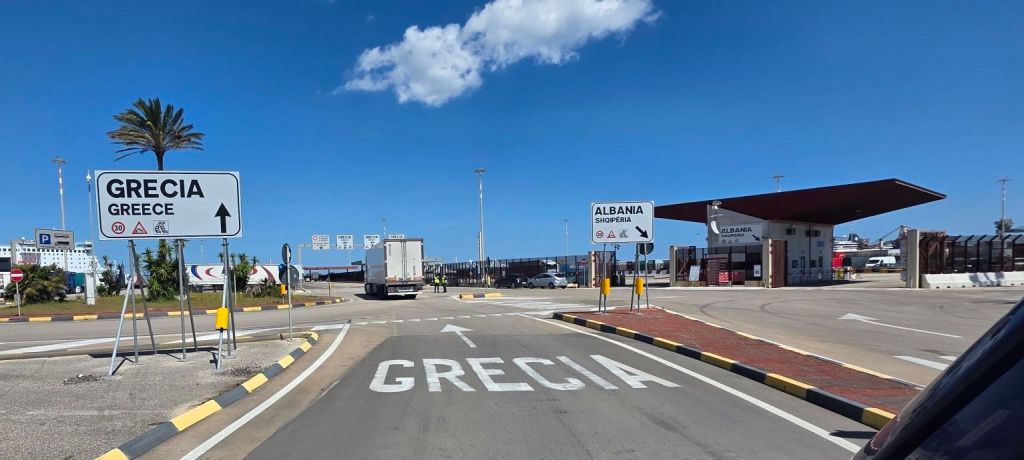
    Next stop, the Vikos Gorge not far from the Greek/Albanian border for a spot of trail running 🥳

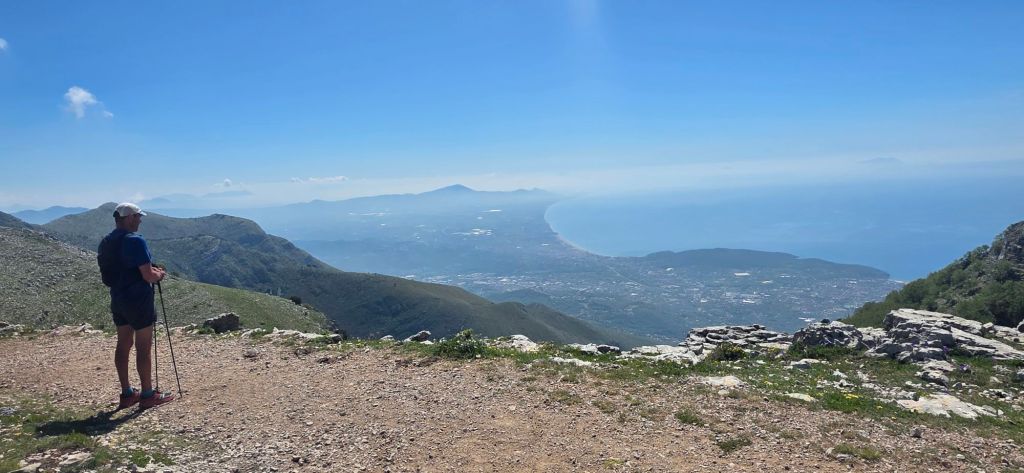
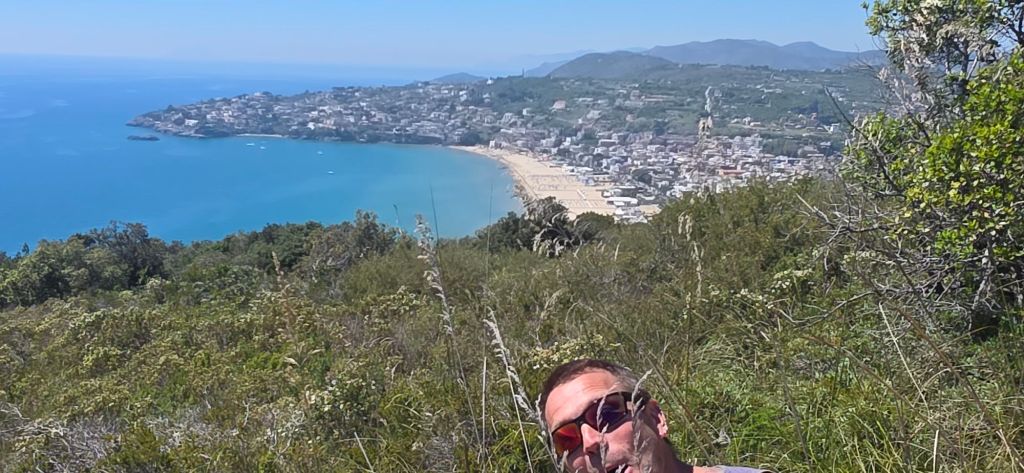
  • Looking down on the Gulf of Gaeta from Cima del Redentore

    Salve from Polignano A Mare, just south of Bari on the Adriatic Coast of Italy. The mosquitos in the south are a very naughty lot, and Jem took them out in three-hourly intervals throughout the night, wielding his underpants around his head like some kind of modern cat o’ nine tails warrior. While we got off lightly, there is evidence of the massacre on most surfaces of the van.

    We are both exhausted after an 8-hour schlep across the country yesterday which took the scenic route through the spectacular Appennino Mountains. On the distant horizon, in the Abruzzo region to the north, we could espy 3,000m snow-capped peaks.

    The route was enhanced somewhat by a wrong turning, which culminated in being trapped on a 300-metre one-way street in an artichoke festival with the street fairy lights skimming our roof, to the horror and amusement of locals

    The travel highlight of the day included descending down from our park-up in the mountains above Sperlonga.

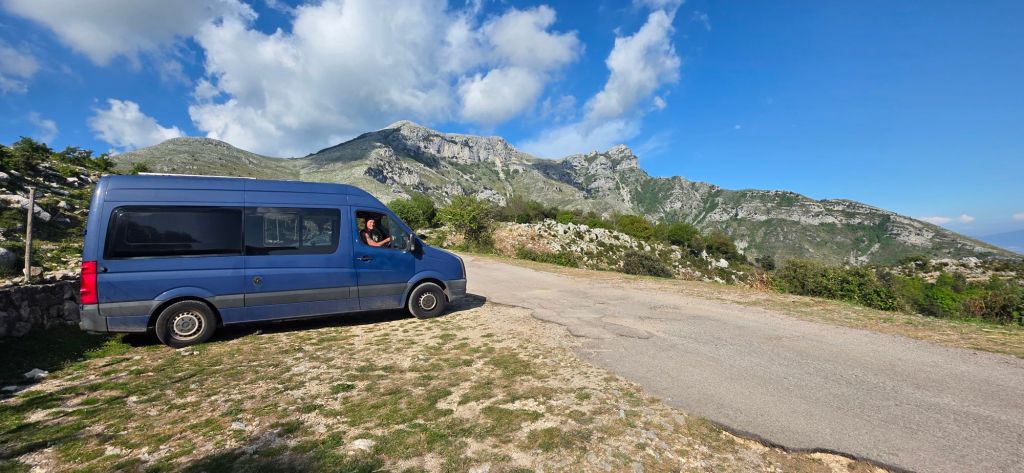
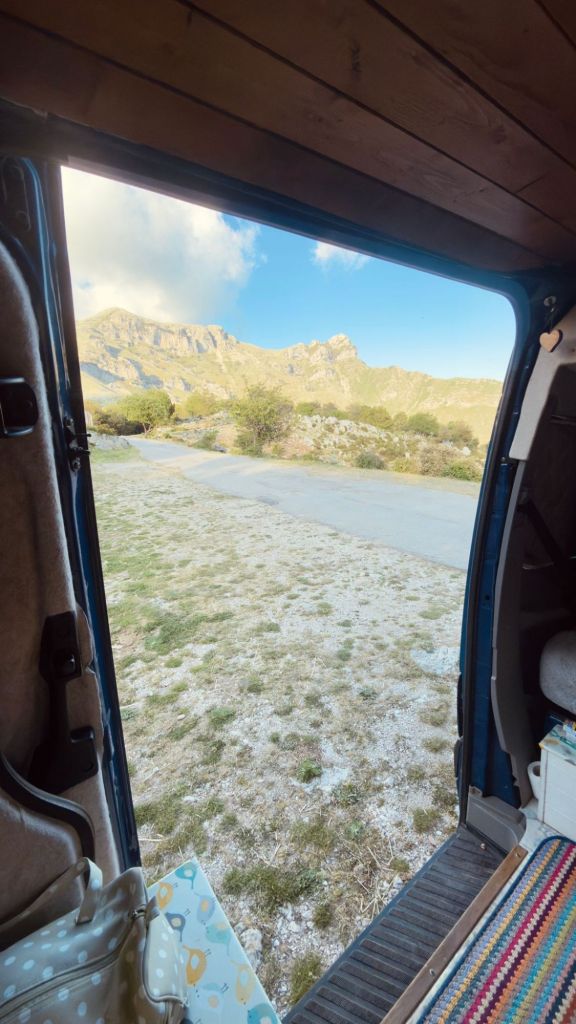
    Winning camping scenes, at an altitude of some 1,000 hair-raising metres, up a winding single track road
    Jem’s knitting bag never leaves his side

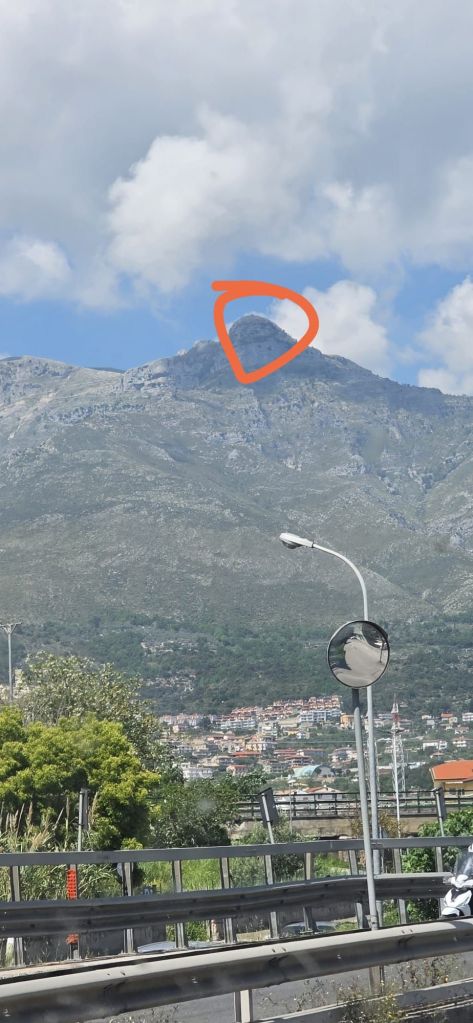
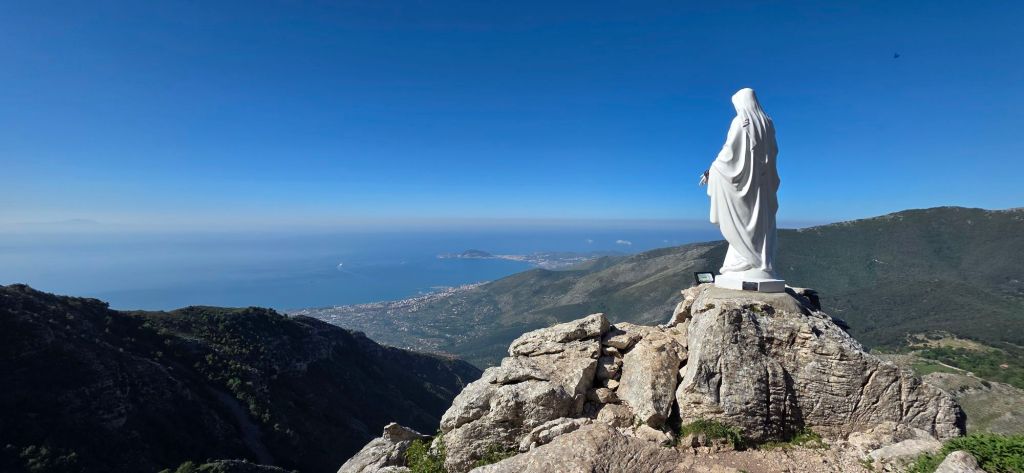
    Our parking spot marked the starting point for the ascent to the Cima del Redentore (Peak of the Redeemer); one of the most famous hiking and pilgrimage destinations in the Aurunci Mountains in the region of Lazio, offering a stunning balcony view over the Gulf of Gaeta.

    The pilgrimage reaches a huge bronze statue of Jesus, which overlooks and judges everyone in the valley
    Off we set up the pilgrims’ track hand in hand harmonising Kumbaya
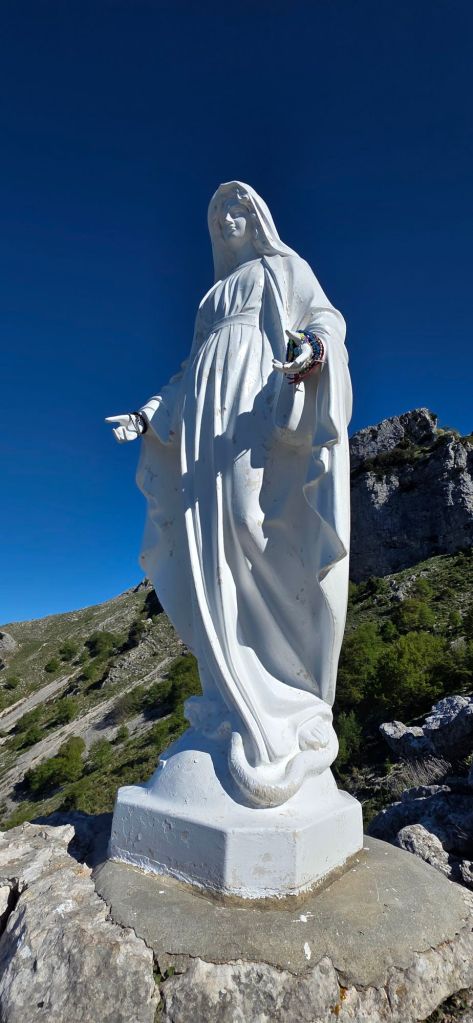
    The demure life-sized Madonna sits halfway up the trail and is overlooked by the huge bronze statue at the summit
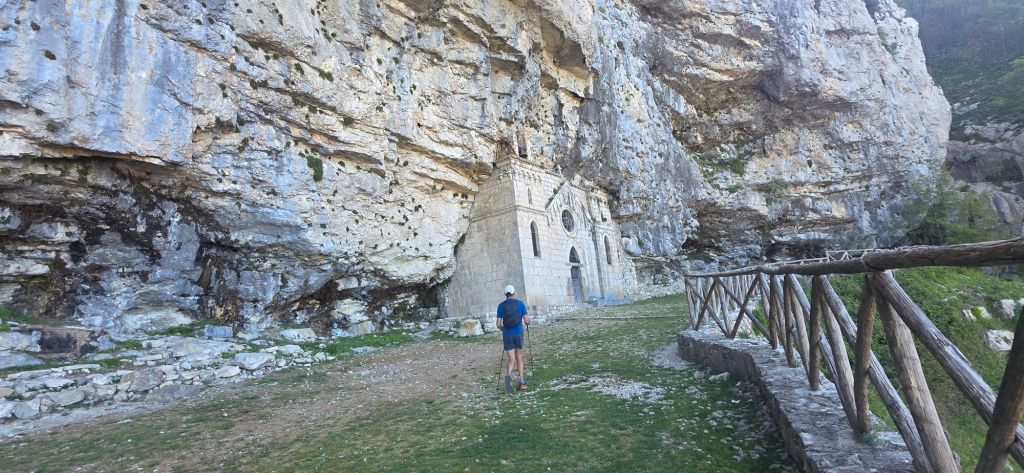
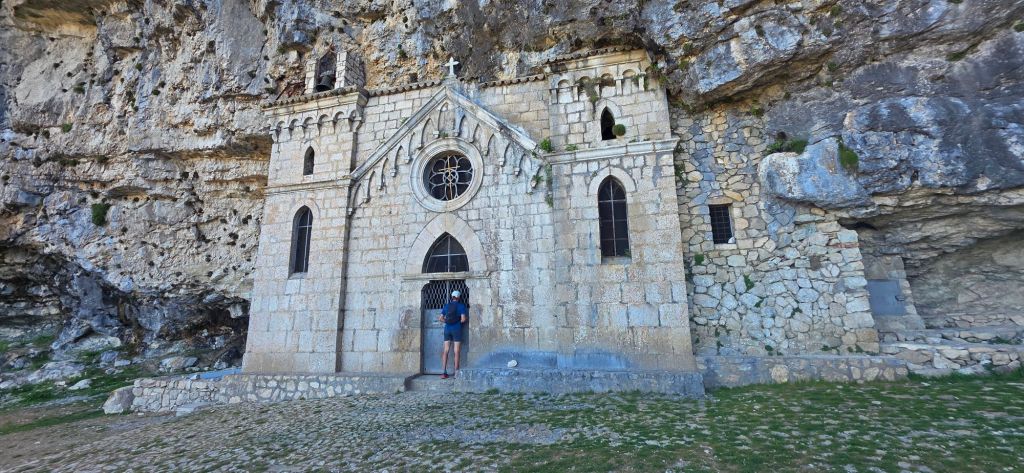
    At an altitude of 1,158m sits the Hermitage of Saint Michael the Archangel, dating back to the 9th Century. The hermitage was rebuilt in 1893 in its present Neo-Gothic style due to water erosion
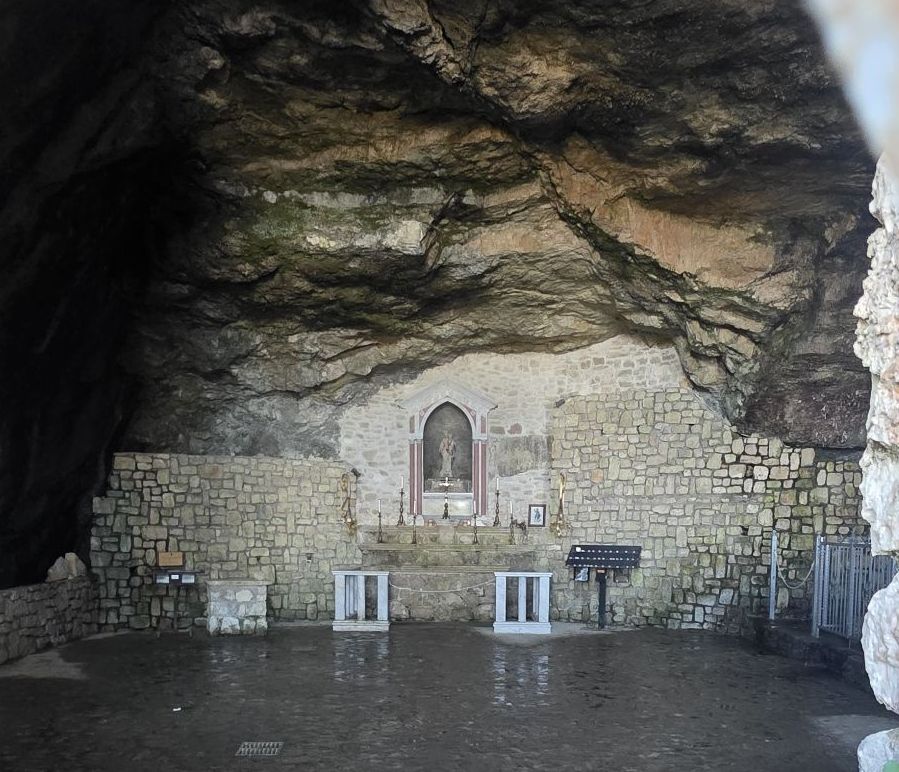
    Through the locked gates we could spy an altar, a damp floor and a collection box
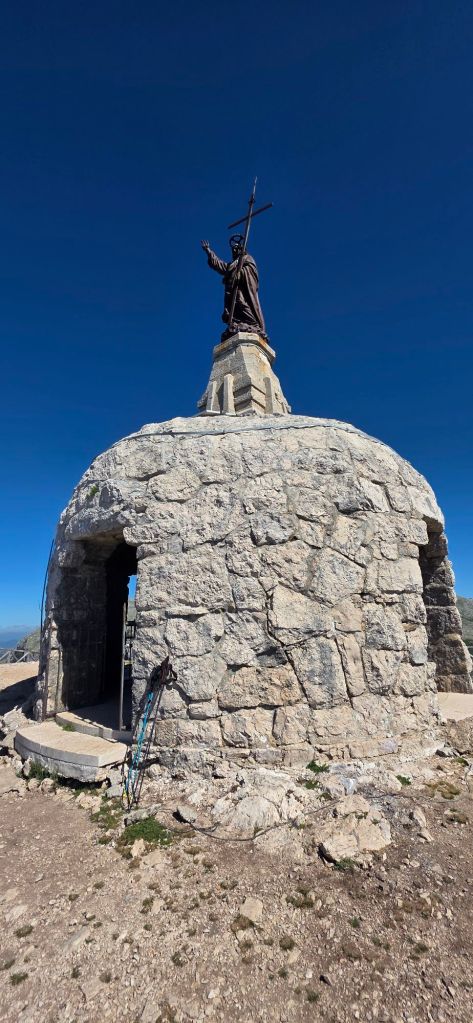
    At the summit, 1252m above sea level, sits Christ the Redeemer. The 2.1-tonne monument was commissioned by Pope Leo XIII in 1900 as one of twenty statues placed on notable Italian peaks to mark the turn of the 20th century. Transporting this mighty bronze to the summit in 1901 was a major feat; it was hauled up the mountain on a custom-built sled pulled by oxen and hundreds of volunteers from the nearby village of Maranola, a journey that took 14 days
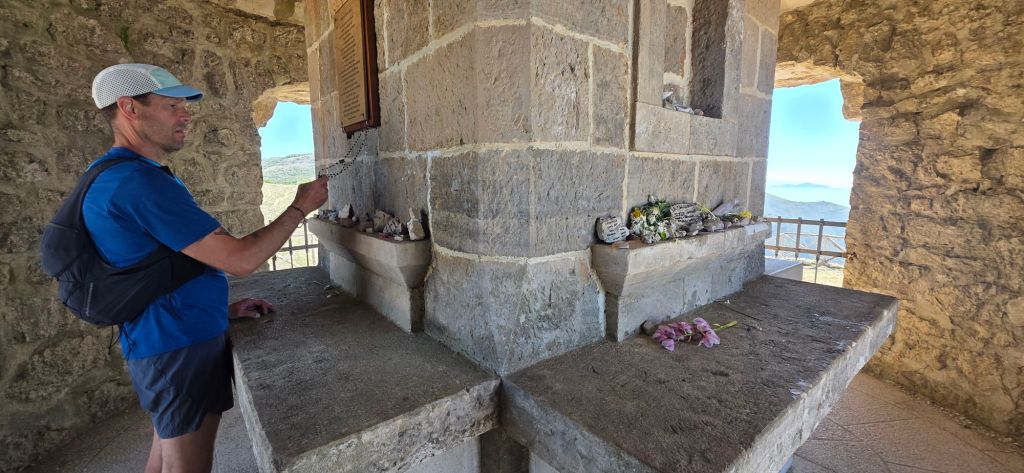
    The statue sits on a 10-metre plinth including a shelter providing 360 degree views
    All sins forgiven. Hurrah!
    The Mediterranean alpine wild flowers, rockrose and bindweed, were out in bloom
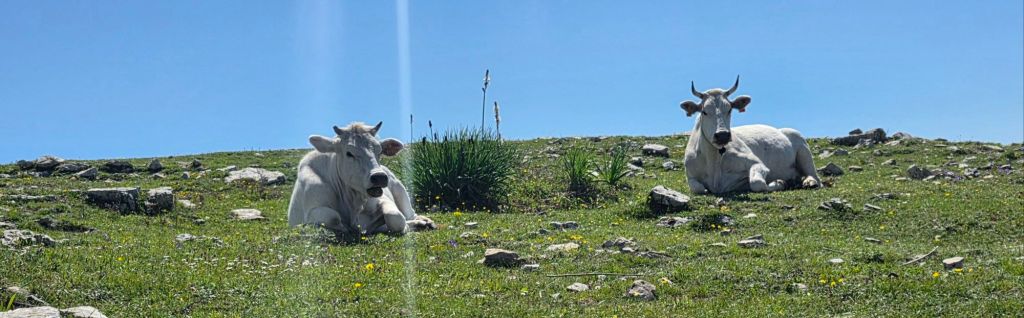
    Cows whispering is a prerequisite skill in this neck of the woods
    While Jem deals with the mosquitos, I take care of our horned bovine friends, who appear quite terrifying but are extremely gentle
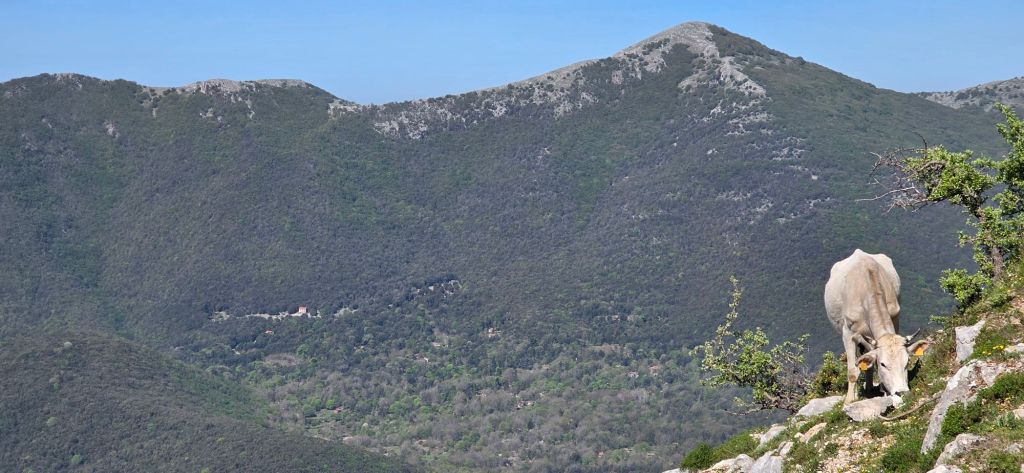
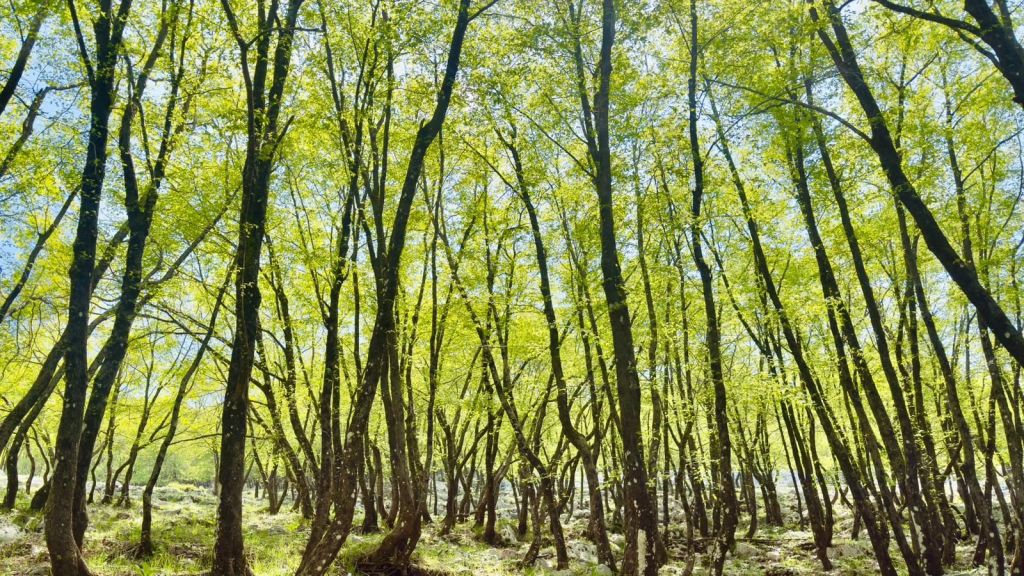
    Ancient woodland on the descent

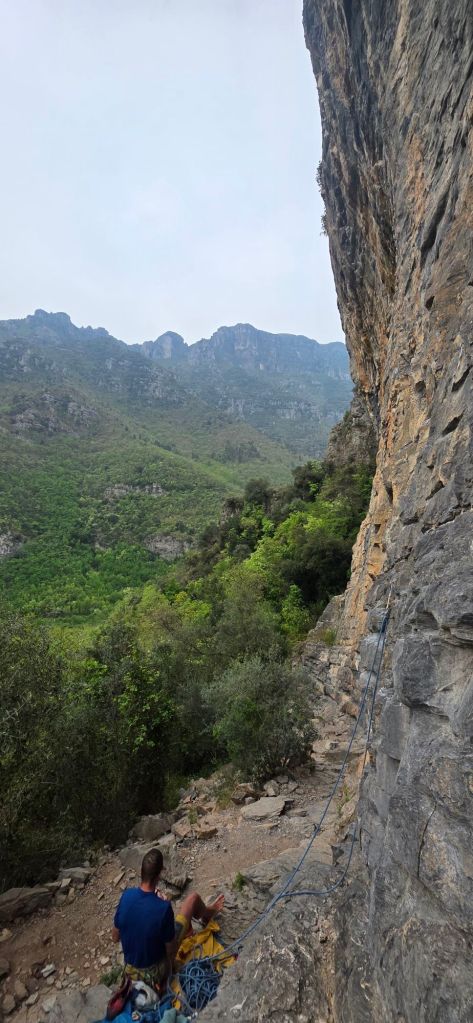
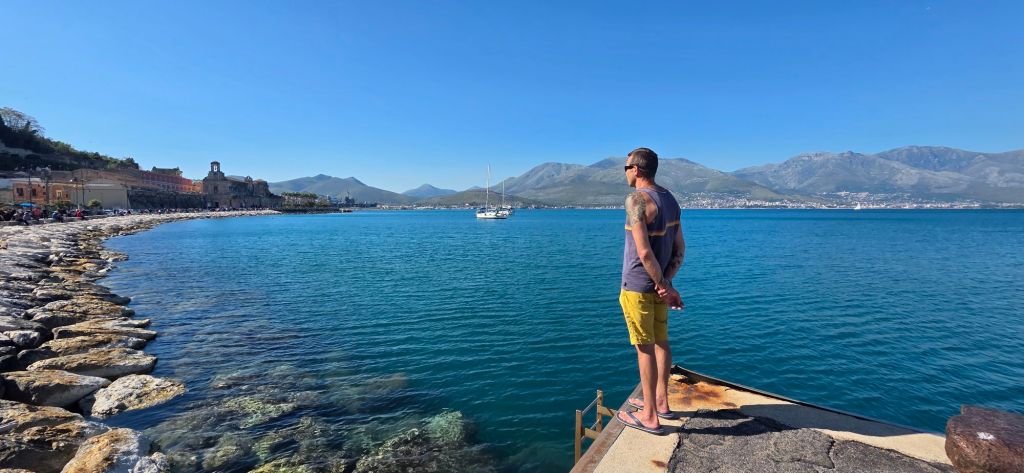
    Before the most recent leg of the journey, we spent a couple of days climbing in the Gaeta area. The rock quality was amazing and we were astonished at how weak we were.

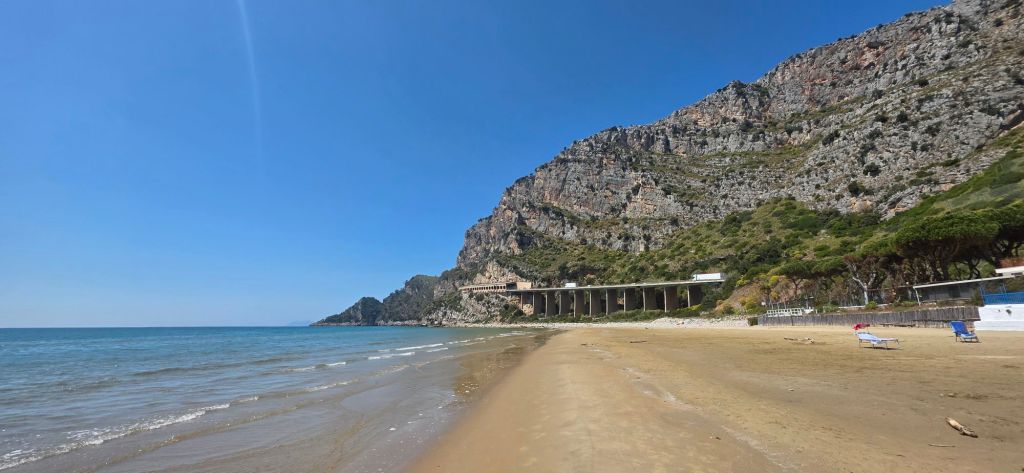
    The crags in this sector are located above and to the left hand side of the bridge. One can get from the rock face and in to the sea via a 15-minute stroll
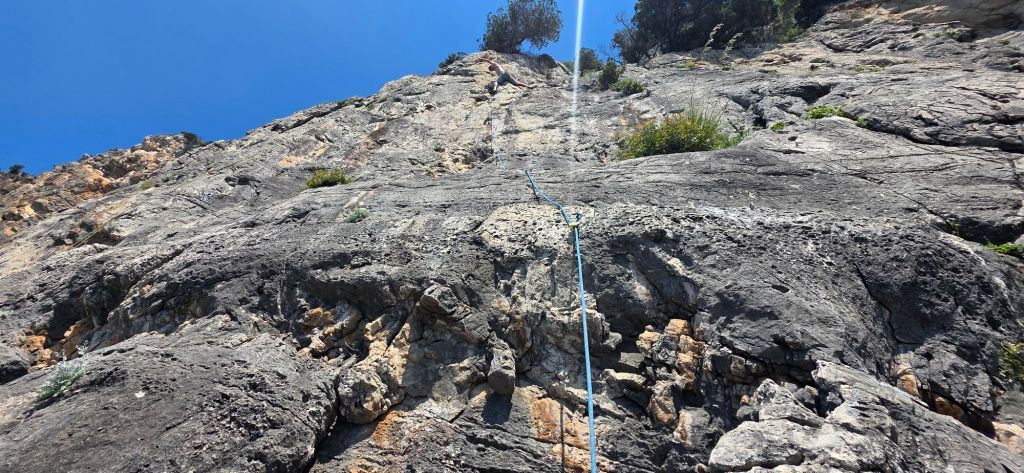
    Jem cranking hard on a “5b”, which after some bemused grunting, we re-graded 6a
    A hard-earned dust-buster

    Our current location, Polignano A Mare, is perched dramatically atop a 20-meter-high limestone cliff. This Puglian town, with its roots stretching back to the 4th Century BC, features a crazy network of alleyways and stacked whitewashed buildings. More on this later, we are off to find Jem some Italian speedos. Ciao for now 🥰

  • Greetings from Sperlonga, a few hours south of Rome. This is the home of well-dressed, yet effortless stylish Italian chic. Walking through the streets here we feel like true skanks, mostly covered in chalk and snot, while the locals strut past in sharp boat shoes and tailored suits.

    I always considered the Italians to be a slightly surly and intimidating bunch, with previous awkward encounters leaving me quaking in my very British boots.

    The phonology of the Italian language is akin to a rapid machine gun fire; arms flailing as they wander around shouting exuberantly into their mobile phones; slick back hair and bravado and pressed chinos prancing down the promenade (complete with small manicured dog); rows of nonnas on benches sucking on spiney thistles. One might wonder if you’ll wake up with a horse’s head in your bed.

    It has been a welcome realisation that when approached apologetically and with me spouting truly terrible Italian, the bulldog frown lights up and one is welcomed in like a long lost daughter. It is in fact a joy to be surrounded by people who don’t say sorry every fifth word, humans who talk straight – and instead of smiling and then bitching behind your back, they just bitch to your face. It takes some getting used to. Today a waiter, initially shouting at us for sitting at the wrong table, ended up giving us his number for a future evening soiree.

    It is a great country.

    The climbing in italy is notoriously hard, and guide books prepare you for reducing your grade by two notches. As demoralising as this is, we have been thriving slamming the 5s and 6as. The technical slab climbing has been amazing, and today saw many routes dispatched.

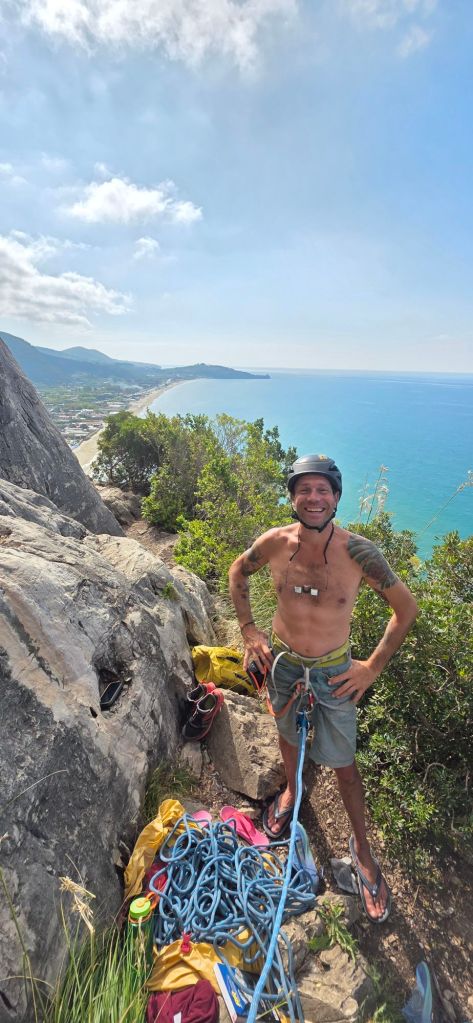
    Two pitches up on some weird adventure. Don’t worry mums, Jem does wear his helmet

    Travelling for ages as we are on a strict budget, we have come up with some cost-saving strategies to keep us afloat. An audit of local supermarkets has involved staring agog at the shelves in the local Carrefour and Conad (affectionately renamed Gonad) where you can exchange vital organs for one salami and slice of cheese.

    Lidl and Penny, however, provide value for money, and we are living off frozen vegetable mix, sausages, cans of Belgian lager for 70p, and £2.50 pizzas at the crag. This is offset by the cost of travel, where a tank of fuel that allows us to drive for six hours dents the wallet by more than £120.

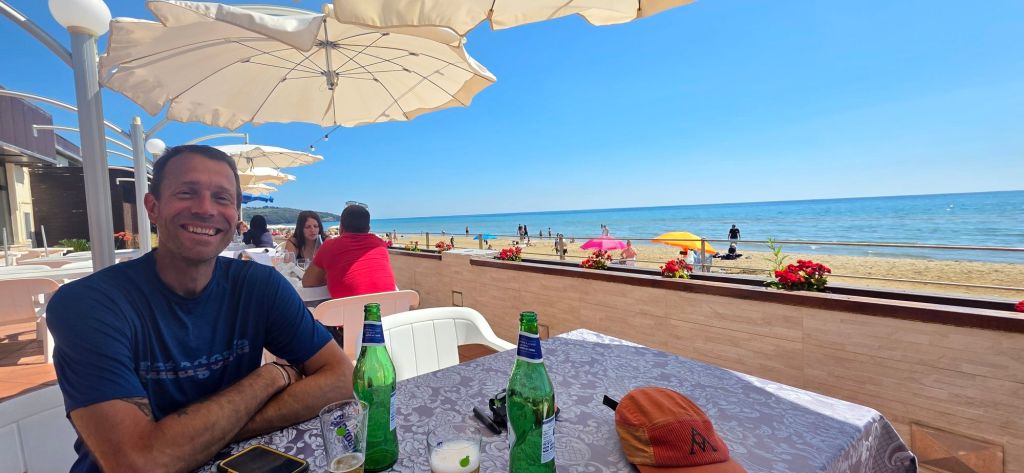
    Yesterday we took the hit and drove down to Sperlonga below Rome, a coastal town with some climbing and fancy vacation scenes. Not our cup of tea but it has been a joy to watch the prancing and exhibitionism.

    Climbing and the sea, woooo
    What is that in the bushes
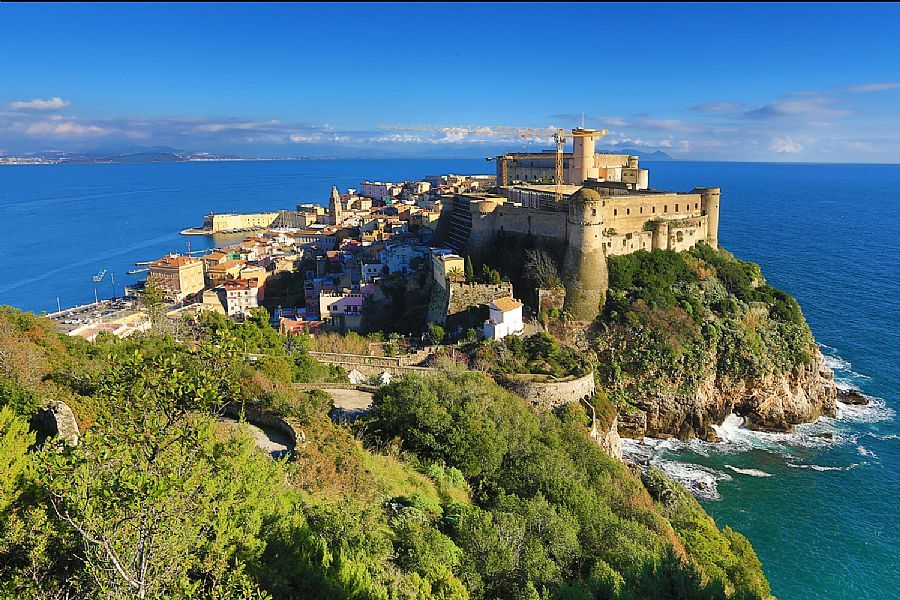
    Gaeta old town – the 6th Century castle was turned into a military prison until the 1980s and housed notorious Nazis Reder and Kappler

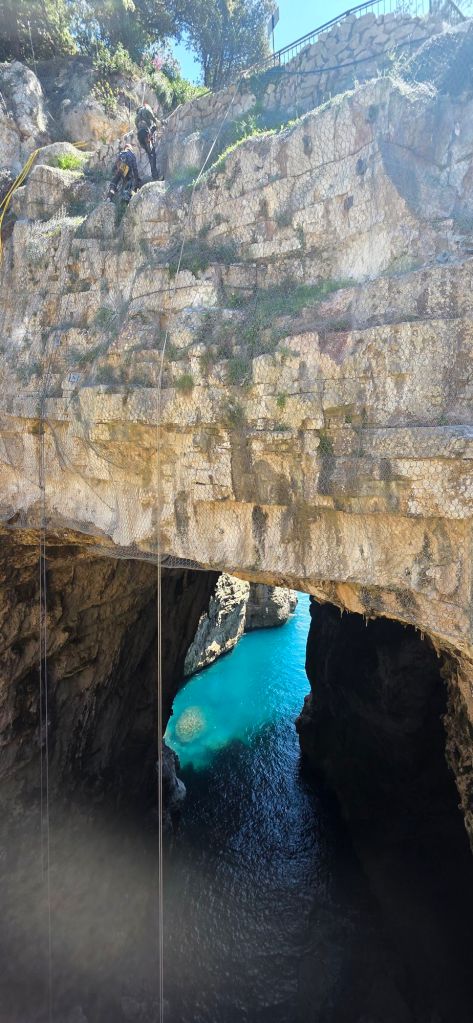
    We visited the local geological wonder in Gaeta, where a cave slices the peninsula in two. As intruiging as it was, Jem was more interested in reviewing the industrial practises of the rope access technicians, who apparently were one wrong move from plunging to their imminent demise.

    “You would never see that anchor system in the UK, god forbid!!”

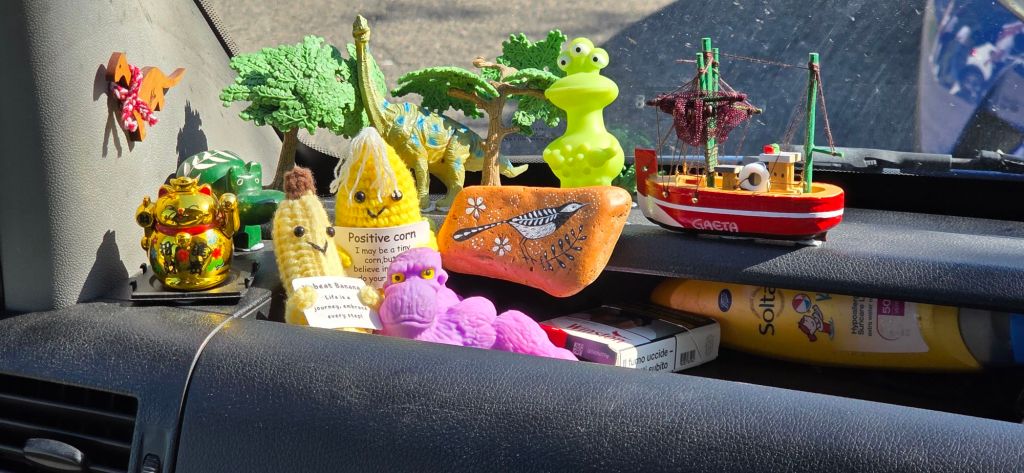
    One does feel slightly revealed walking around in shorts and vest top in 22 degree heat when the locals are still dressed up in trendy leather jackets and downies, casting their beady eyes sidewards as we saunter past, sweating and panting in the heat. We have also been putting some work into expanding our dashboard safariscape, which exhibits the finest of global tat, and will almost certainly execute the passenger in the event of an automobile accident.

    Onwards we quest towards Brindisi over the next few days. Sending love to everyone at home.

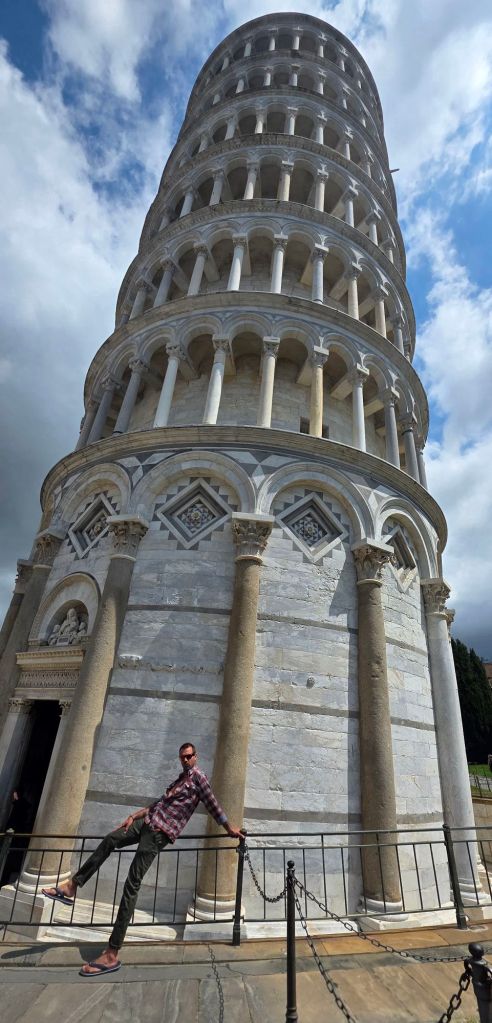
  • The Leaning Tower of Pisa, built from the renowned local white marble, is known for its nearly four-degree lean

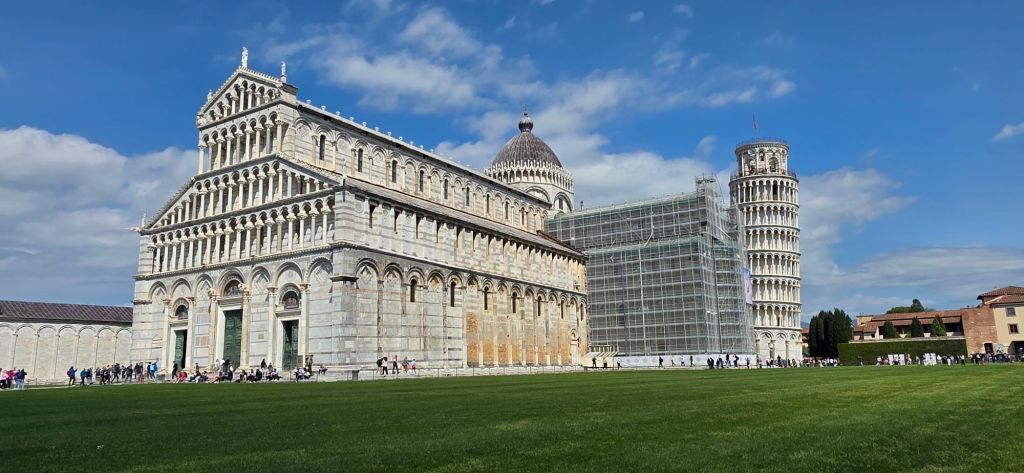
    On our way down south from the Apuan Alps we dropped into Pisa, the very definition of a ‘one and done’ tourist spot. The university city is tiny with just 95,000 residents, and the (free) tourist attractions include a cathedral, and viewing the tower from outside, which by itself was worth a gander for an hour.

    The tower began to lean during construction in the 12th century after some bright spark decided to build it on a bed of clay which could not support its weight. The lean worsened through the completion of construction in the 14th century. By 1990, the tilt had reached 5.5 degrees and remedial work since has rectified the angle somewhat.

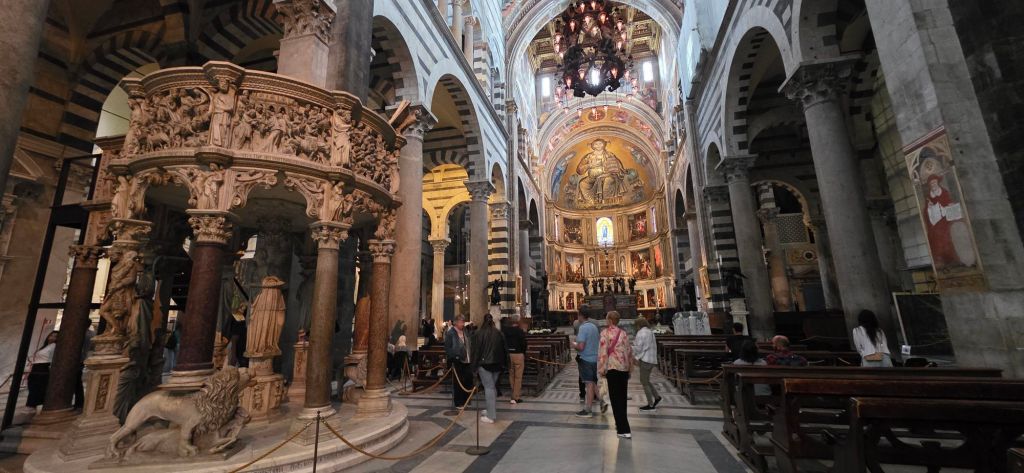
    Pisa Cathedral, a medieval building with a marble facade, was completed in 1118. The tower sits behind in the same square

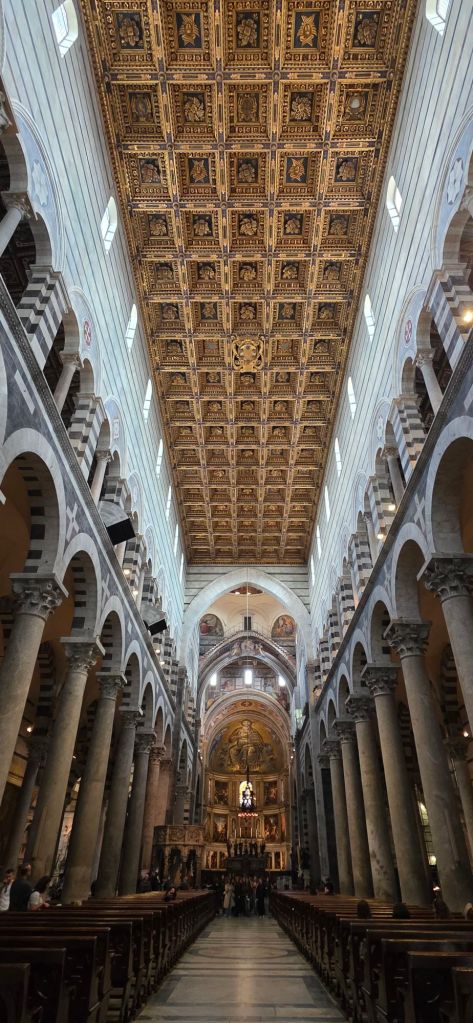
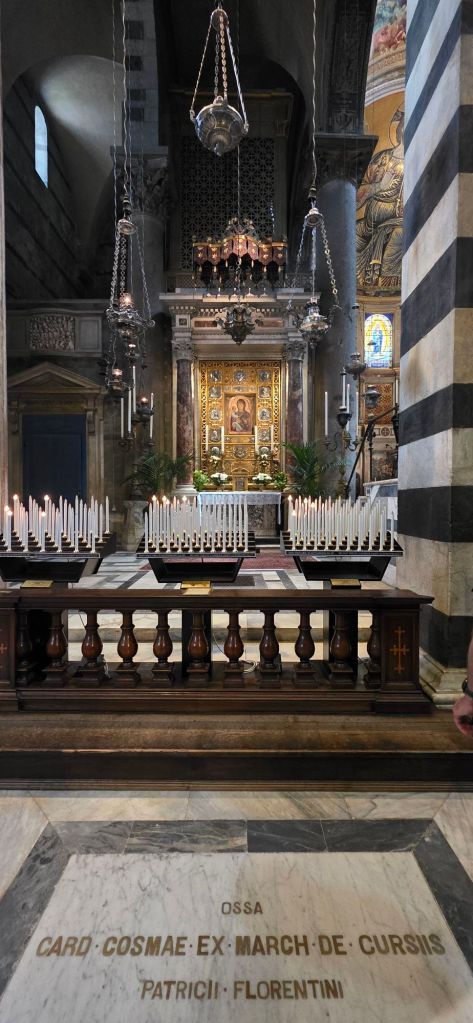
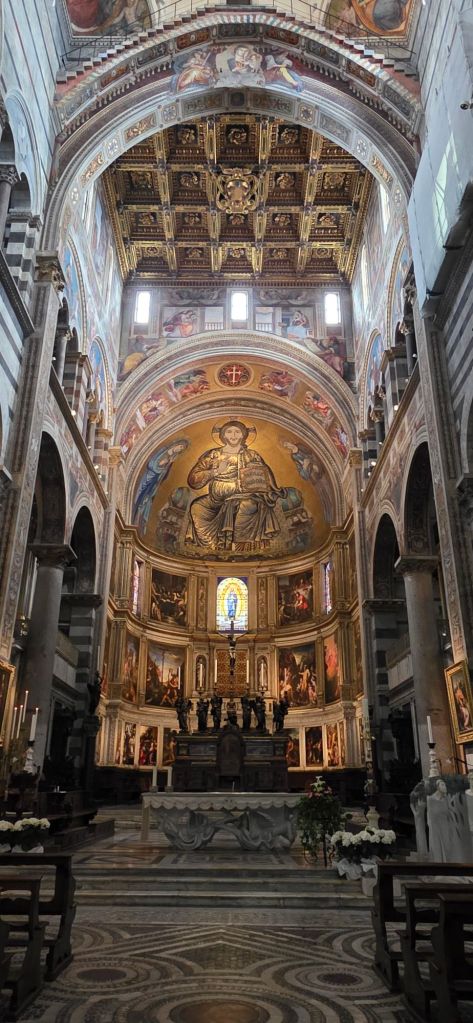
    The other free attraction, the cathedral, embodied all the worst of Catholic excesses and we are sure Jesus would not have approved of this ostentatious pile.

    The marble used in these constructions was excavated from the Apuan Alps, behind a town called Carrara, and is thus named Carrara Marble. The quarries have been in use for more than 2,000 years and are arguably the most famous in the world, often referred to as the ‘White Gold of Italy’. The marble is exported worldwide, with 50 per cent going to China.

    The primary reason for the marble’s celebrity is Michelangelo, who personally traveled to these quarries to hand-select blocks for his masterpieces, including the David and the Pietà. He believed the marble was so pure it “contained” the statues within, and he just had to set them free. 

    This image, stolen from the web, shows the Carrara quarries in the Apuan Alps. We have been staying on this coastline for the last week

    The Apuan Alps include 250 named mountains that offer walking, climbing, mountains biking and via ferrata. Access is via wiggly windy mountain roads which, while exciting, are significantly less high-octane than previous offerings.

    Last week we summitted Anticima Matanna (1304m), providing panoramic views of the Alps, the quarries and the coastline

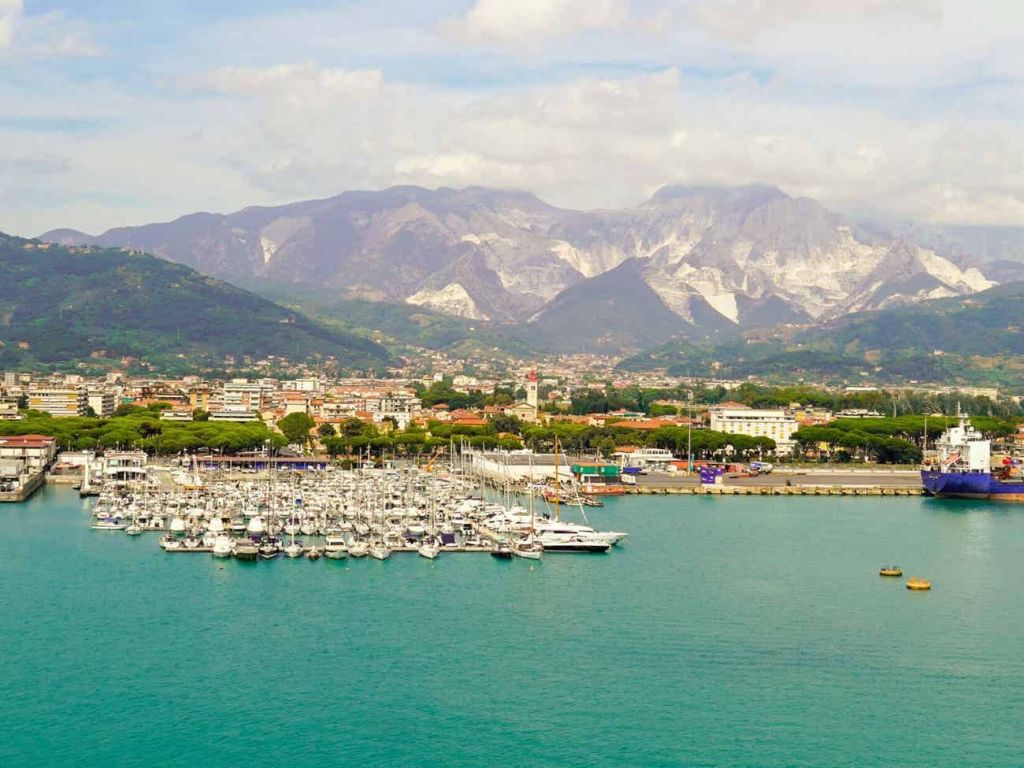
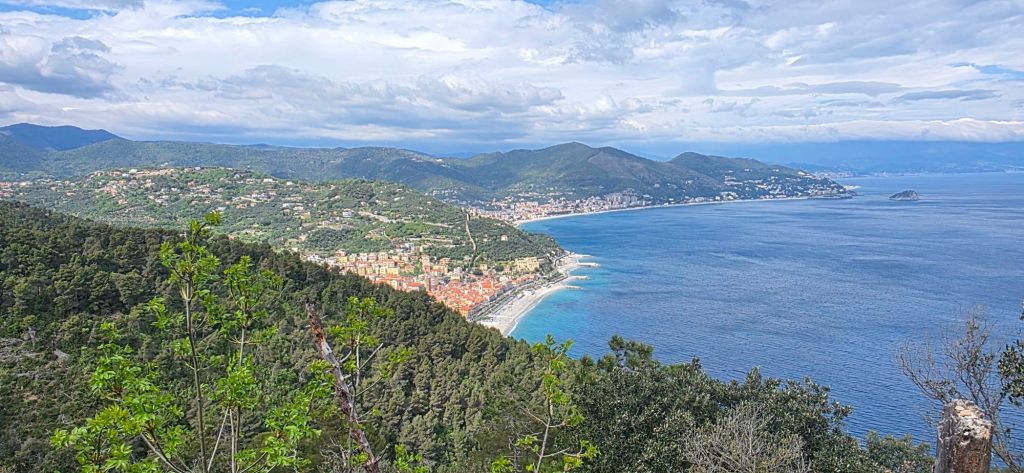
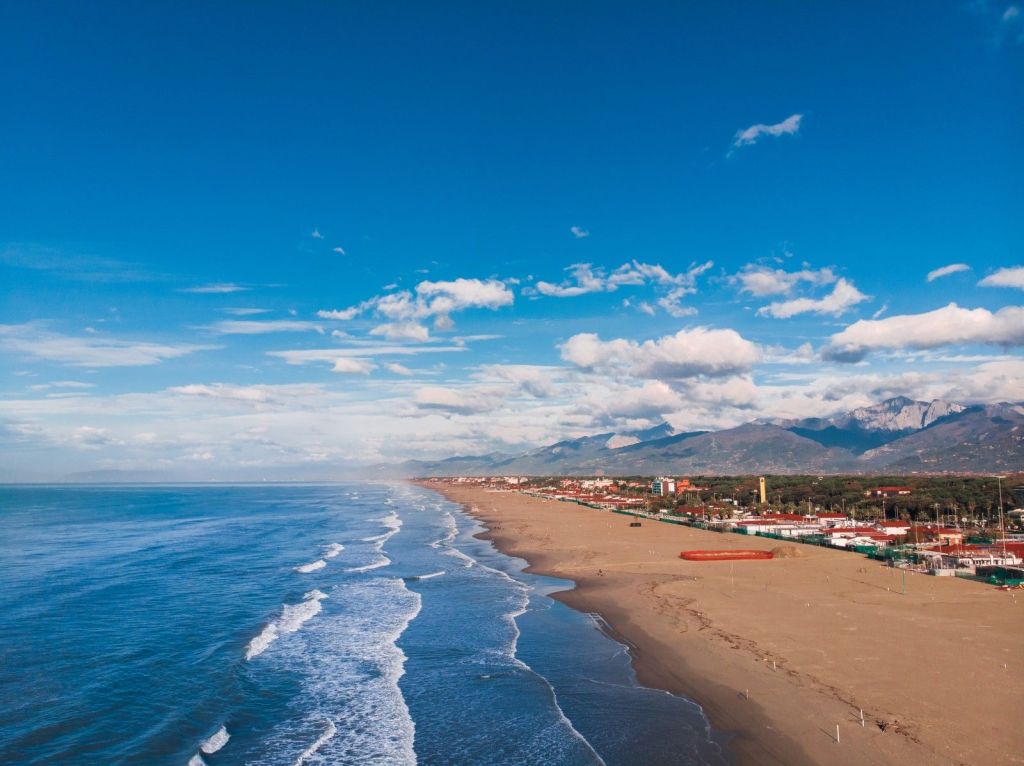
    The northwest corner of Tuscany has treated us well; long sandy beaches (which are almost certainly at their best in off-season), the historic towns of Massa and Viareggio, beautiful shoreline park-ups, and access into the dramatic mountainscape.

    The beaches, sadly, are lined with private beach clubs that in high season charge up to 40 euros a day and provide bars, lifeguards, umbrellas, towels and even swimming pools. Under Italian law, you can still access the first 5 metres of sand from the sea without paying, and there are also a few small public beaches. In off-season, it’s access all areas for everyone without charge

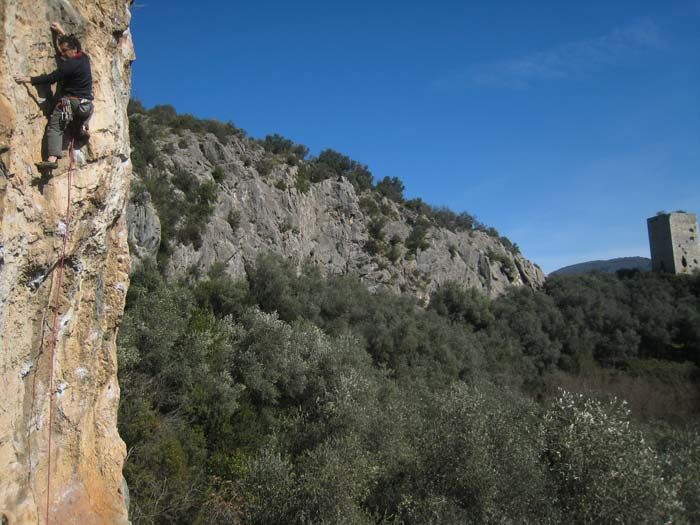
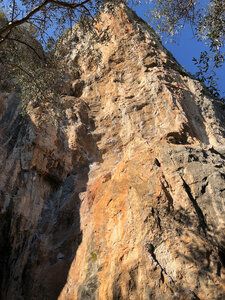
    Just down the road towards Pisa sits an awesome crag called Vecchiano, with hundreds of sport climbing routes in all grades. (The below images are lifted from a climbing website.)

    Many hours spent on the Italian roads now, and we still haven’t acclimatised to the aggressive indicator-shy motorists who use roundabouts as racetracks and deem it ok to drive their micro-cars on the wrong side of the road on mountain passes. Maybe we would fit in better if we let the lugworms drive and we sat in the back with blindfolds on. The lugworms, meanwhile, are still chilling in the fridge patiently as we can’t bring ourselves to feed them to the fish. The Internet tells us it would be bad form to release an invasive species into the wild, so I guess they are here to stay.

    For the next few days we are hanging out at Jem’s favourite genre of campsite, where he is currently knitting one and pearling one, with just a ball of wool preserving his modesty.

    Vague future plans include heading to Rome before catching the ferry over to Greece on May 1st
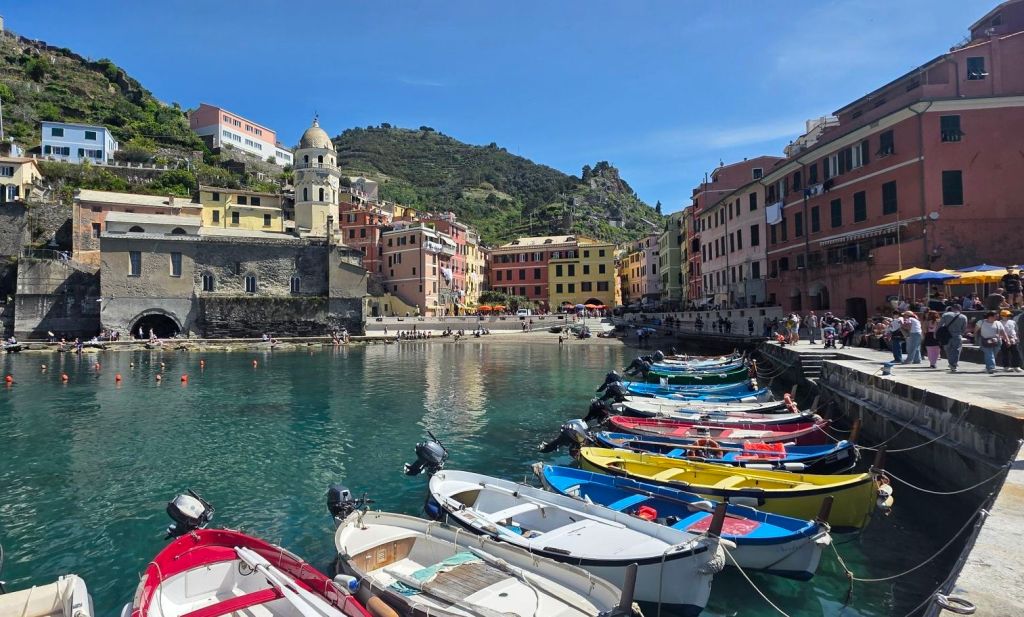
  • Vernazza in the Cinque Terre region, located on the eastern Ligurian coastline

    Having spent a week around Finale we conceded that it was time to do battle with the Italian drivers (and all-pervading toll roads) once more and head down the coast. Italian motorists have a fearsome reputation and it is true that tackling roundabouts and motorway slip roads are about survival of the fittest. We have discovered, however, that if you drive like a local – unapologetically and with purpose – they do actually yield a few extra inches.

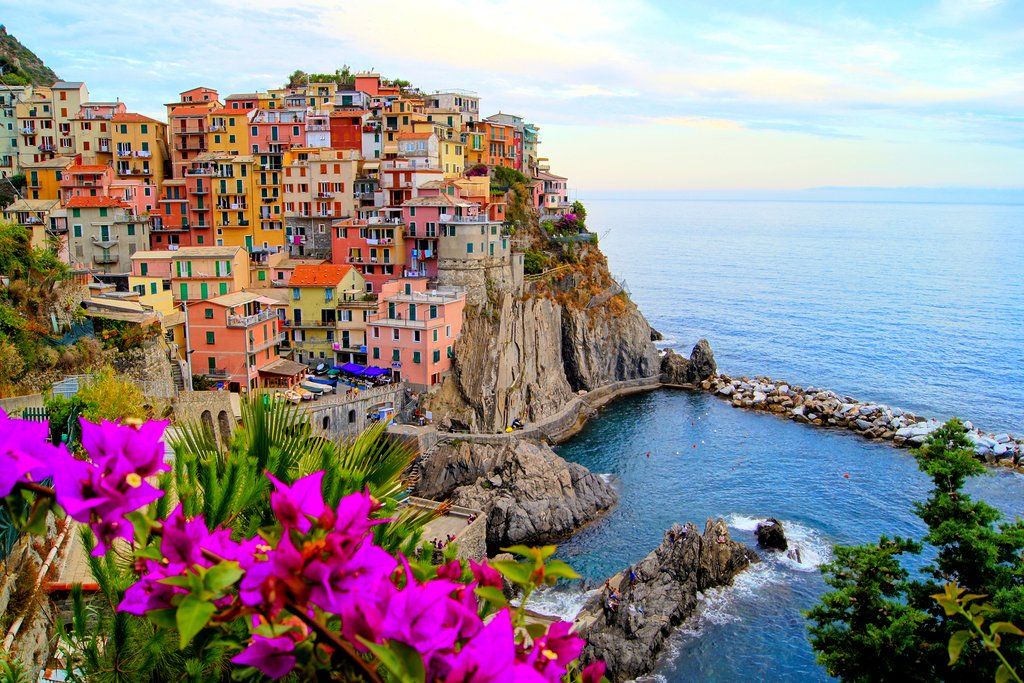
    This is Riomaggiore, the eastern most village of the Cinque Terre

    Cinque Terre is a string of five centuries-old seaside villages in the far east of the region. In each, colorful houses and vineyards cling to steep terraces, harbors are filled with fishing boats and trattorias turn out seafood specialties along with the Liguria region’s famous sauce, pesto.

    As quintessentially beautiful as this place is, we felt that the area is a victim of its’ own success; even in the comparative low season it was heaving, and prices were sky high.

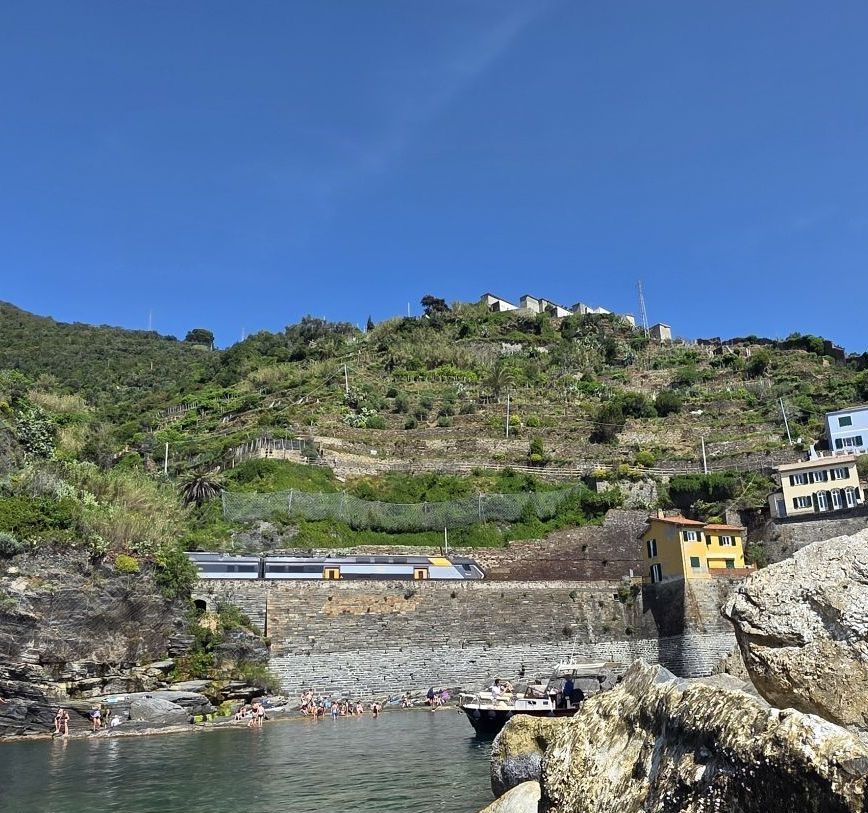
    The only way to access the Cinque Terre (to avoid treacherous hairpins) are by boat or rail, via the southern port city La Spiaza. Here, the train arrives in Vernazza, and the rest of the journey along the coast it spends exclusively in tunnels
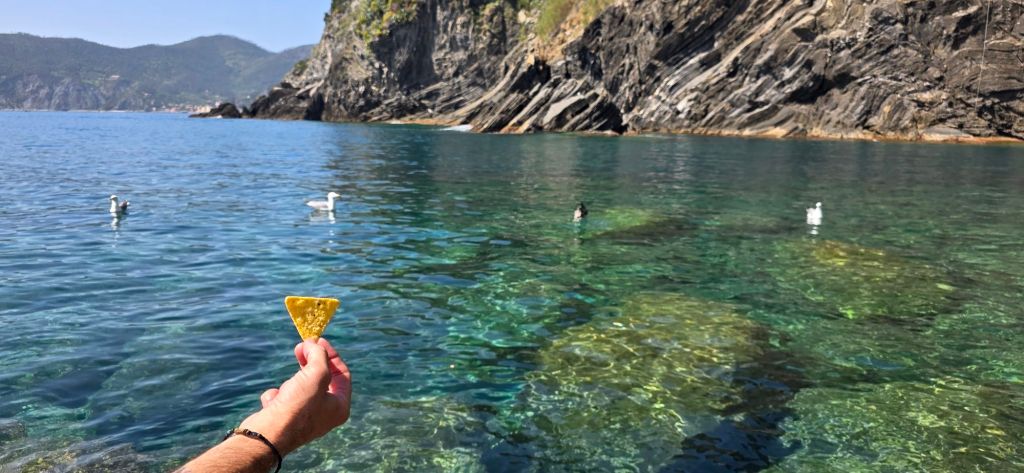
    We hid on some rocks and fed the fish tortilla chips, before jumping back on the train. We attracted the wrong crowd and a bird shat on my shoulder

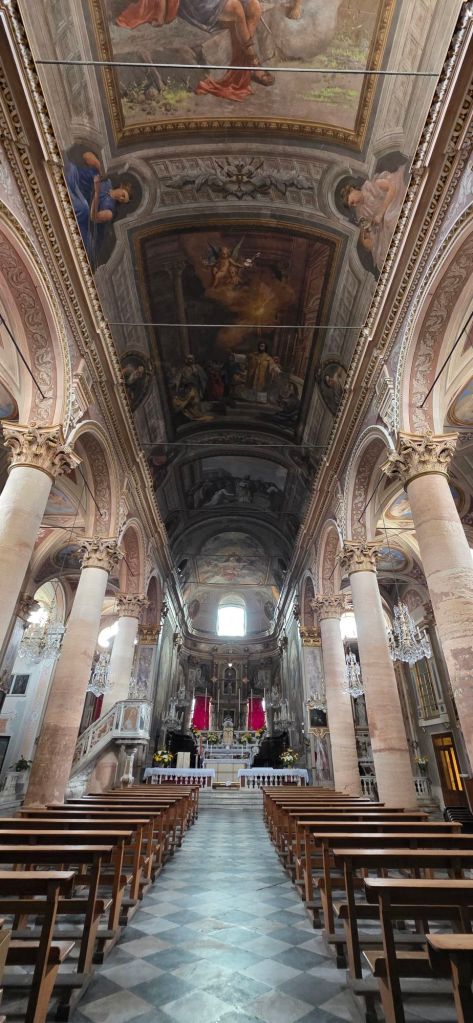
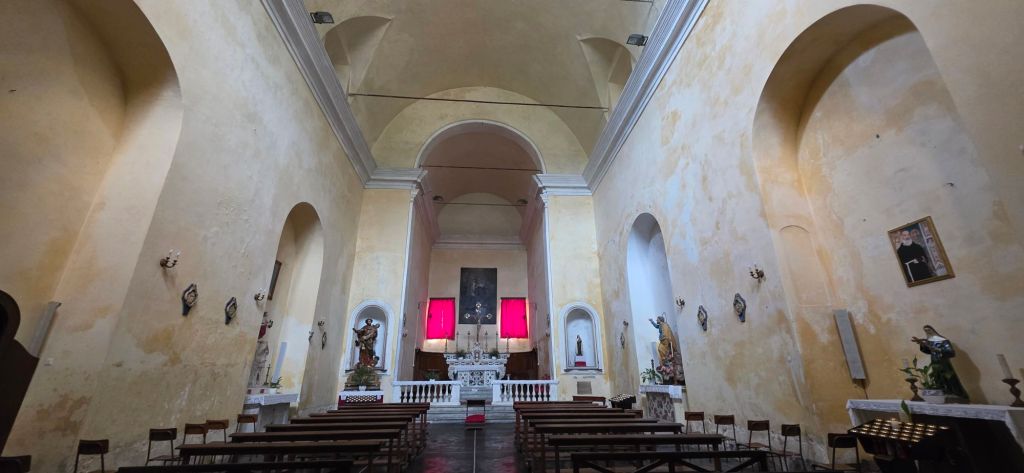
    In this deeply religious country, where 70 to 80 per cent of the population identifies as Catholic (although only about 20 per cent actively practice) there are sometimes three or four churches in villages with a population of a couple of thousand. In the hilltop village of Toirano, for example, a guilded Baroque church sits almost next door to the more austere Protestant-style church.

    San Martino Church was built at the end of the 16th Century, and its Baroque style encapsulates the Renaissance period
    Madonna del Rosario Chrurch was built in 1481; its plain design reflecting the Gothic building style of the time

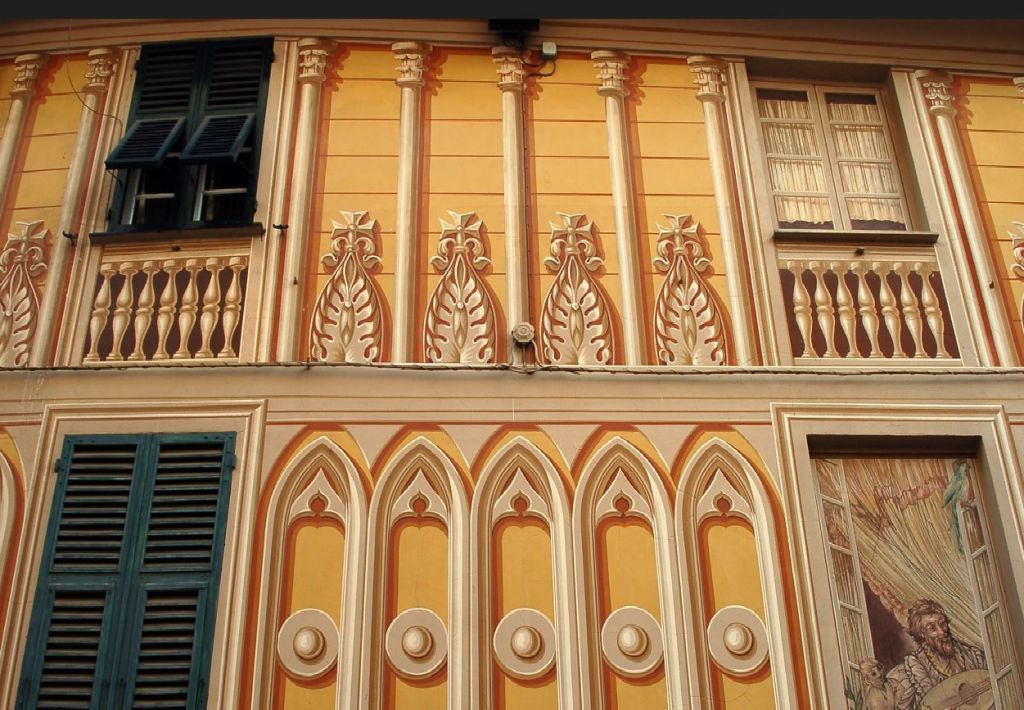
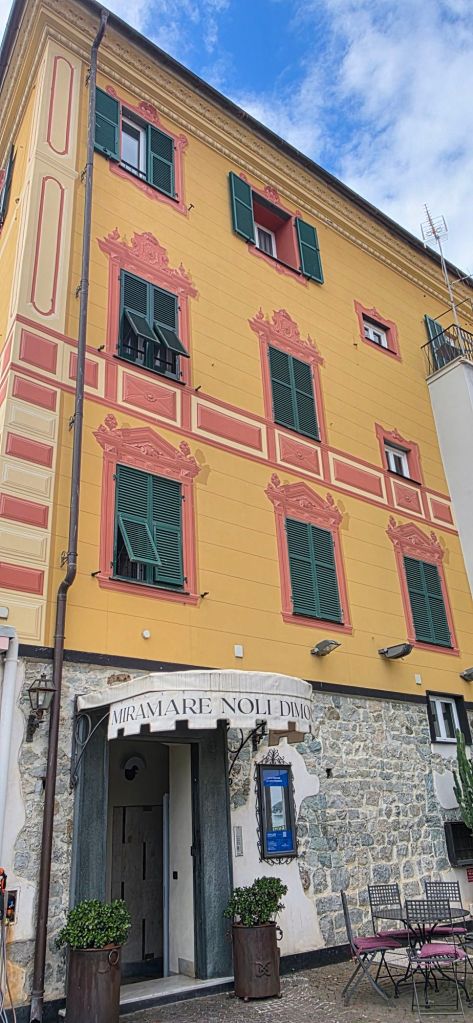
    Another notable architectural feature of the area includes buildings covered in elaborate painted designs. Windows, shutters, columns, and marble carvings that look real from a distance often turn out to be completely flat paintings.

    In the 18th and 19th centuries, there were taxes on luxury items including numbers of windows a house had, or the use of expensive materials. Instead, homeowners in Liguria bricked up windows and hired a painter to paint fake shutters and columns
    Painting “3D” architectural features allowed residents to make their narrow houses look wider and more majestic without actually changing the structure or encroaching on the tiny streets
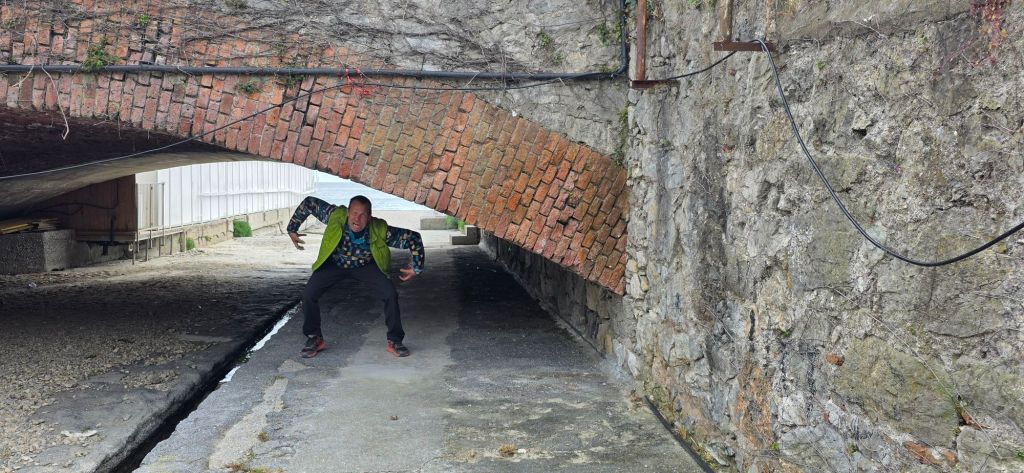
    The local troll asked for a kiss to let me pass. He’s cute, but I think I’ll take the long way round

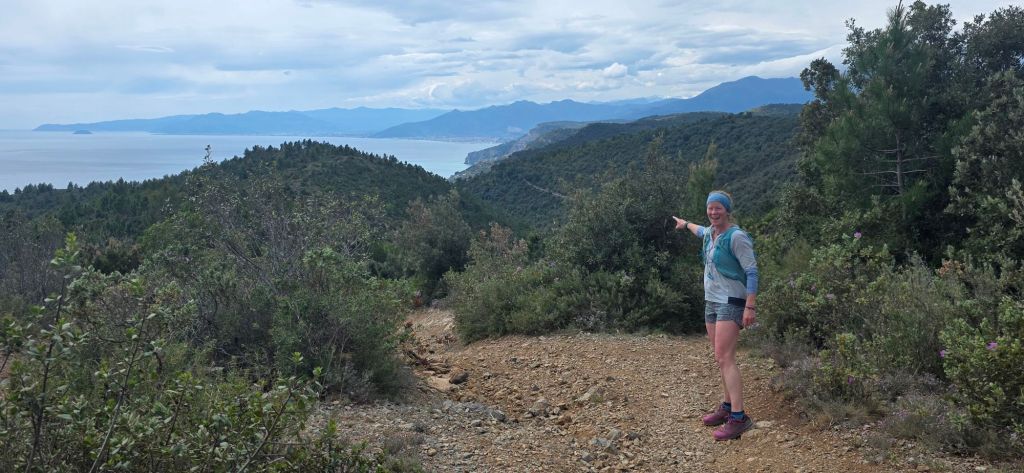
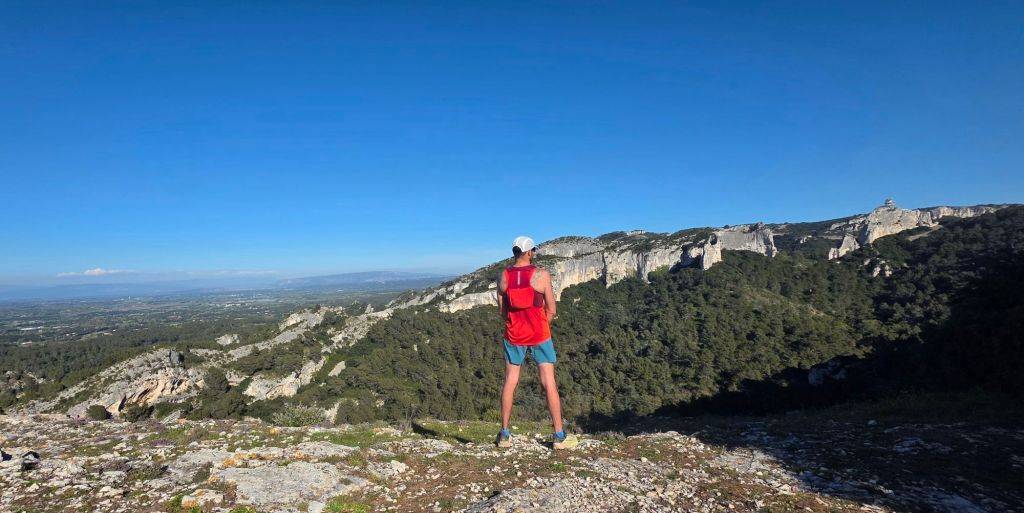
    Running around Finale provided some amazing views down the coast.

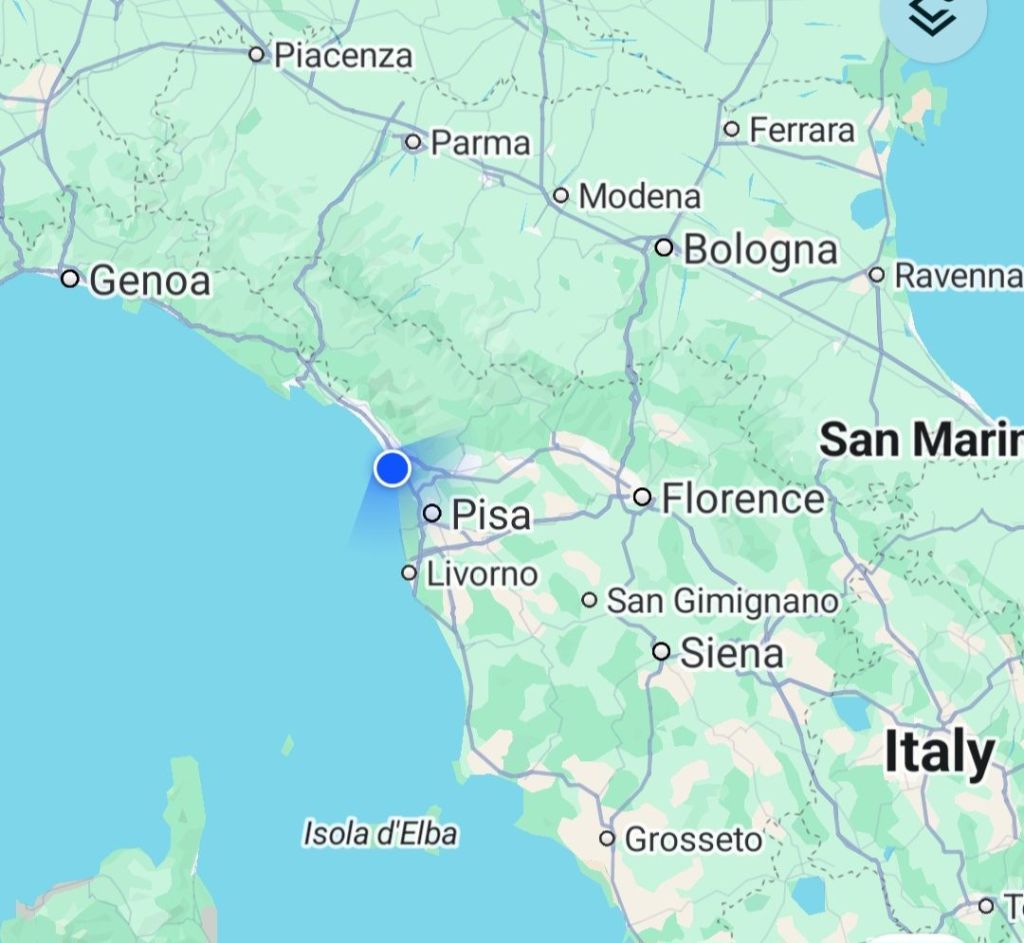
    Yesterday evening we arrived in Viareggio, a coastal resort town in Tuscany, half an hour’s drive north west from Pisa. Established in the 16th Century, it has a population of about 60,000 and is famous for its annual carnival. The views here across the Alps are spectacular, and the huge sandy beach rugged and wild. Having spent a while on the Ligurian coast punctuated by well-manicured medieval villages, tiny beaches, dense woodland and precipitous cliffs, it was a welcome change of terrain.

    Behind the town, the Apuan Alps tickle the clouds at an altitude of almost 2,000m

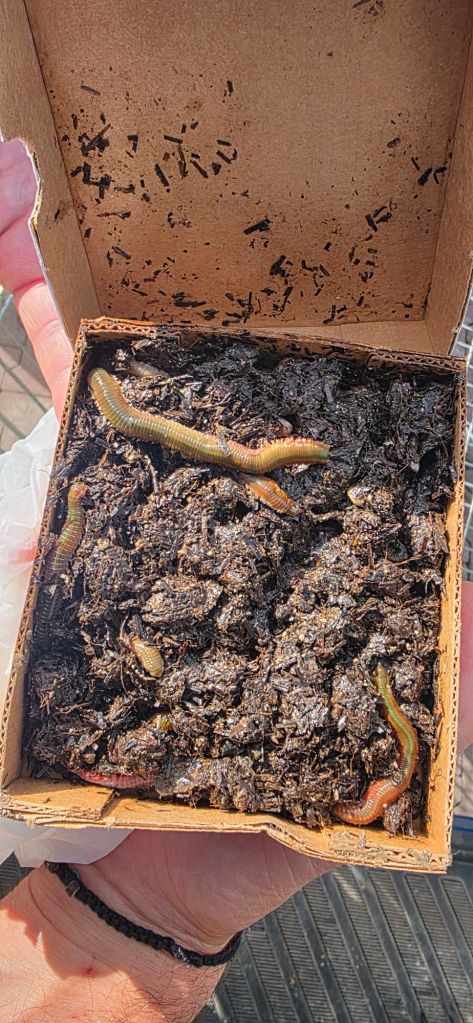
    Jem has applied for his local fishing permit and went to the local suppliers for some bait, expecting a tub of pellets. The shop owner insisted that live Korean lugworms were the only possible option, and now we are flat sharing with these wretched wriggling beasties. They are indestructible and still alive after Jem put them in the freezer section of the fridge by mistake for two days. Who would be a fisherman!! 🤢

    We have named them Brutus, Julius and Caligula and they are now part of the team

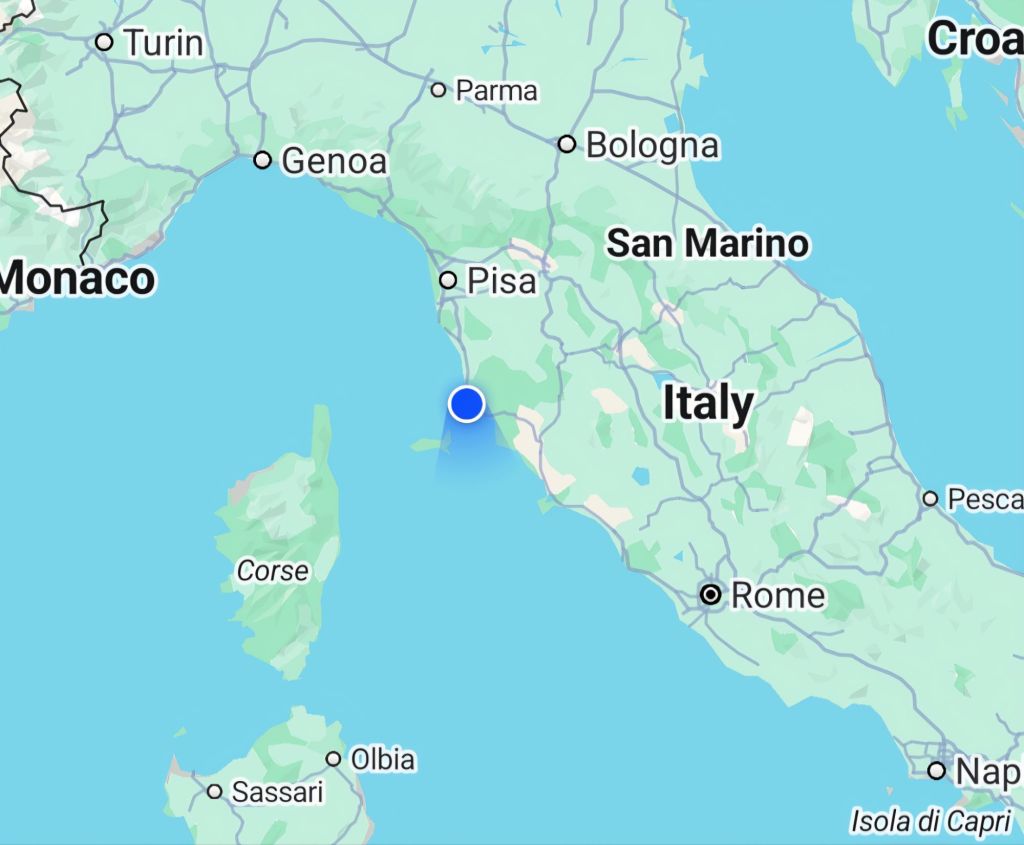
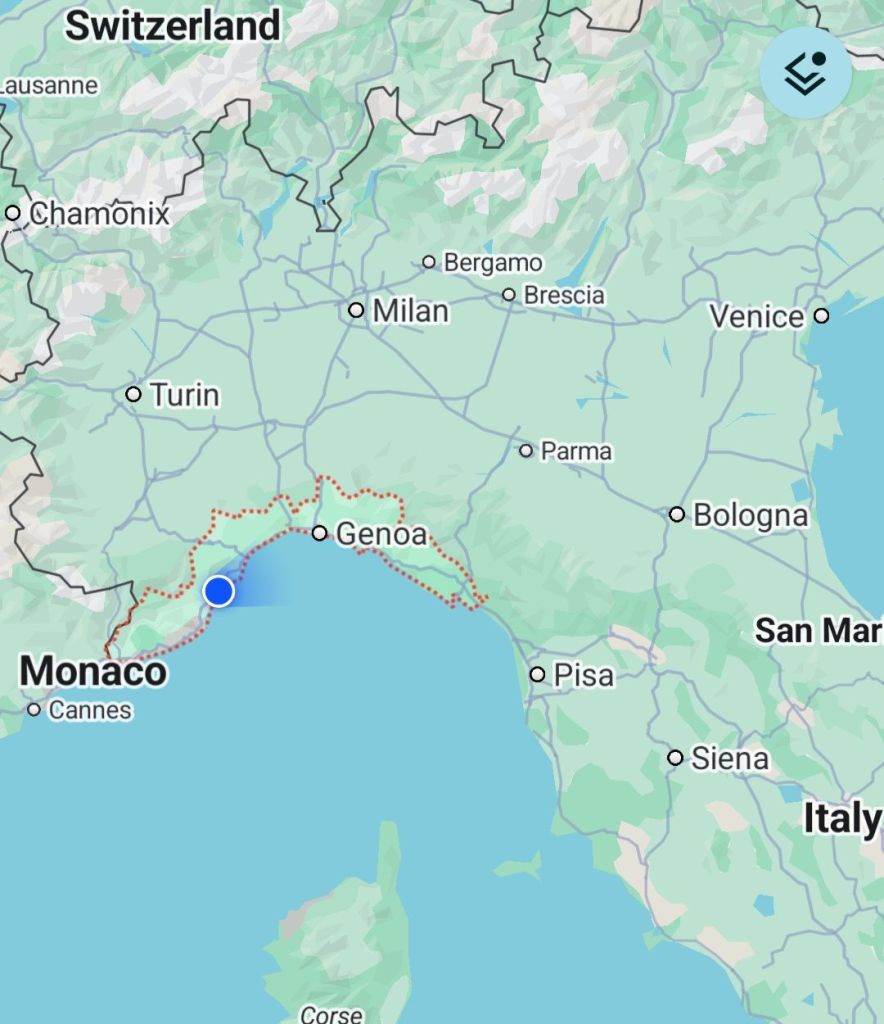
  • The region of Liguria, highlighted in red, is also known as the Italian Riviera. We are currently in the west, in Loano near Finale. The east side of Liguria is more swanky and competes with the Amalfi Coast for bling factor

    Buongiorno from Liguria, a rugged limestone coastline that sits in front of a mountain range reaching up to 2,650 meters in altitude. That’s quite some height compared with Scafell Pike, England’s highest mountain, which reaches just 978m. The dramatic verticality, where the Alps and Apennines seem to dive straight into the Mediterranean, provides endless running and climbing opportunities.

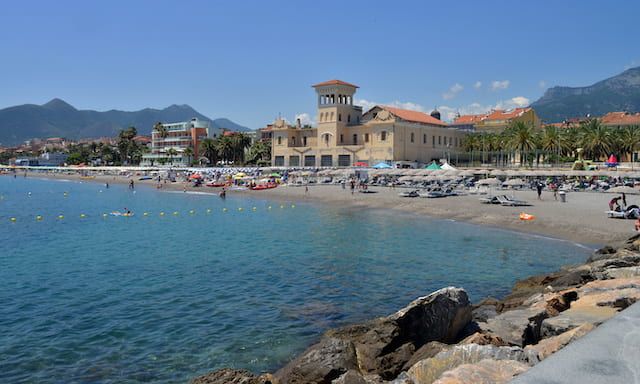
    Loano sea front
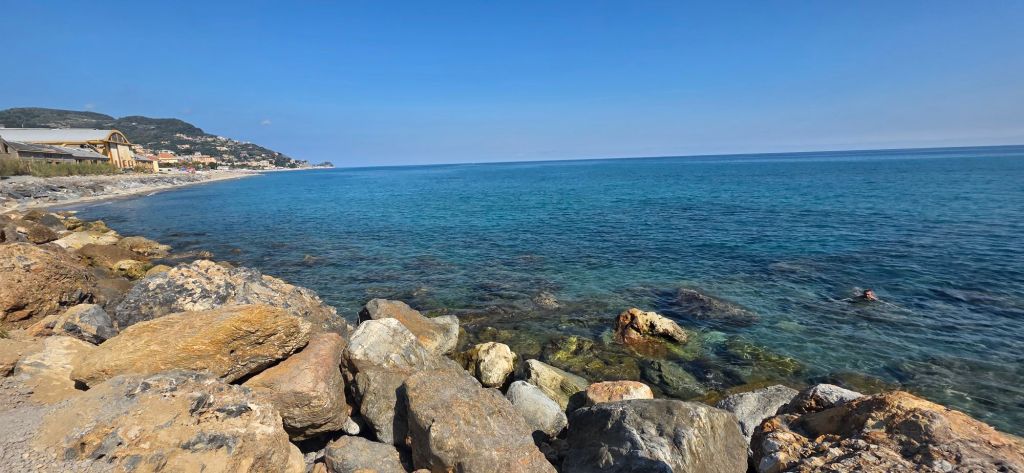
    Jemmy Bean having a swim in Finale

    Every few miles a seaside town, often at the bottom of a steep hill covered in hairpin bends, provides a historic centre, a ubiquitous Lidls, and a beach – sometimes pebbly and sometimes sandy.

    Italian and proud!

    The towns vary greatly in personality, from high-end boutique shopping centres where trendy couples strut around in Armani, to more edgy agricultural and commercial centres dominated by a larger population of locals and immigrants.

    Finale, about 15 minutes east of us, is a an epic climbing area with a concentration of more than 4,000 routes. Developed and super popular in the 1980s, it is famous for its technical slab and wall climbing. The area later went out of fashion when climbers wanted to get onto steeper Spanish walls.
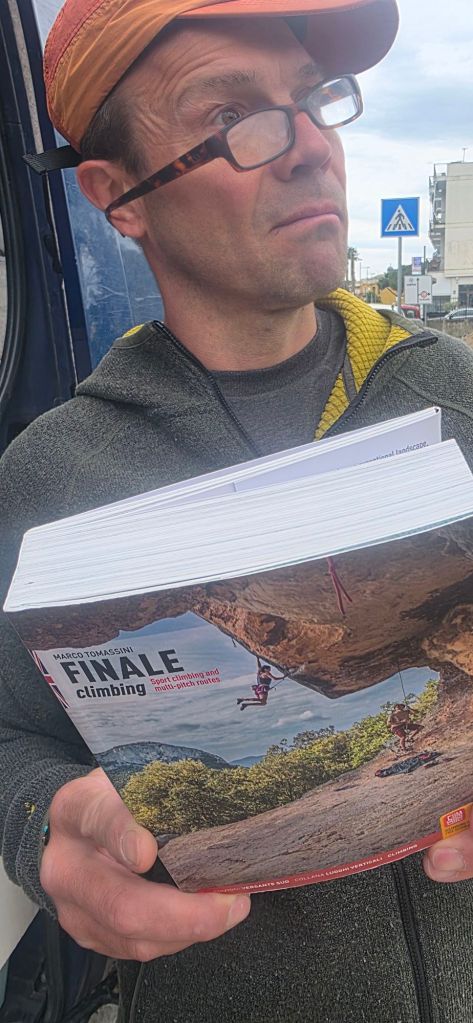
    This weighty tome describes the climbing in just one valley in this region

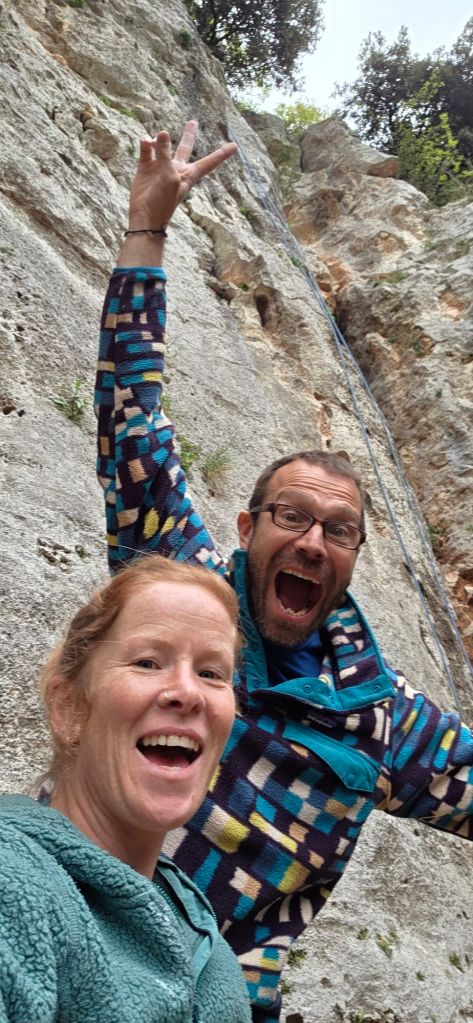
    It was initially quite disconcerting listening to the Italians shouting “die die die” at each other as they climbed, until we learnt it is roughly translated as “go on!”. 🤣

    Finale
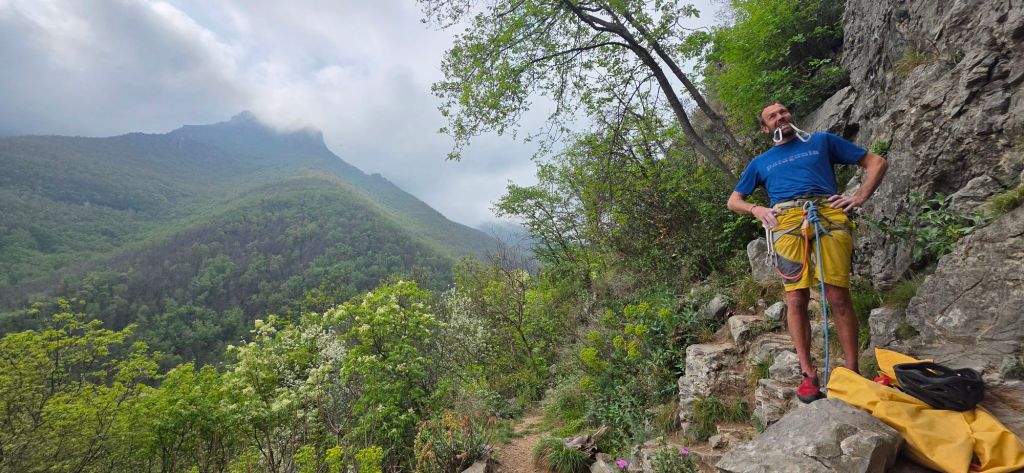
    The 200 crags in and around Finale are set in thick wooded areas and accessible via well maintained footpaths
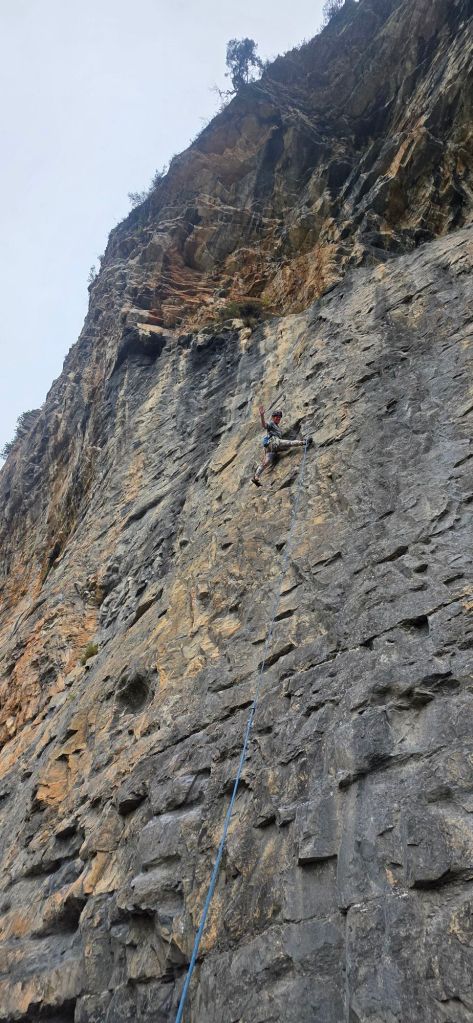
    To the west of Finale, the are two more valleys including Pennevaire, hosting two thousand more routes. The whole region is limestone, but the adjacent valleys feature blocky, soapy and more thuggish routes, compared with the super technical Finale offerings. This photo is me on the easiest route at supercrag Terminal
    Climbing as far as the eye can see

    The urban area of Finale is really beautiful, with one of “Italy’s best preserved historical centres” Finalborgo up the road – a walled regional capital in the 12th century. Although jaw droppingly stunning, it was packed with tourists and outdoor enthusiasts, particularly mountain bikers.
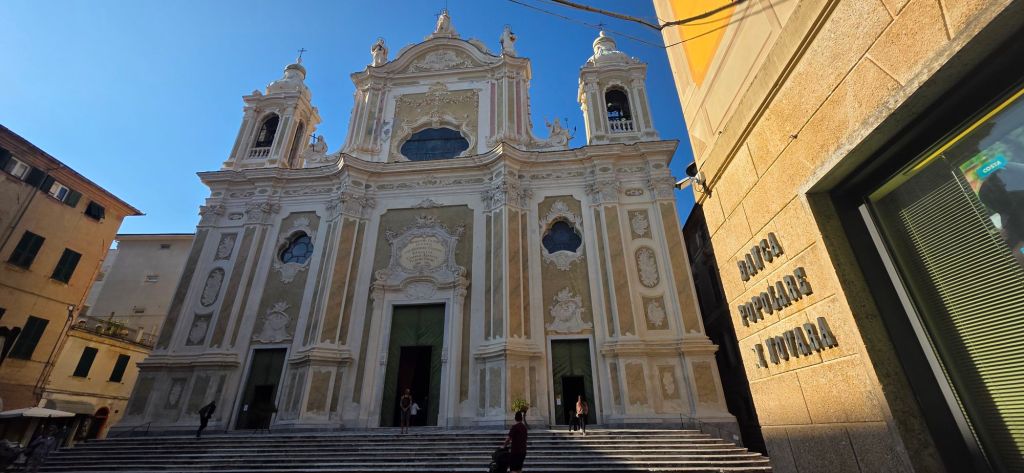
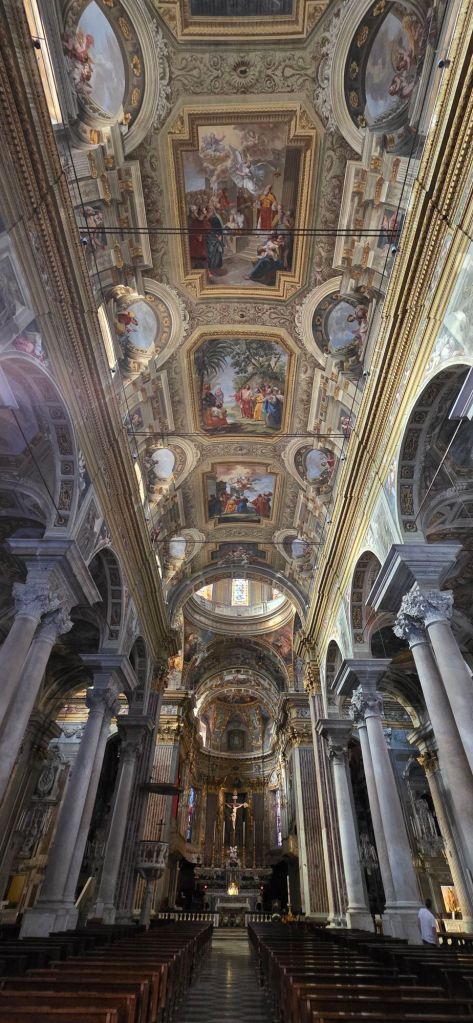
    San Giovanni Battista church in Finale. Considered one of the most artistically beautiful baroque churches in the Savona and Liguria area, its construction began in 1619 with building work that lasted for fifty-five years

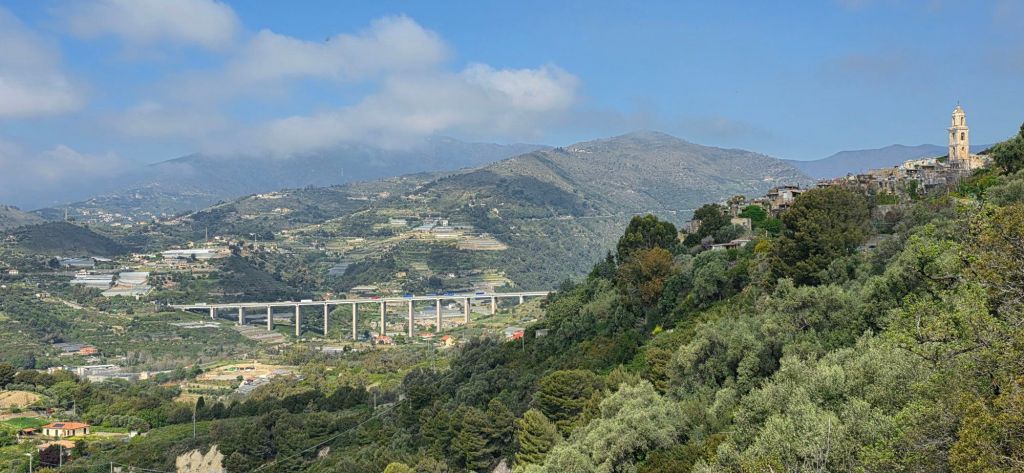
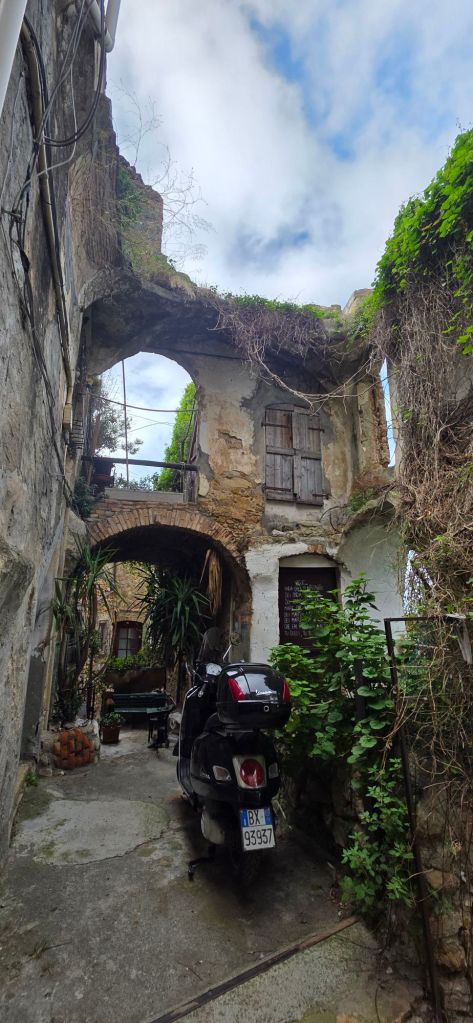
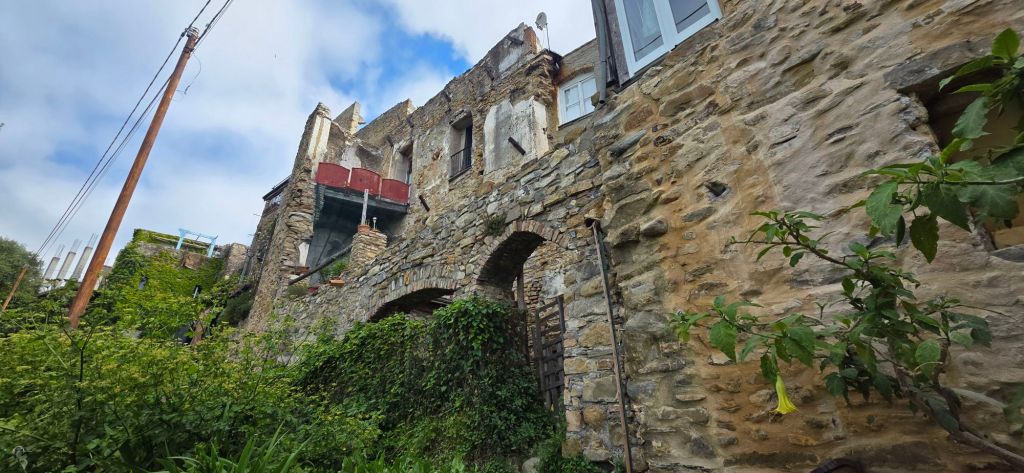
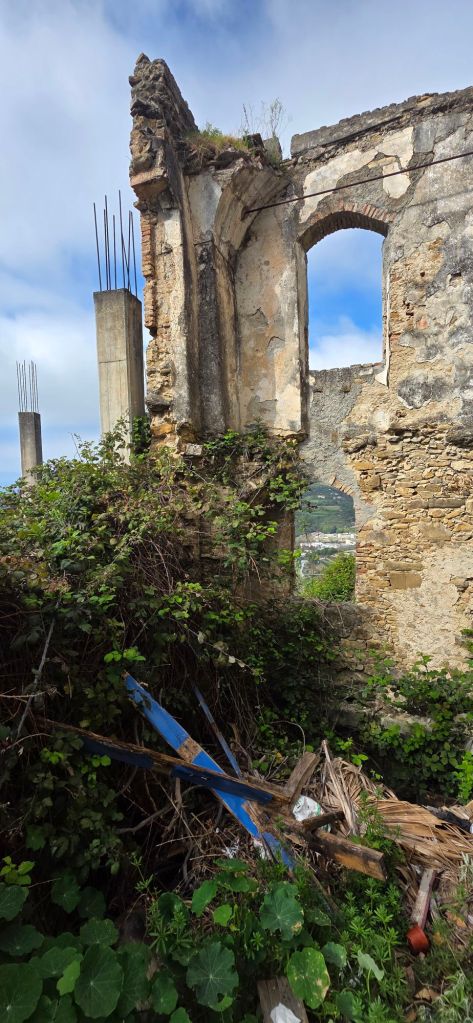
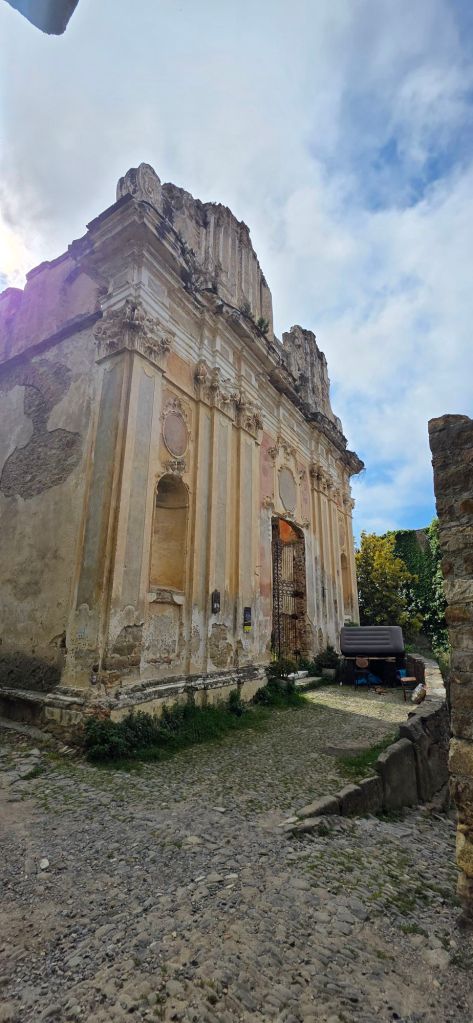
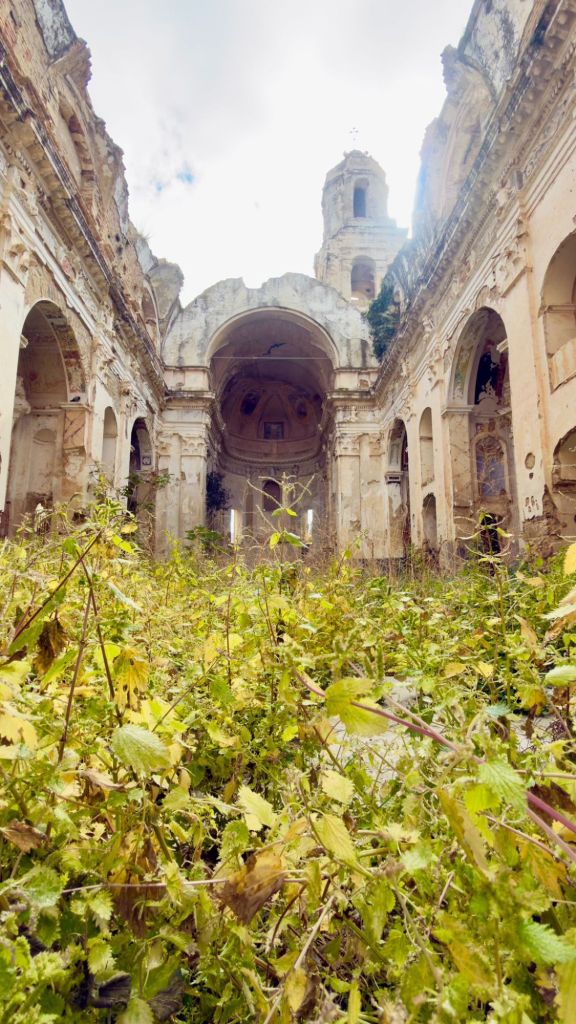
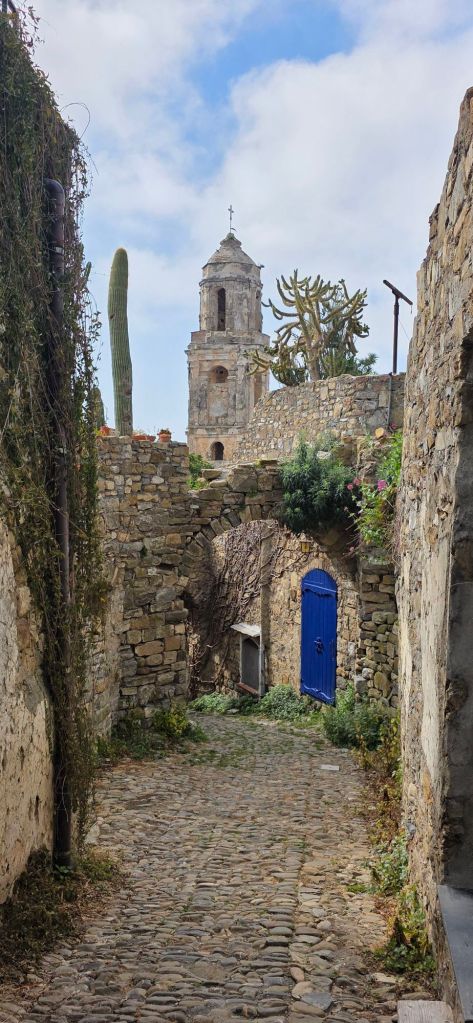
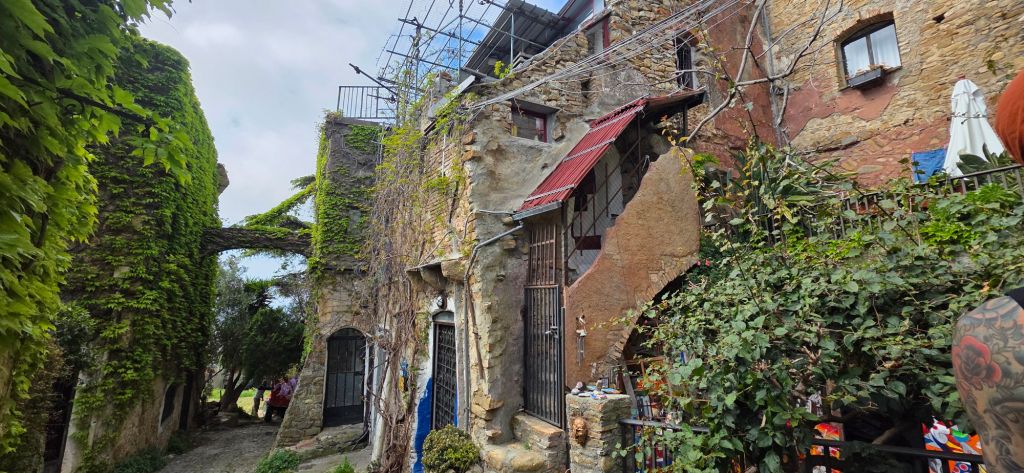
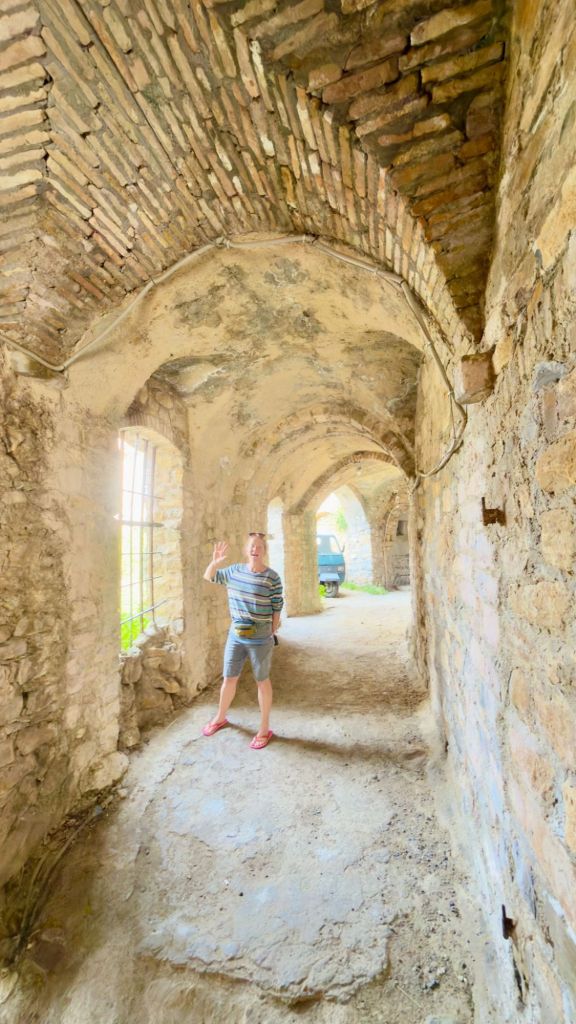
    On our way here we visited an old ghost town Bussana Vecchia, evacuated 1887 when a massive earthquake struck the region. The damage was so severe the Italian government declared it uninhabitable. It lay empty for decades before international artists took over the village in the 1960s, effectively as squatters. Now, it is being renovated, mostly funded by the artists themselves.
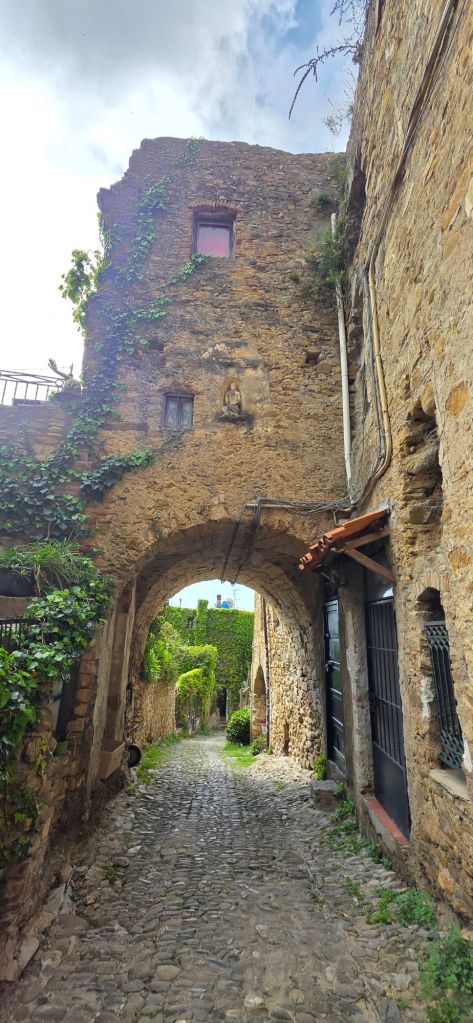
    The village is on top of the hill on the right hand side

    On our way back we found that the main road was closed and decided it would be a great idea to take the weaving hairpin bends over the valley. If we have nine lives then I am surely in deficit by now. Vertical drops, no barriers, crumbling tarmac and precipitous bends that required a 5 point turn provided us with more excitement than we wanted. When we got down we both had a little cry.

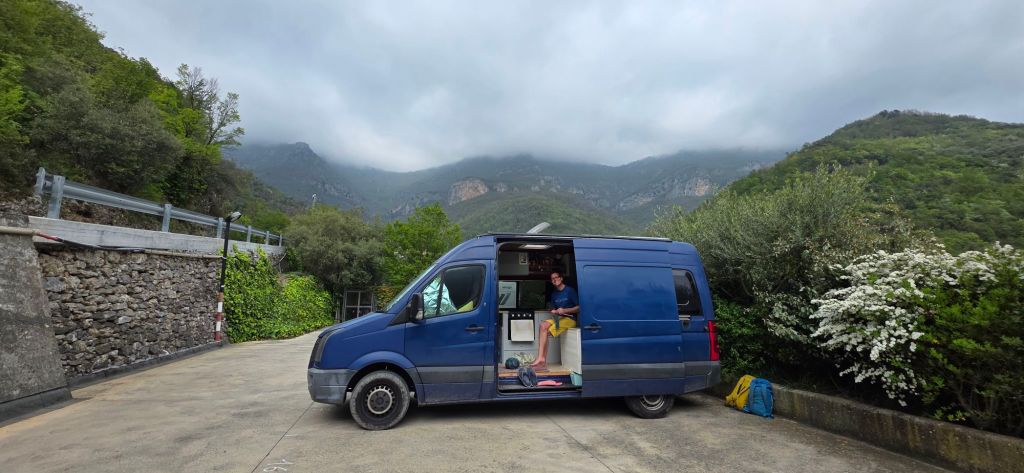
    We took shelter in Pennevaire valley for a couple of days to get over the trauma
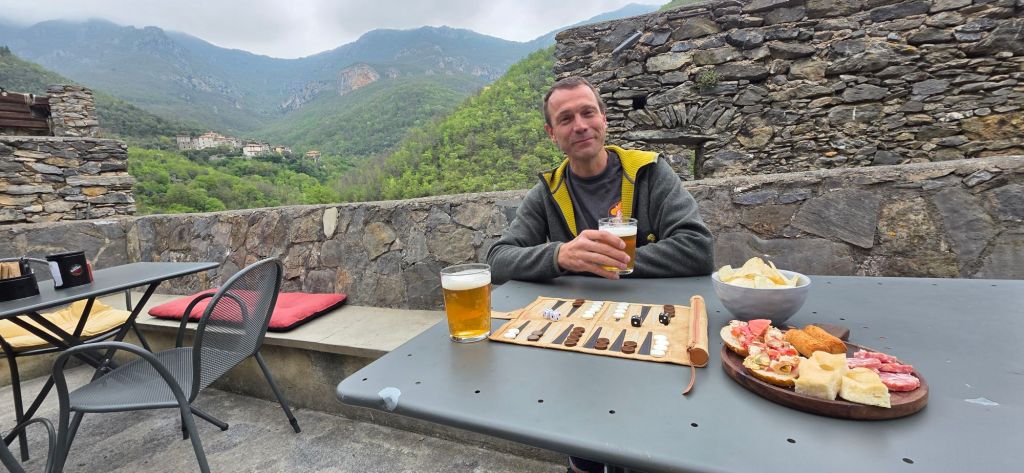
    Backgammon took our minds off our near-death experience

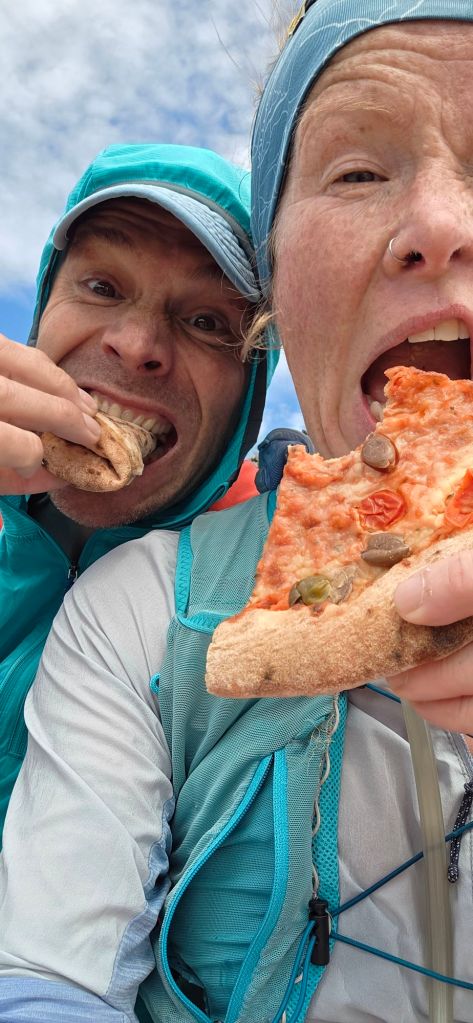
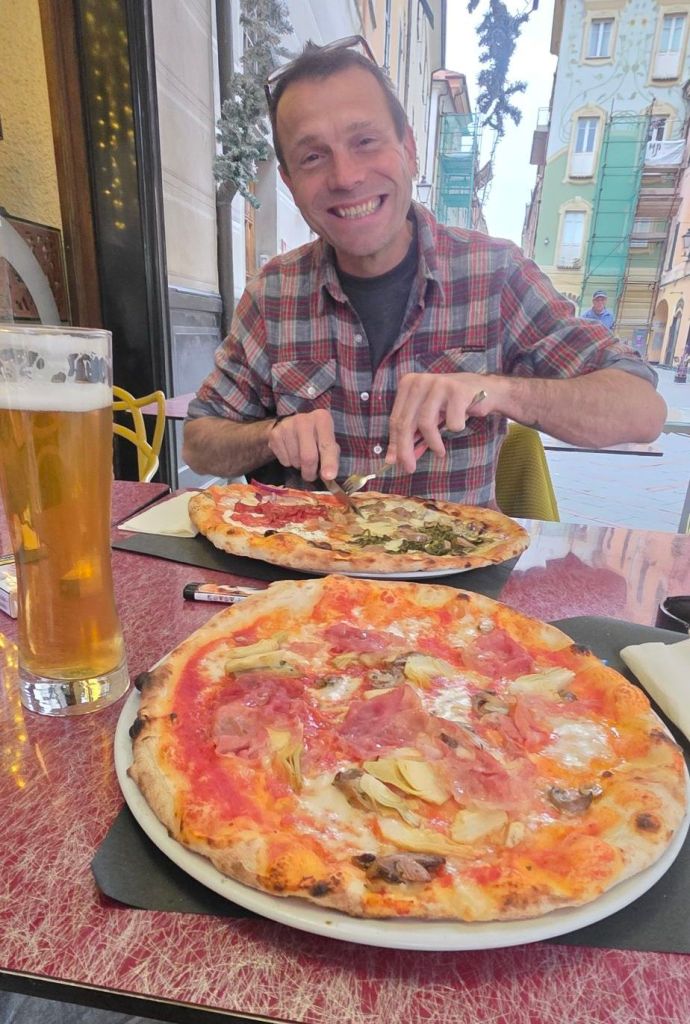
    Overall we have loved being in this area. Last night we finally got out to have a real pizza. We have learned enough Italian now to really confuse folk and last night the restaurant manager spent quite a lot of time creating a VAT receipt for us when we just wanted the bill.

    Really awesome pizza. They take their pizza so seriously here you have trouble finding fresh pizzas in the supermarket. Only the best will do!

    We plan to stay here for a couple of days, do some more climbing, before heading east to briefly visit the posh bit of the coastline. We hope everyone is well at home. We miss you ❤️ 💙 💜

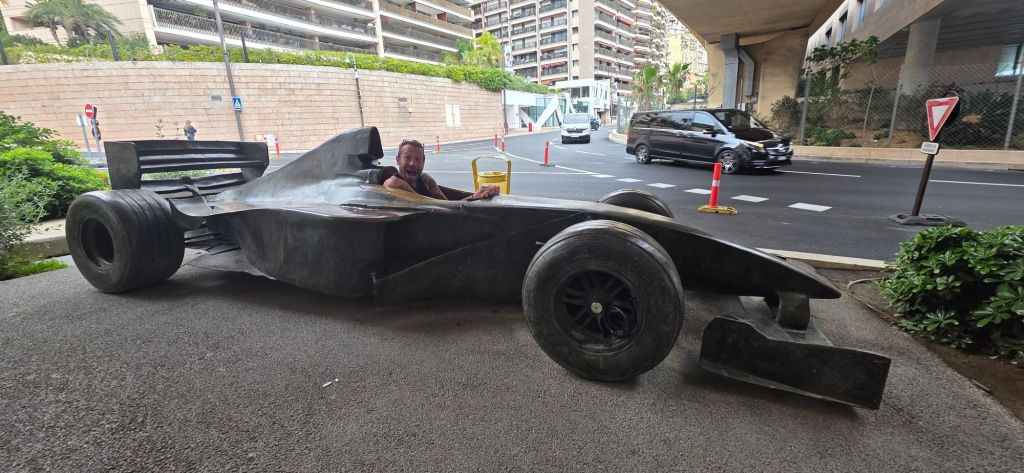
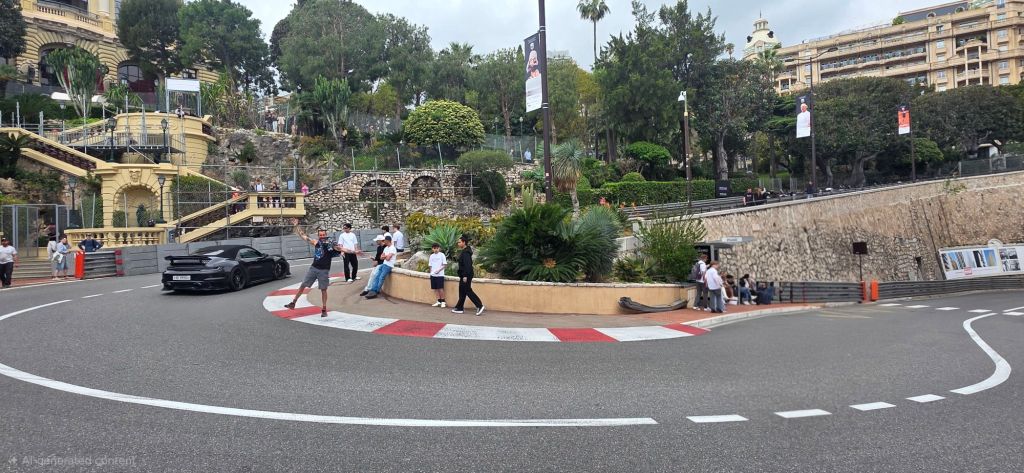
  • Murray Walker’s famed quote really sums up the thrill of visiting the “jewel in the crown” of F1 racing tracks. Snaking through multi-million pound properties, casinos, hotels and yachts of the ultra-salubrious Monte Carlo, the track attracts throngs of visitors even out of racing season.
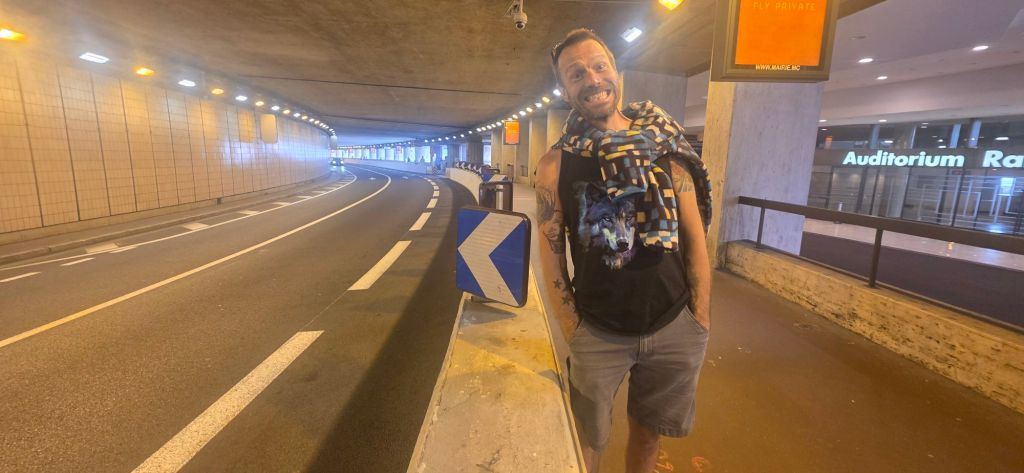
    It was a joy to watch Jem bouncing through the iconic Fairmont Tunnel, and then the Fairmont Hairpin, getting quite emotional.

    Boing!
    There he is making shapes as a Porsche roars past

    In Monaco – the world’s second smallest country measuring in at just over 2 square km – propety prices exceed €50,000 per square metre, and flats can sell for more than €20 million.

    Nestled at the bottom of a super steep cliff riddled with hairpin bends, it is a haven for supercars, plastic surgery, ridiculously fluffy minature dogs whose outfits match their owners, opulent jewellery, and pretentious humans who want to be SEEN.

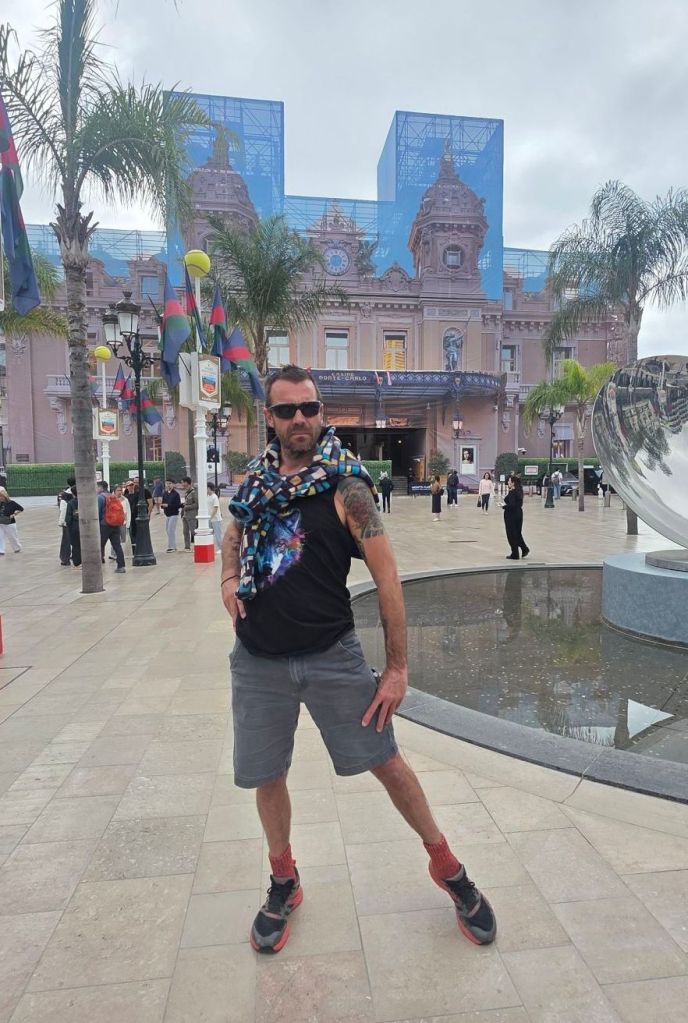
    Who’s THAT guy?? Outside Monte Carlo Casino, the epicentre of glamour and luxury

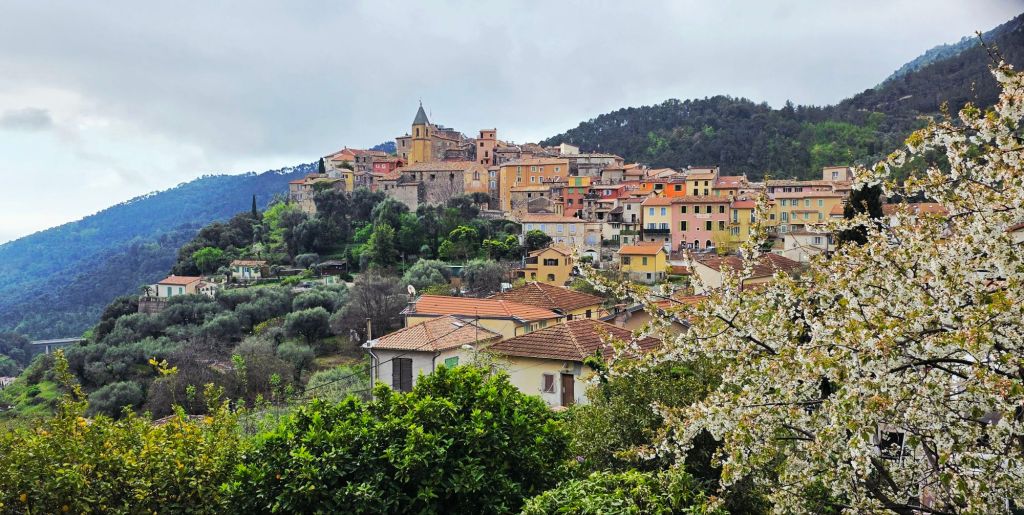
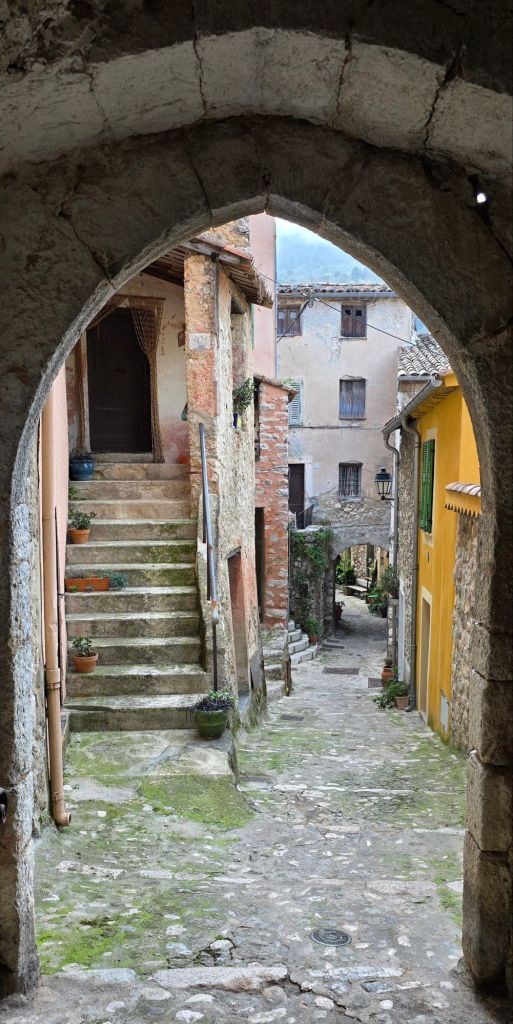
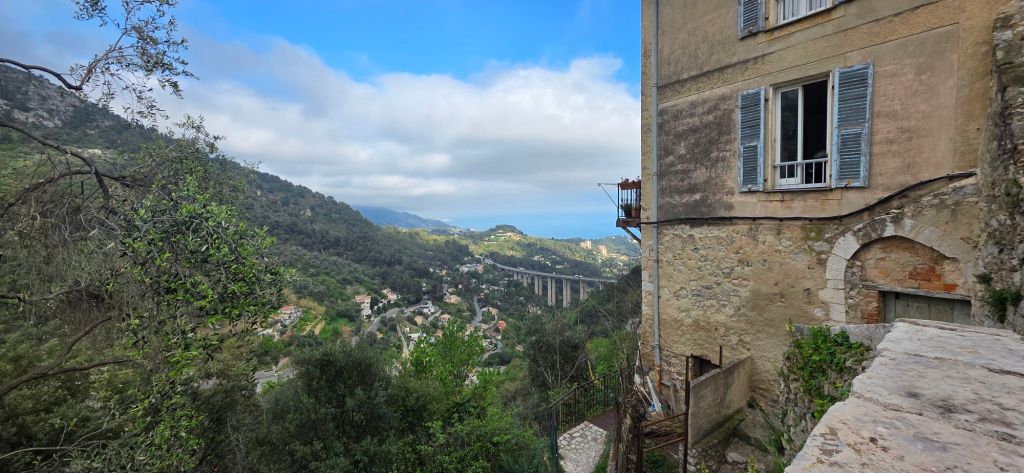
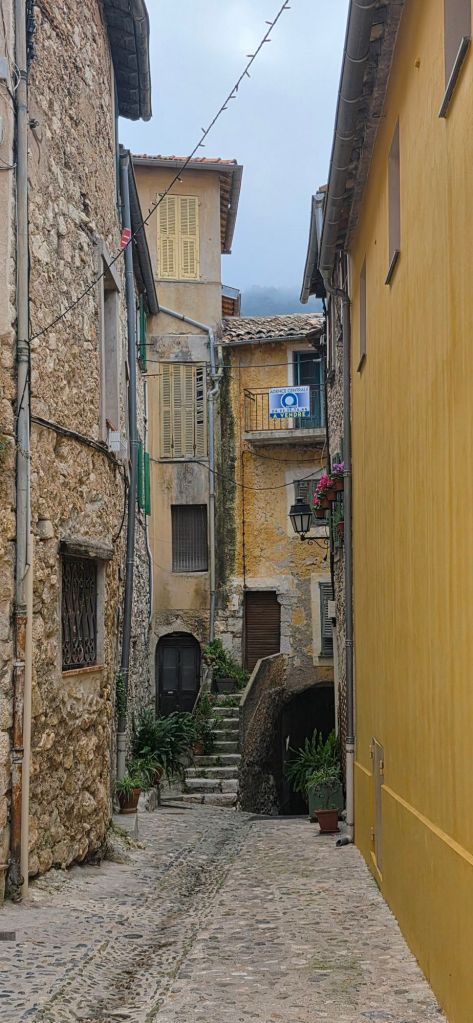
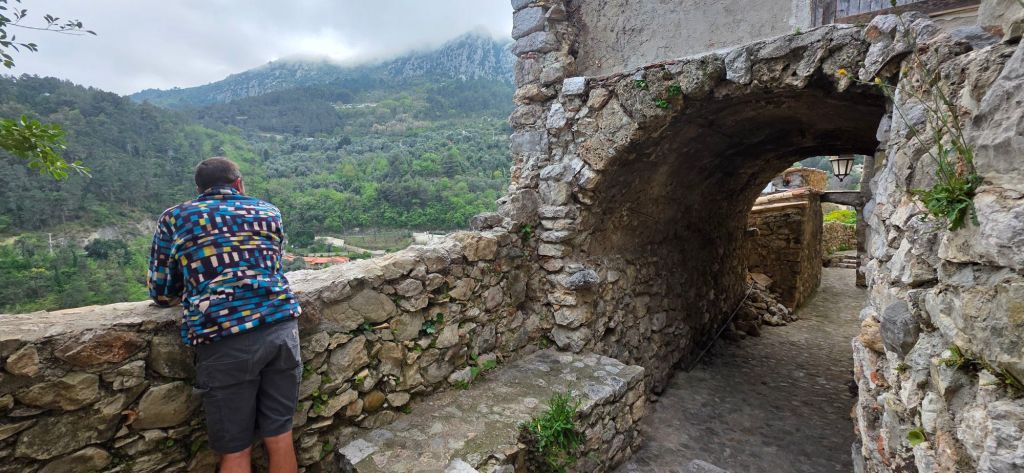
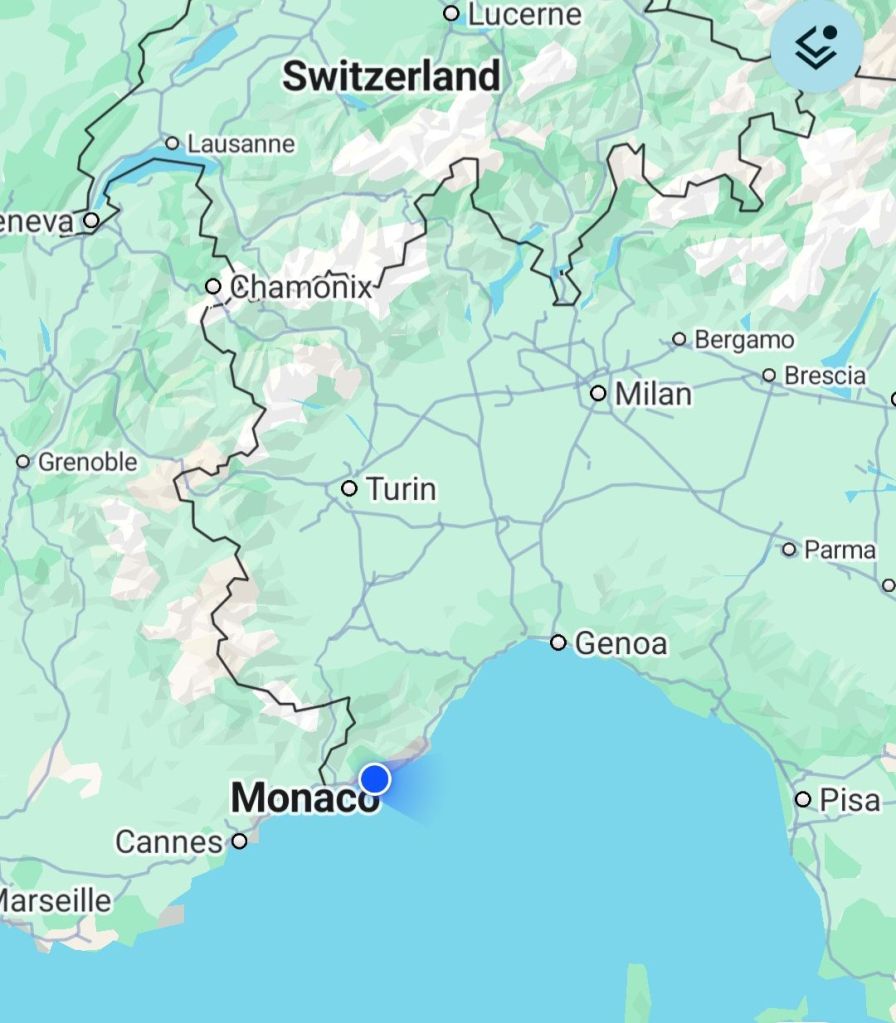
    Thoroughly underwhelmed at the grotesque display of wealth and narcissism, we stayed for an hour or two before heading into the Gorbio. This medieval hilltop village above Monaco, flanked by limestone cliffs, was a true gift.

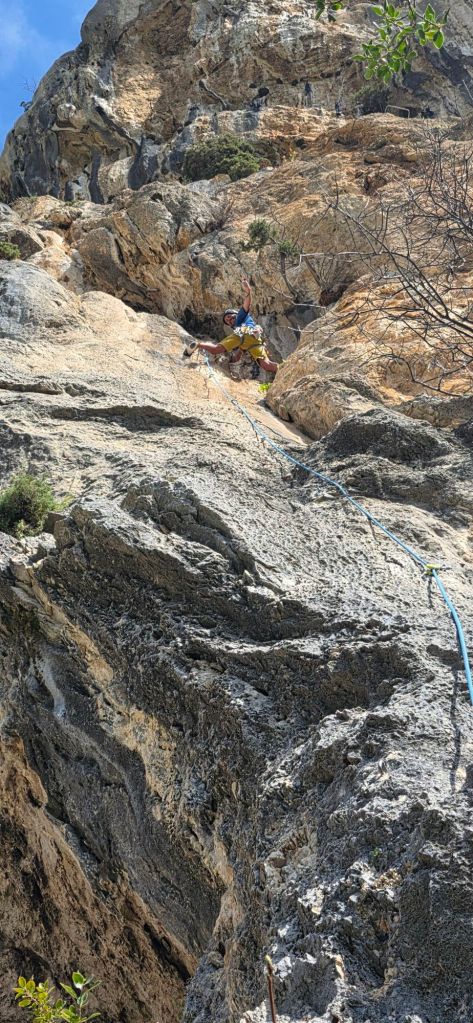
    The climbing was just ok, by European standards, but we met some lovely Swiss and Spanish grimpeurs

    As we leave France, in a nutshell, we can conclude that the French Riviera was not to our taste. With achingly self-conscious and claustrophobic towns, snaking traffic and influencer types abound, it was great for some voyeurism but we think we shan’t stay any longer.

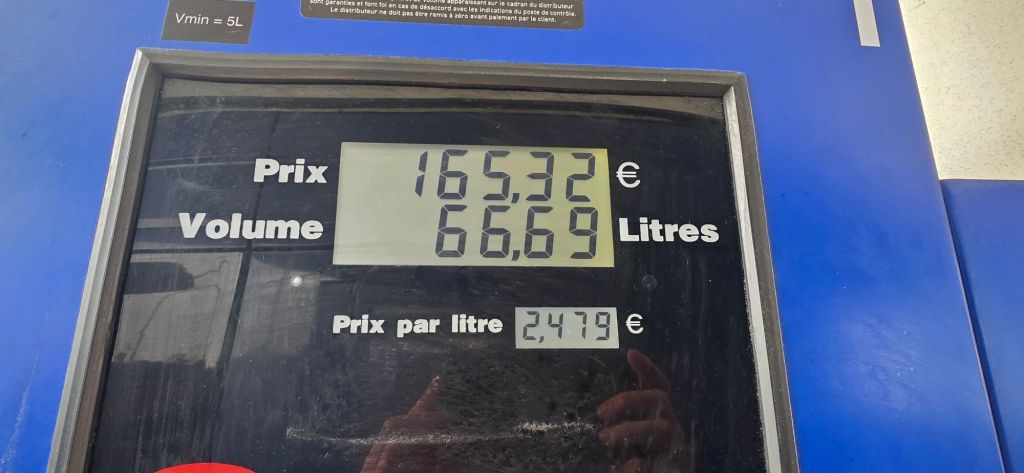
    The petrol stations are also having our pants down

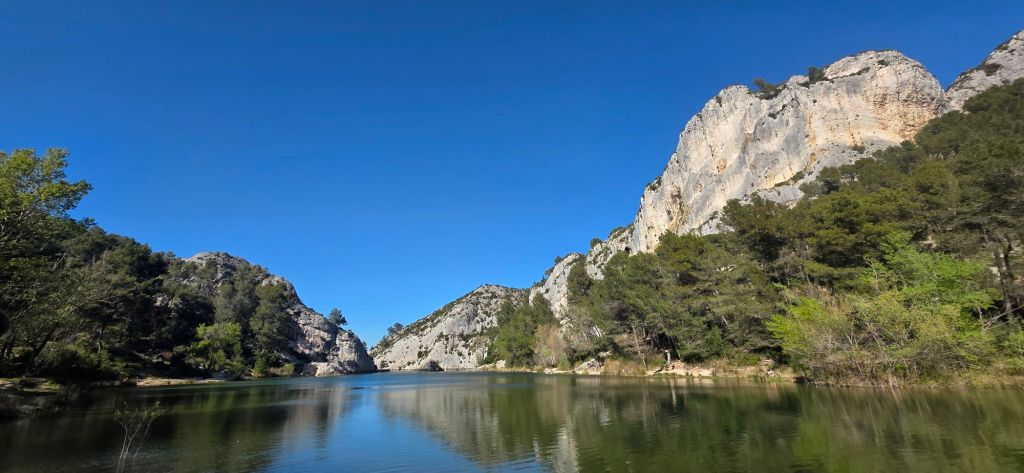
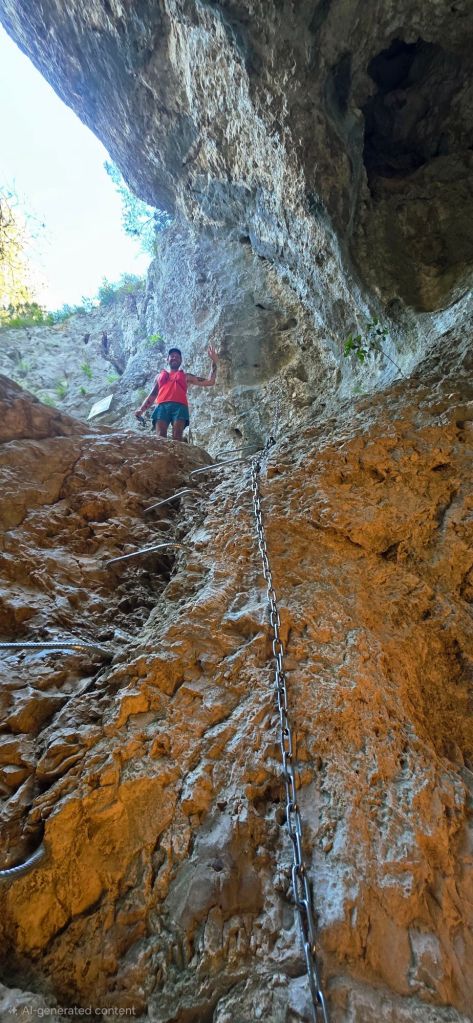
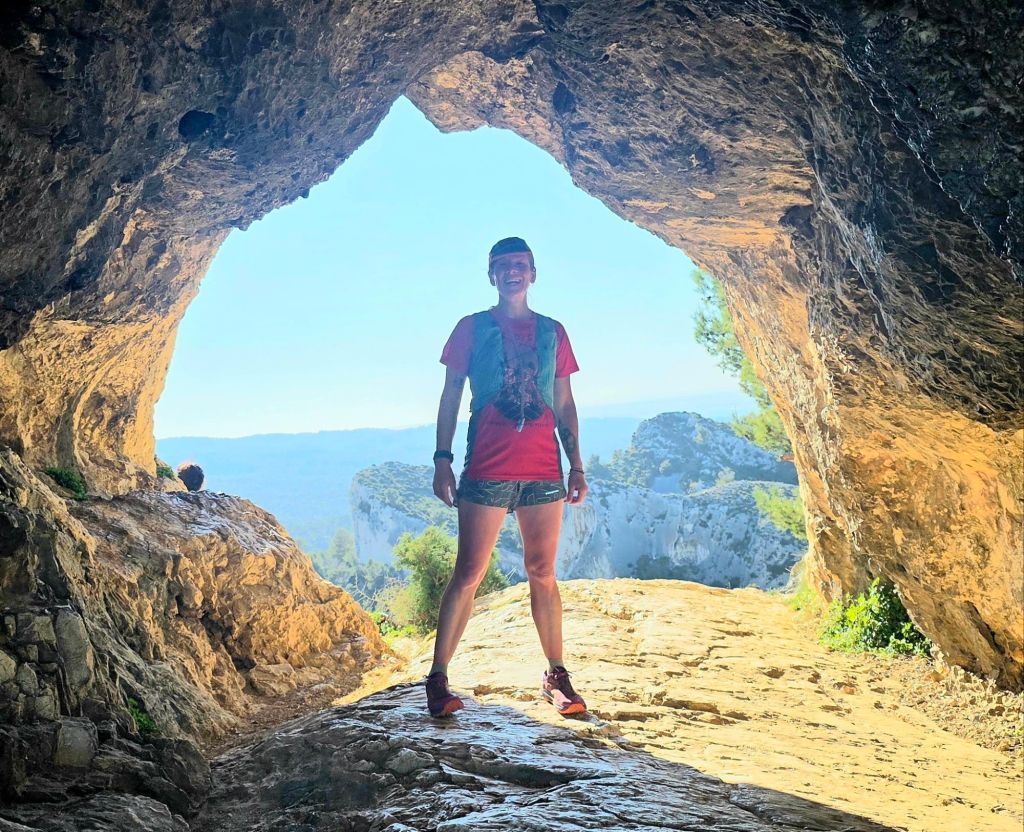
    Similarly, our trip to the famous cliffs of Calanques – a renowned climbing destination below Marseille – was aborted having read about the “car crime epidemic targeting foreign vehicles”. Instead we found some glorious running in the Alpilles national park, where we ended up on some exciting via ferrata by mistake. Hurrah!

    We don’t leave the van without matching outfits these days, apparently

    But no matter – it has brought our entry into Italy a few days nearer, and off we head towards Finale.

    Finale Ligure is one of the hidden gems of the Italian Riviera. Known for its stunning beaches, charming old town, world-class rock climbing, and scenic hiking and biking trails, this Ligurian coastal town offers an exciting mix of culture and outdoor adventure. It even has an annual knitting festival! We are PSYCHED.

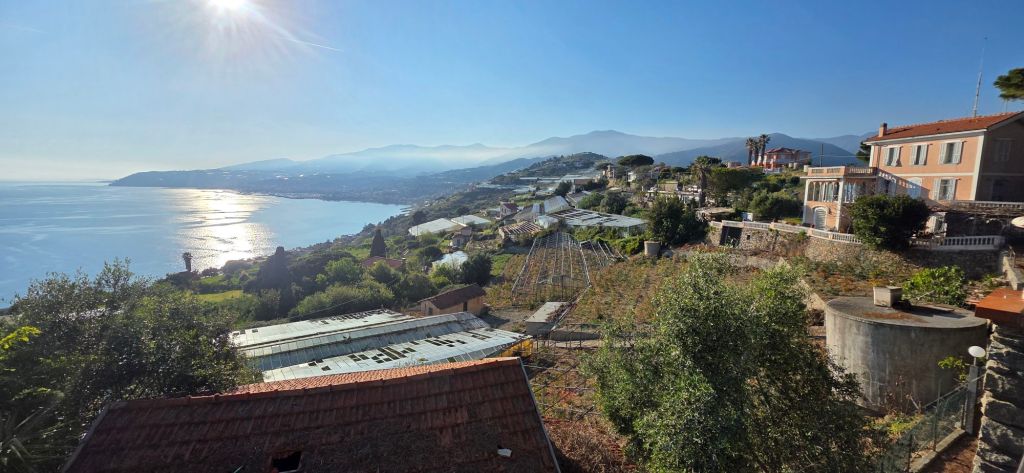
    Views from the van this evening
    In to Italy 😍 🇮🇹
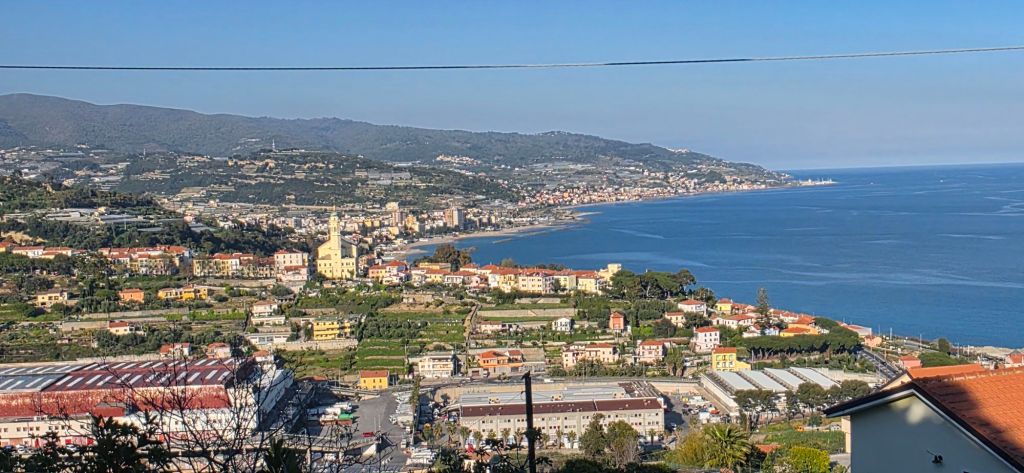
  • The view from the van over the Med coast this evening

    The Côte d’Azur has provided a very welcome moment of quiet after getting embroiled in Spain’s five-day national Easter break, when hundreds of folk rush to the mountains to access the below-the-snow-line walks with the family.

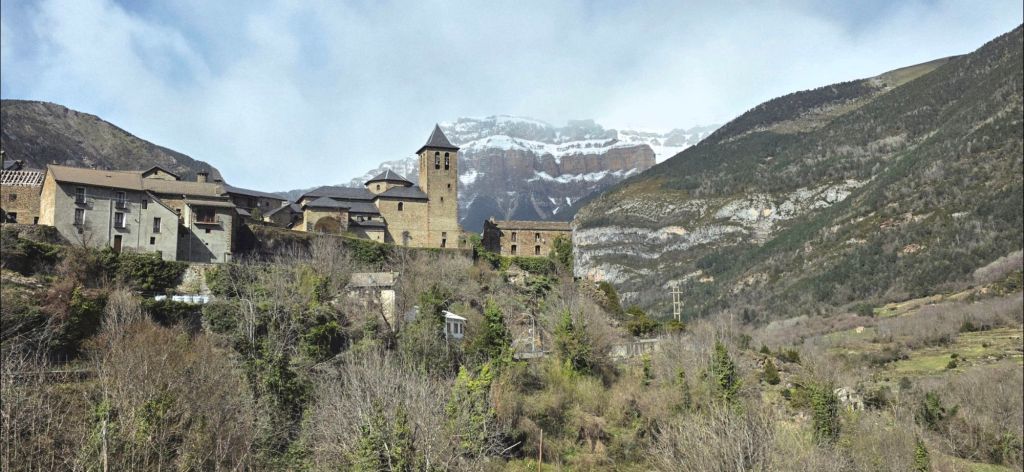
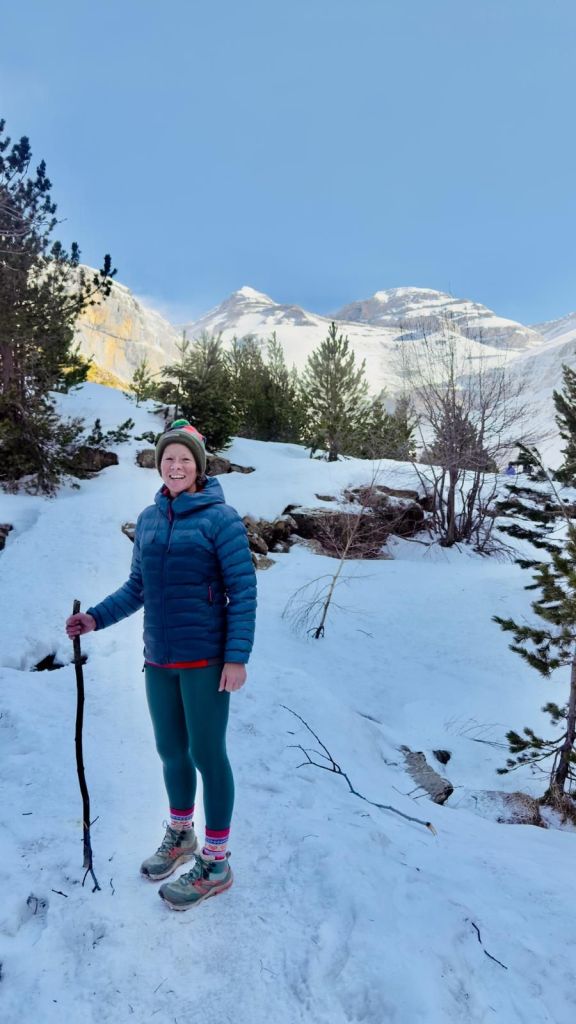
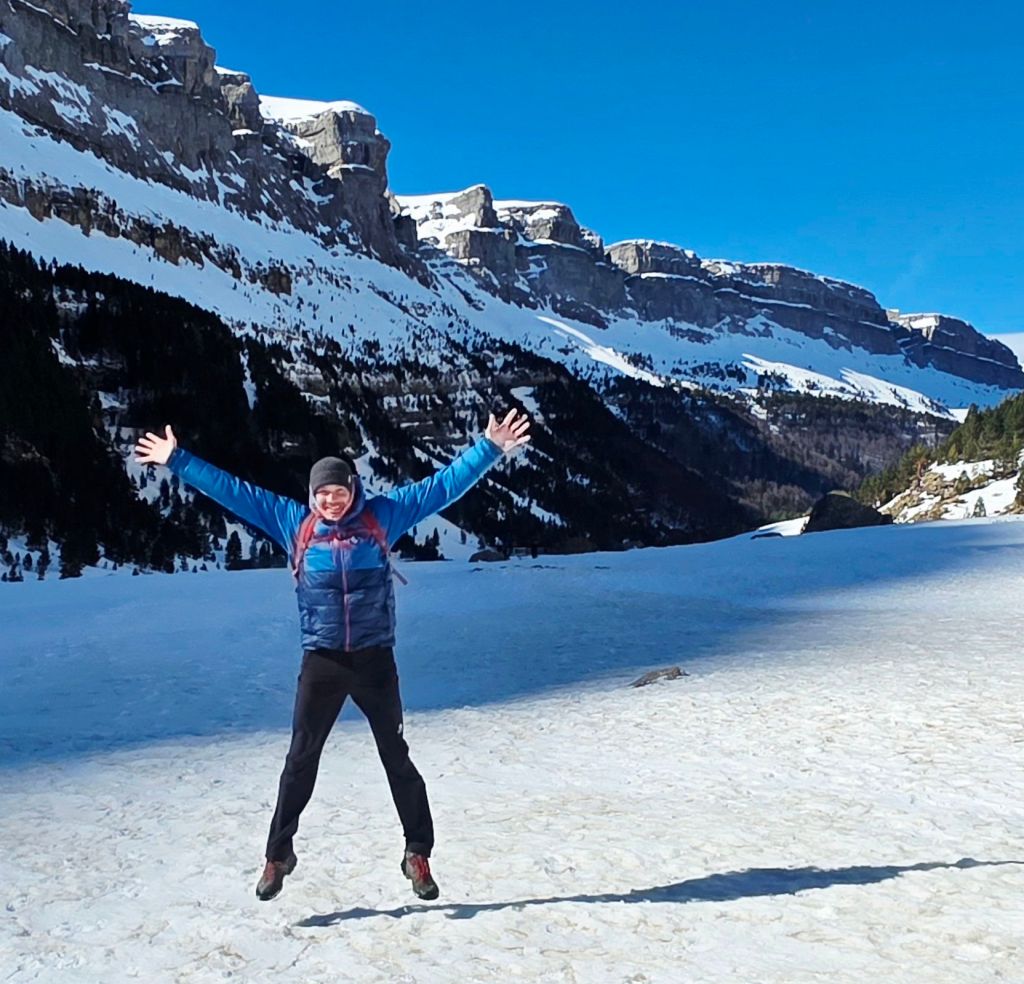
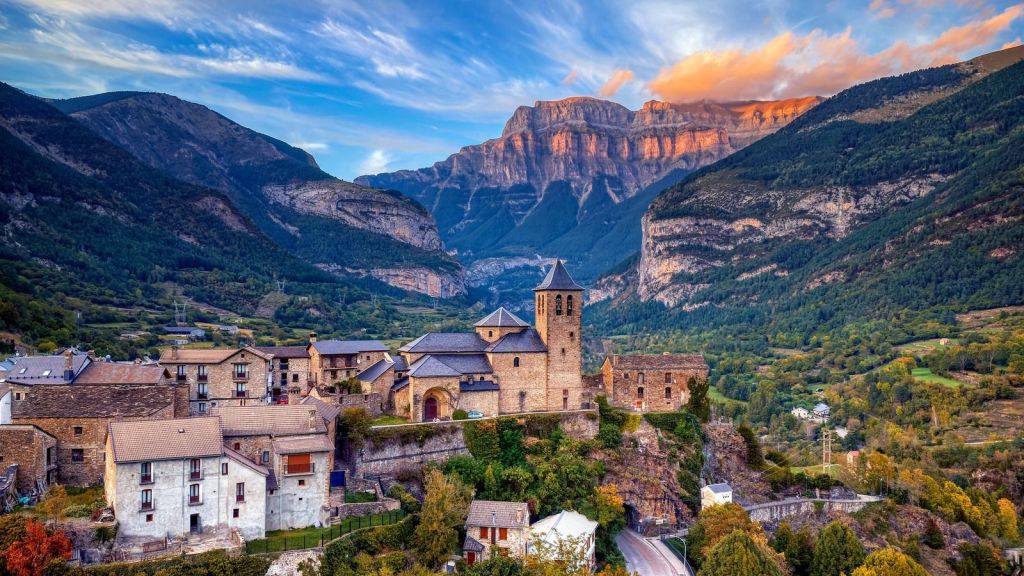
    This is Torla in the Ordesa National Park, about 20km south of the Spanish/French border

    We spent two splendid nights in hilltop towns, the first sampling the local brandy in a bar frequented by the Spanish mullet brigade, with obligatory dog on a string. By 10pm we had intricately planned a ridiculous 12-hour expedition involving crampons, ice axes and vertical drops into the valley of 600 metres.

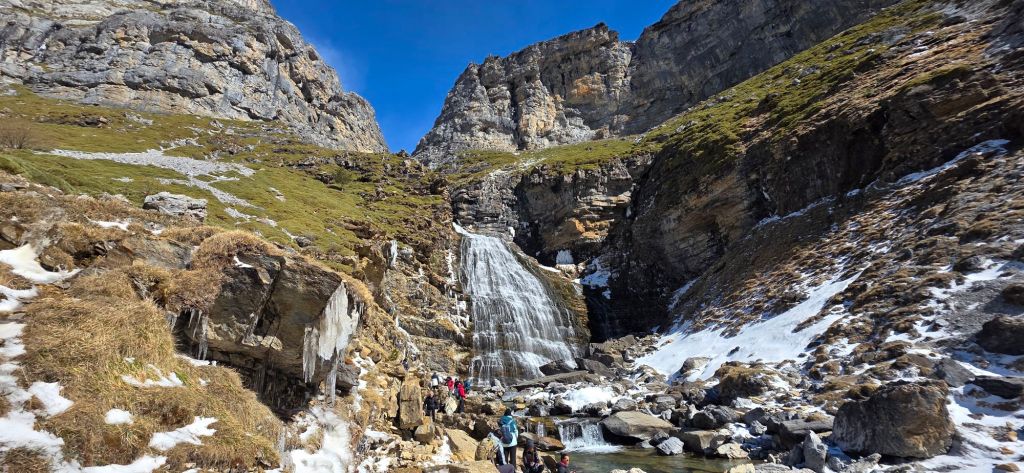
    By 6am the next morning and with sore heads the ambitious and potentially suicidal plan had been downgraded, and off we set up the valley floor from Torla to find a waterfall.

    Up we go!

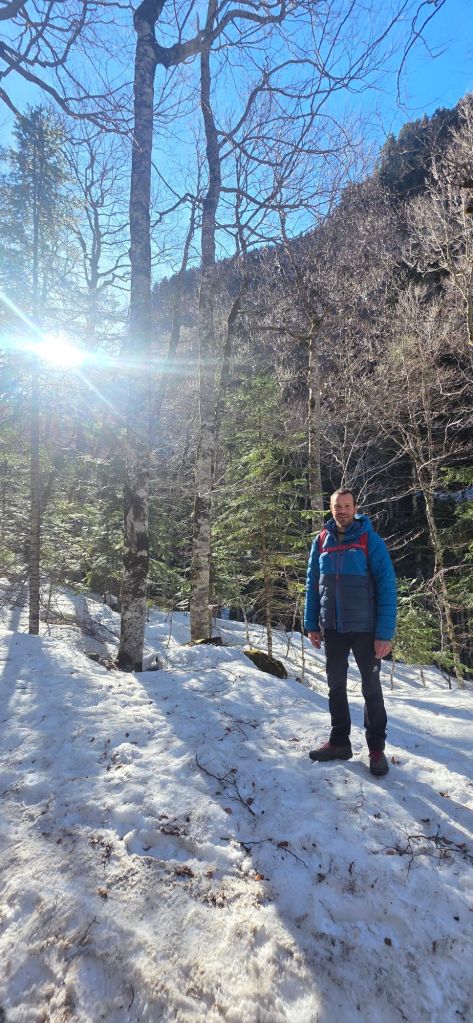
    When we hit sheet ice on steep slopes I regretted not bringing winter gear, but my fears were allayed when kids and grannies motored past us wearing Adidas. I have come to believe that the UK takes health and safety much more seriously than anywhere else on the globe.

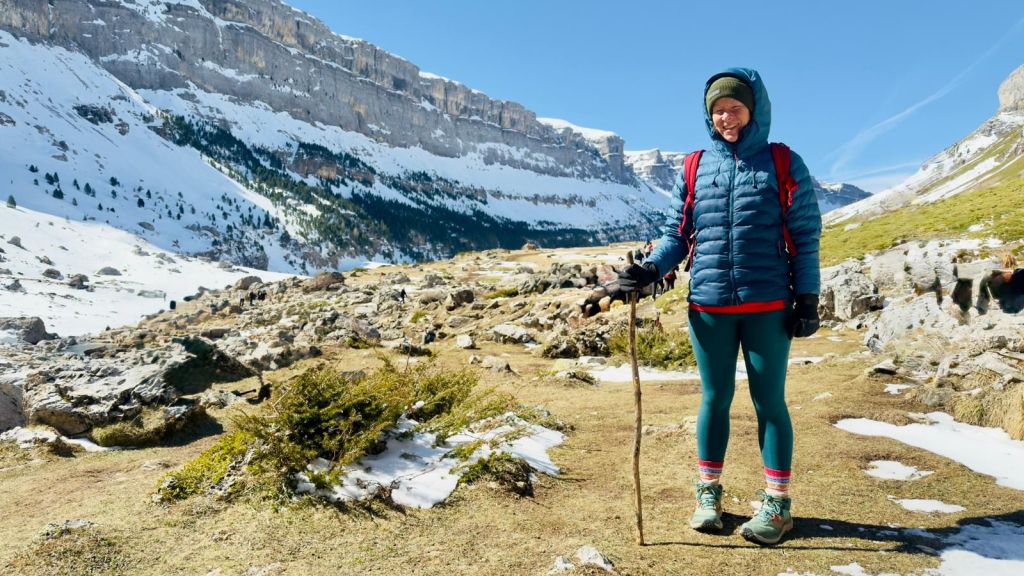
    Monte Perdido (Lost Mountain), behind, is the third highest in the pyrenees at 3,352m. It’s amazing what a trusty stick brings to the table
    The waterfall!

    The walk was glorious; about 10 miles, gaining elevation all the way; from alpine forests at the base, up to a snowy plateau in the deep valley flanked by vertical cliffs of more than 500 metres high.

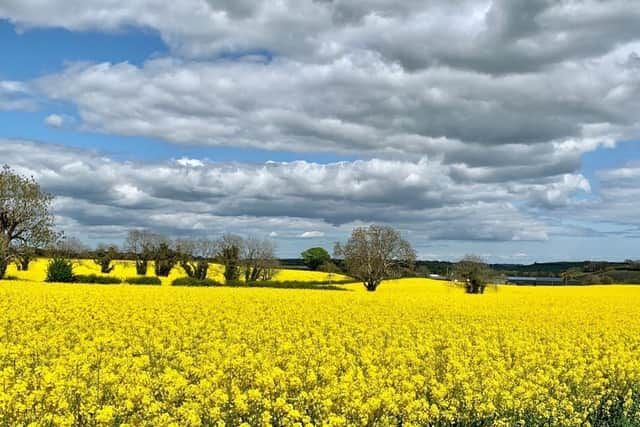
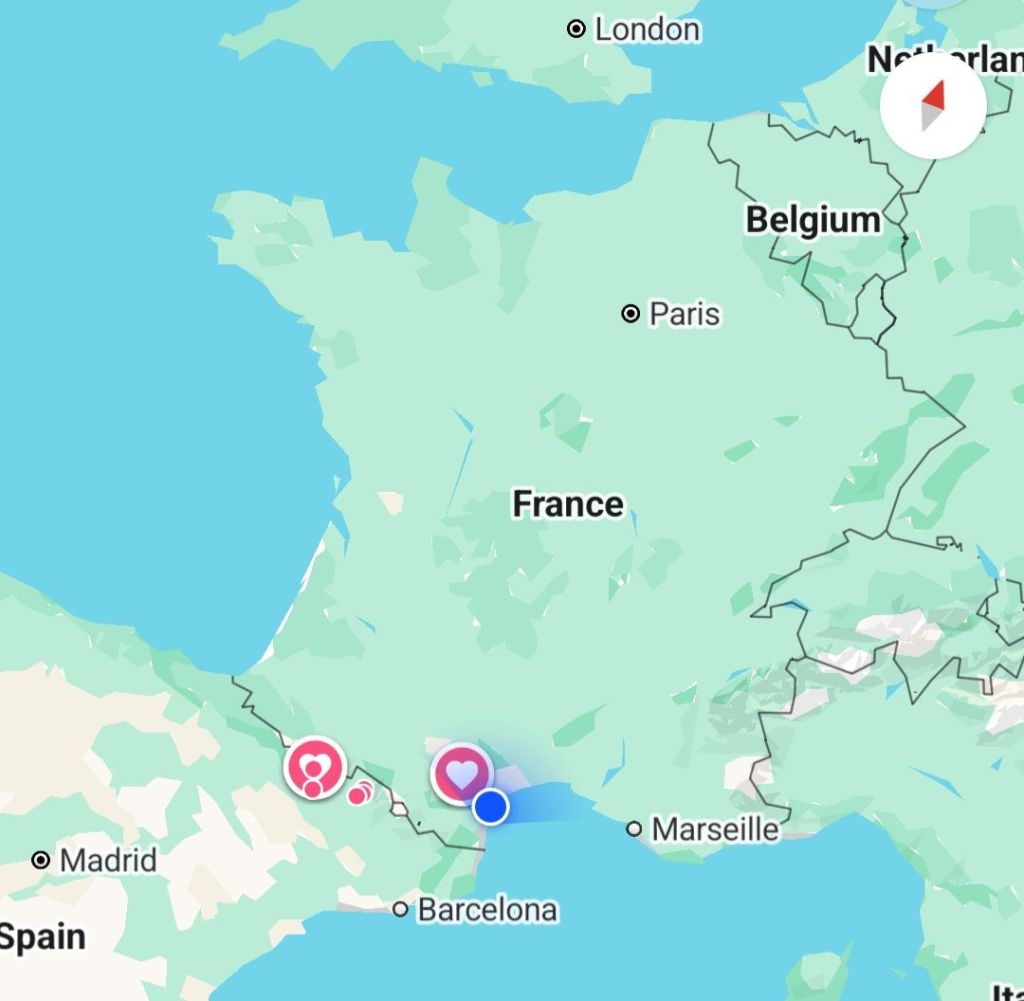
    The region was madly busy and the carpark tip to toe with campers, so we hotfooted to the French Med coast as quickly as possible; through the Pyrenees and straight across to the south coast of France. As we winded through the countryside with the ‘no tolls’ option set on Googlemaps, we spent hours amongst French vineyards, rolling green fields, swathes of swaying oilseed rape, medieval hill top towns, and the backdrop the the snow-capped pyrenees.

    Oilseed rape
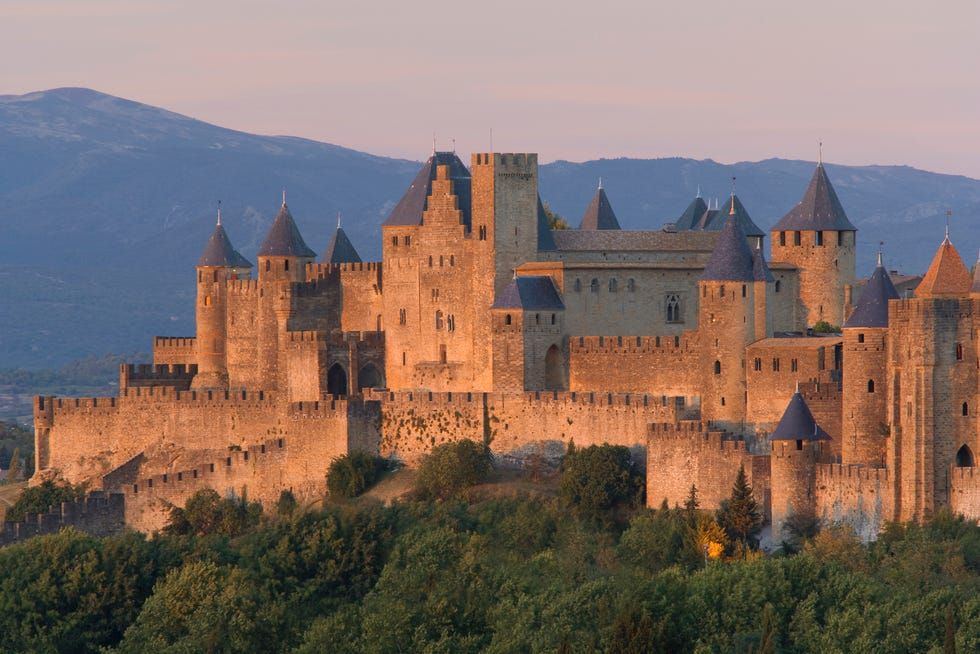
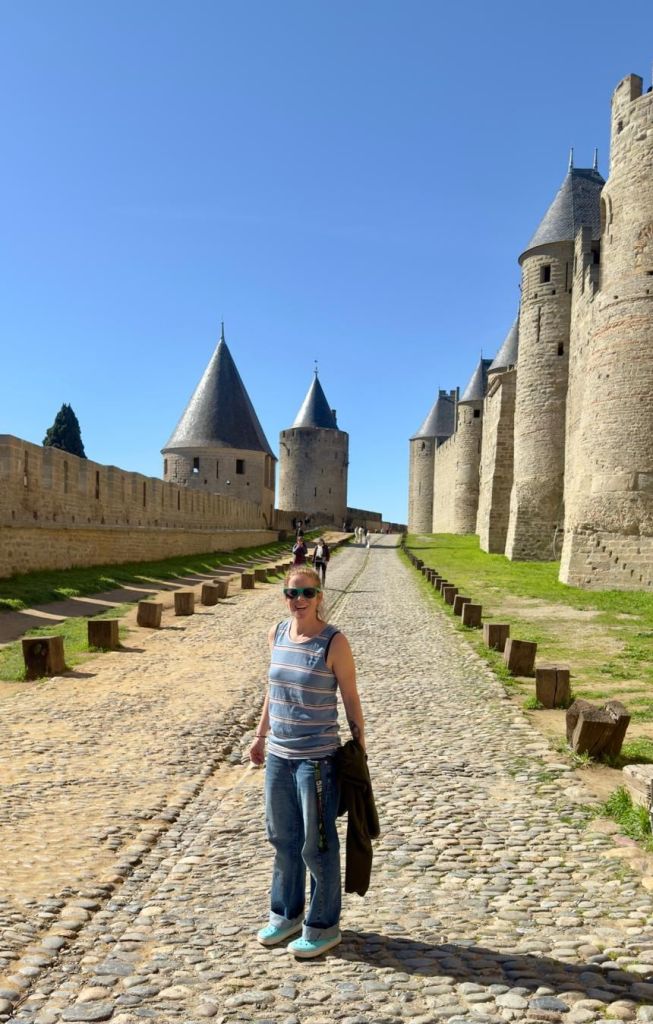
    A quick visit to Carcasonne ancient town in Easter was much like self-flagellation. Although it was heaving, we admired the medieval citadel, with numerous watchtowers and double-walled fortifications. It has been a settlement since 6th Century BC. The first walls were built in Gallo-Roman times (122BC), with major additions made in the 13th and 14th centuries
    The calm before the storm. Inside the walls, it is comparable to a theme park where money is extracted from its 4 million annual visitors in every way imaginable

    France, it turns out, is comparitively expensive to Spain, especially for fuel; a litre in some garages was priced at €2.45 a litre (£2.14)!! Luckily this is offset by Côte du Rhone red wine, a snip at €1.99 a bottle in Lidl.

    What with #vanlife getting hijacked by retirees who flock to southern France for winter sun in their huge motorhomes, the area understandably isn’t so camper-friendly for campsite dodgers, and finding a parking spot without a 2-metre height barrier proved a problem. So we decided to give a nudist campsite a go and see what happened. Long and short of it is that Jem will now refuse to go anywhere his balls can’t sway in the breeze. Happily I don’t think that will be a problem in France.

    Here we are
    A bit closer

    So for the next few days we are going to enjoy the view and get in the sea. The van still needs fixing but we think it can wait another few days.

    Thinking of our compadres battling Storm Dave 👊 much love, lu and jem x

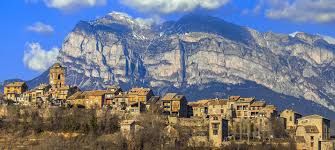
  • Hello faithful followers from Ainsa in Aragon, a Spanish medieval town located roughly half way between the Atlantic and Mediterranean Oceans. The area is renowned for its roast lamb, and the dramatic backdrop of the towering Pyreneen mountain range to the north.

    To the northwest of Ainsa, the preserved citadel was originally built in the mid-11th century to face the threat of the Moors

    Highlights in the region include the Ordesa y Monte Perdido National Park; a canyon and waterfall-strewn conservation area in a setting worthy of the American West, with peaks reaching over 3,000m.

    The park is an hour’s drive north and may or may not require crampons depending on snow levels! (Photo stolen for the web)
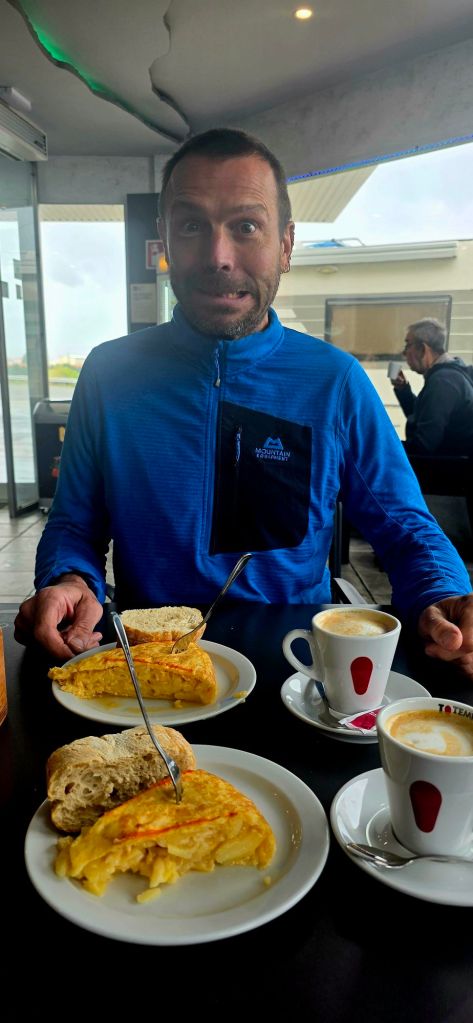
    We stopped for an obligatory tortilla bocadilla (tor-tiya boca-diya) en route, which is almost as fun to say as it is to eat

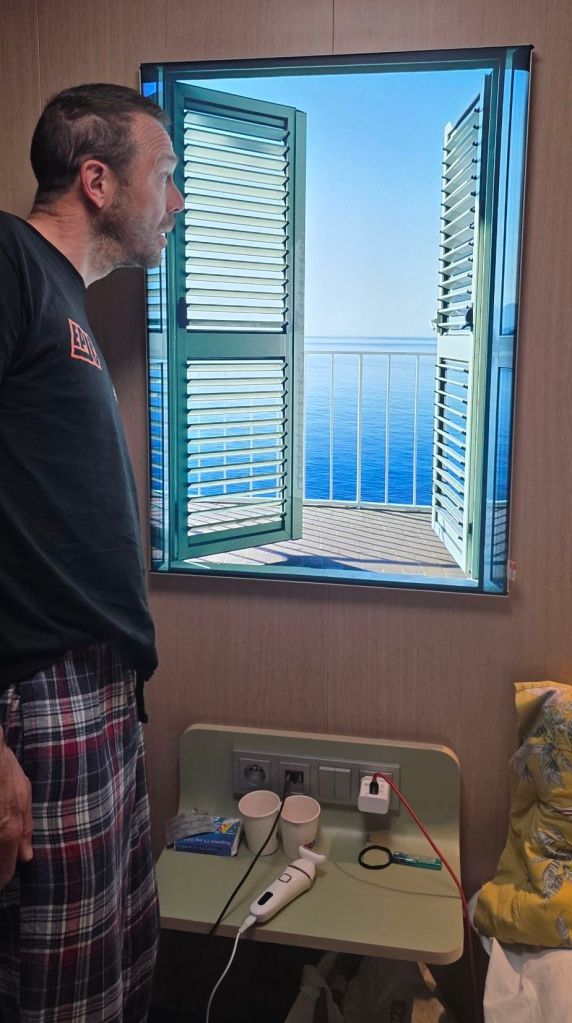
    The 34-hour ferry journey to Santander gave us a chance to rest our legs and enjoy spectacular views across the ocean from our microscopic cabin.

    Spoiler: this is not a real window

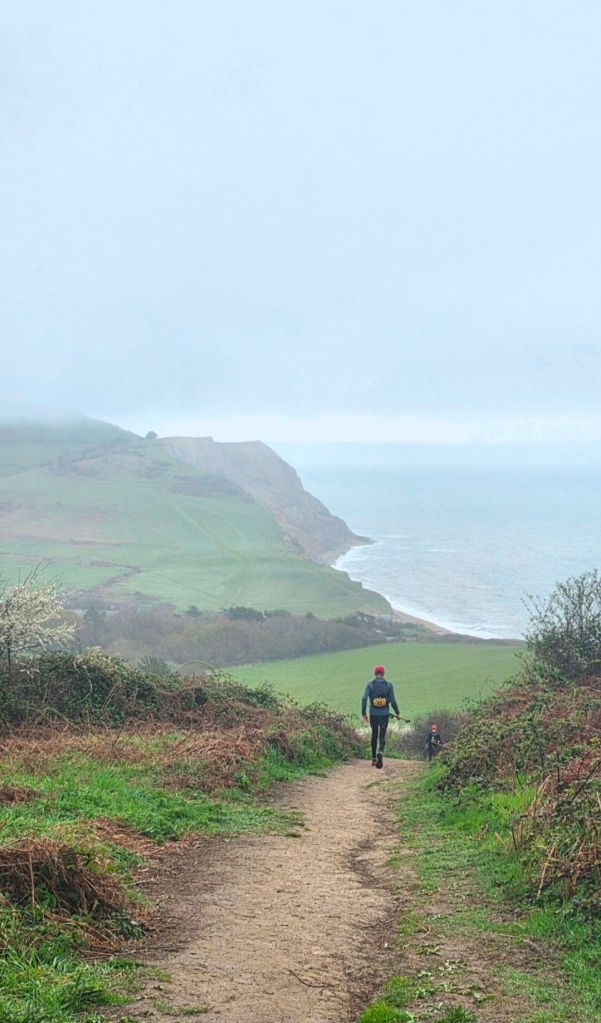
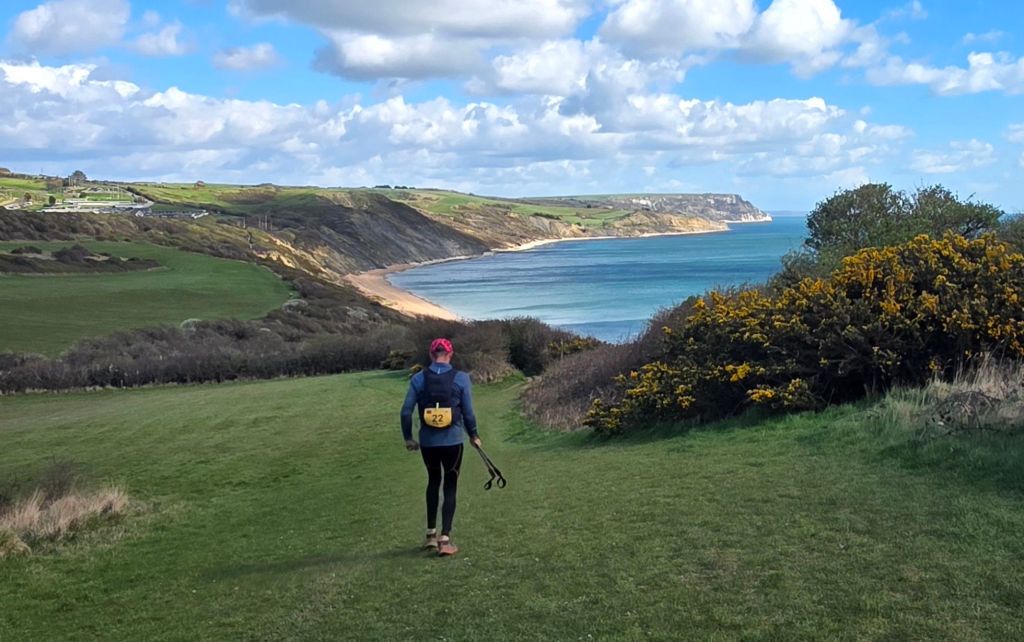
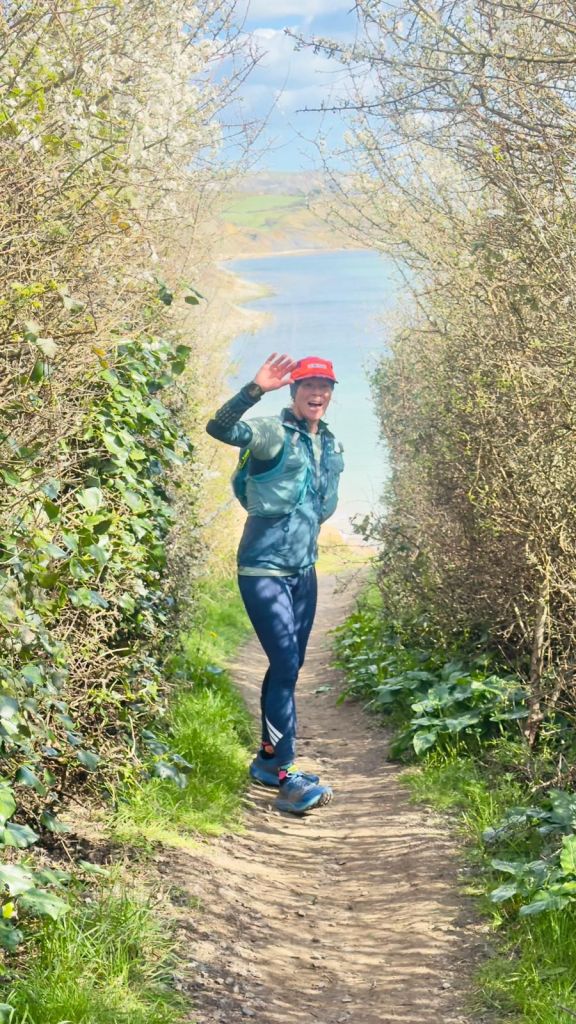
    Recuperation was in need after last weekend’s run on the rolling Jurassic Coast in Dorset, starting near Lyme Regis and culminating in Poole.

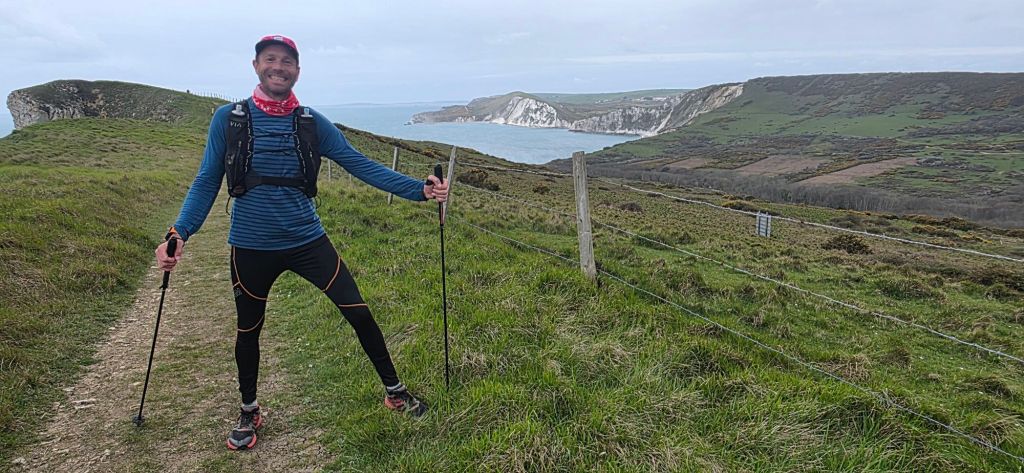
    The beautiful Dorset coastline showcases 185 million years of geological history

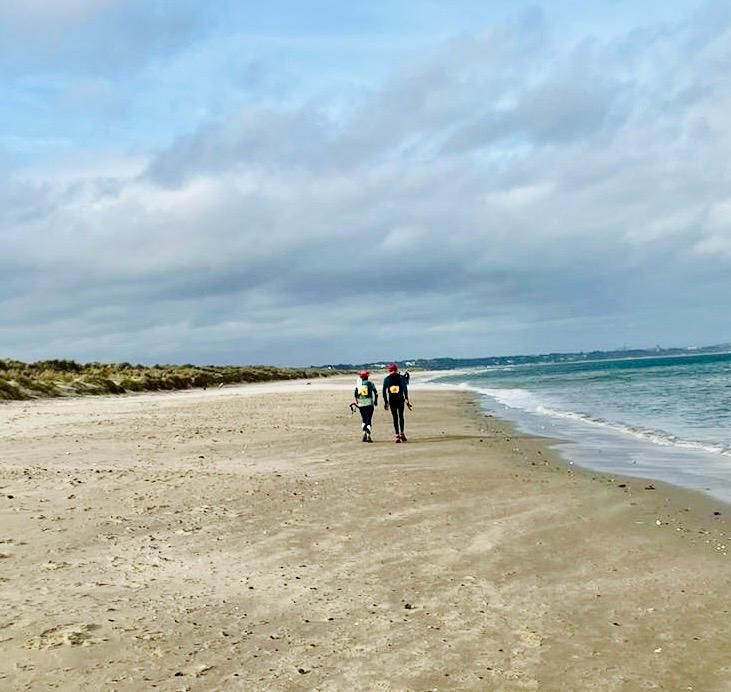
    Set as a multi-stage event over three days, the 84-mile “challenge” advertised itself as a non-competitive affair with plentiful cake and sandwiches. Great, we thought, that sounds like a low-octane glorified picnic where we could rumble along with other middle-aged folk and discuss our growing inventory of running-related ailments.

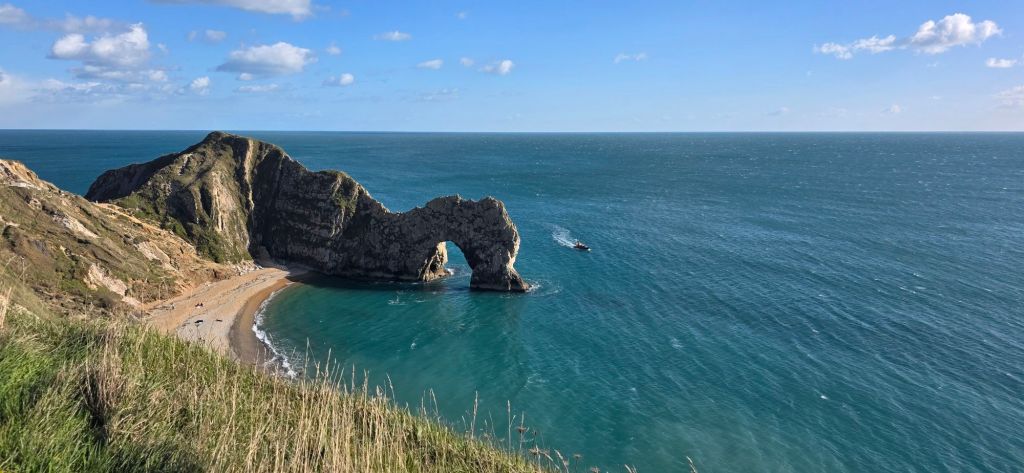
    Durdle Door was one of the scenic highlights of the route

    The format of the event set about 40 ‘walkers and slow joggers’ off first, with the remaining 40 ‘faster joggers and runners’ leaving two hours later each day. Brimming with misplaced self-confidence and a deep misunderstanding of the racing pedigree, we opted for the latter group.

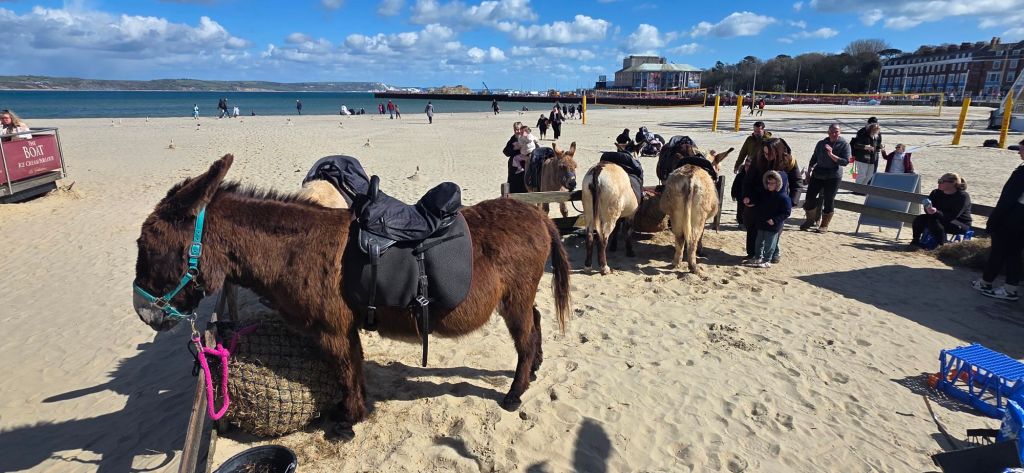
    Angry donkeys in Weymouth

    During registration – a rather intimidating and serious affair – it quickly became evident that our category was designed exclusively for elite waddage; athletes of the highest calibre and those in training for the UTMB in Chamonix.
    The race organiser’s insistence that it was not, in fact, a race brought little comfort as our cohort of nimble mountain goats sped out from the starting gates, and we were left eating their dust. Meanwhile the slowest walkers in the first group were averaging 18 minute miles – that’s really quite fast for a race that packs in almost 5,000 metres of ascent.
    Still reeling from the fallout of March’s extended birthday celebrations and an underwhelming training regime, we spent almost the entire race alone, and minced in at the back each day as the sun was setting on our comparitively woeful efforts.

    The final stretch

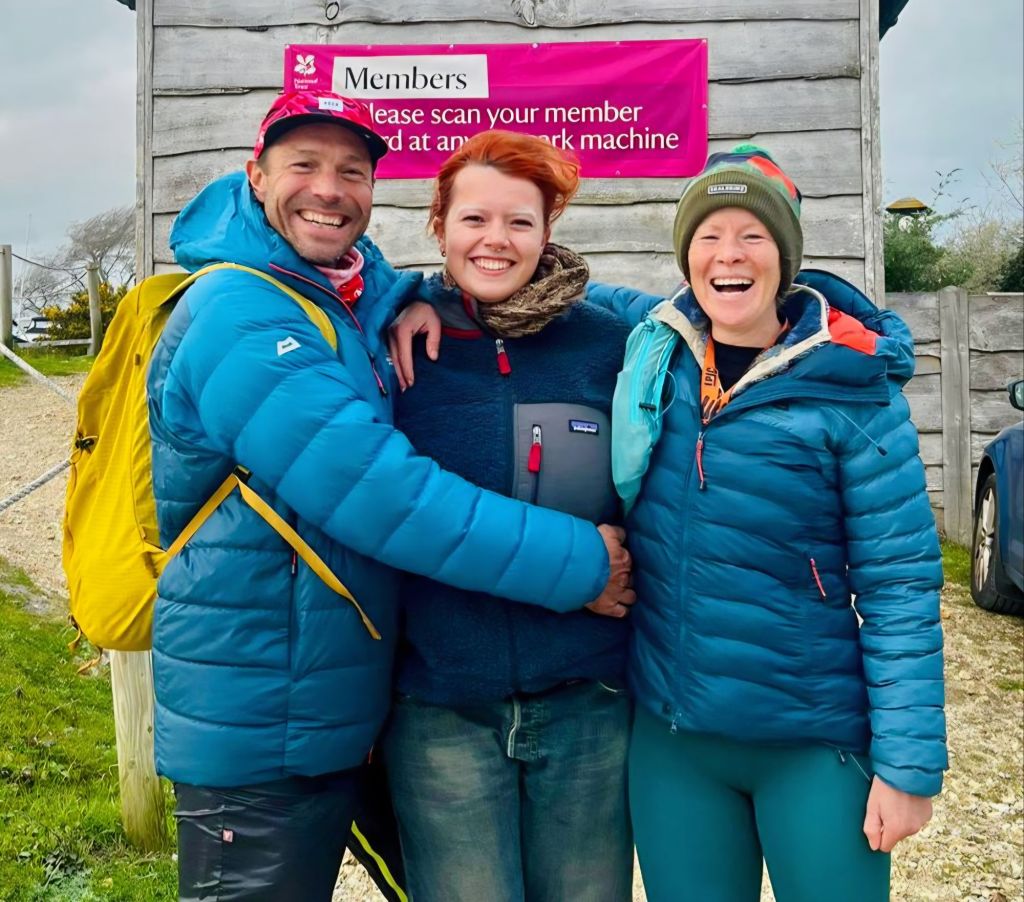
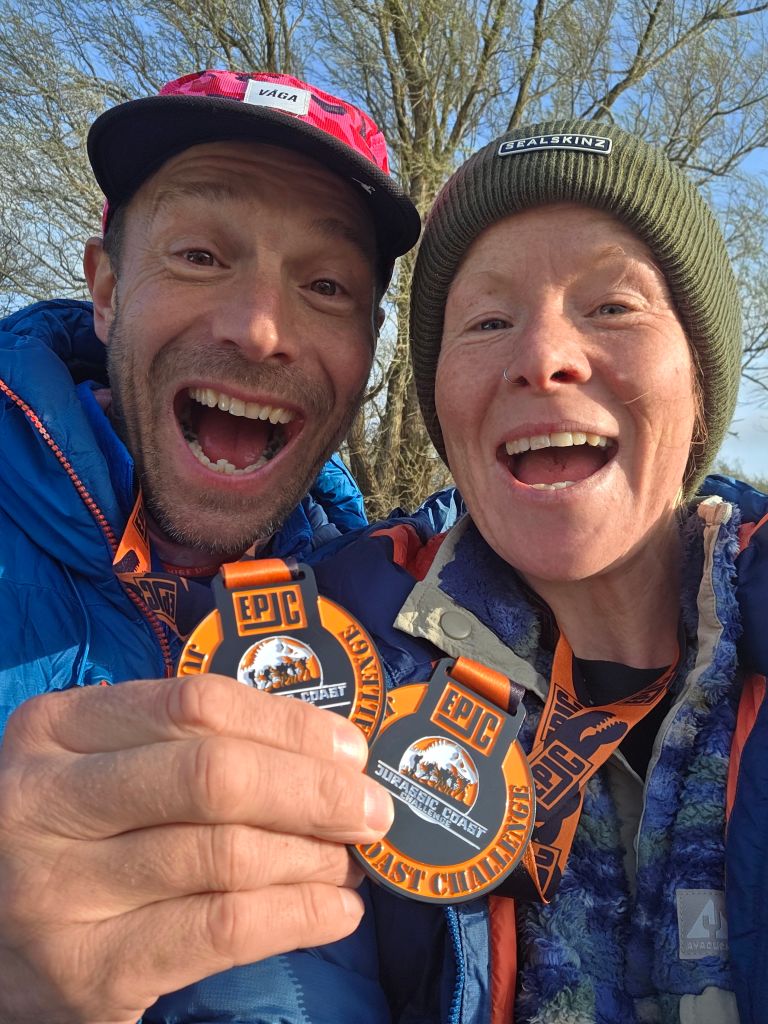
    But what a great time we had! Sunshine, stunning views, and good vibes abound – and I think overall we placed somewhere in the middle (despite feeling like the biggest losers each day 😂). We were really lucky to have Kiki meet us on the finishing line and buy us a pint of restorative ale.

    Famalam scenes ❤️
    Woooooooo we did it

    With shredded quads, blistered feet, and a sliver of dignity still intact, we drove off to Portsmouth to catch our ferry.

    Plans for the next few weeks include heading over the French Riviera, where we will do our best voyeuring at super yachts and haughty Frenchies, and also get stuck in with some easy multi-pitch climbing, before winding our way through Italy and down to Greece. But not before calling out the RAC tomorrow after a myriad of warning lights came on. Glad we got the gold standard breakdown insurance! You couldn’t make it up 😂