By 8.30am we had entered one of the most enigmatic tourist attractions on the planet; The Forbidden City. This huge complex existed as the central axis of power of China from its beginnings in 1420 until it was turned into a tourist attraction in the early 20th century.
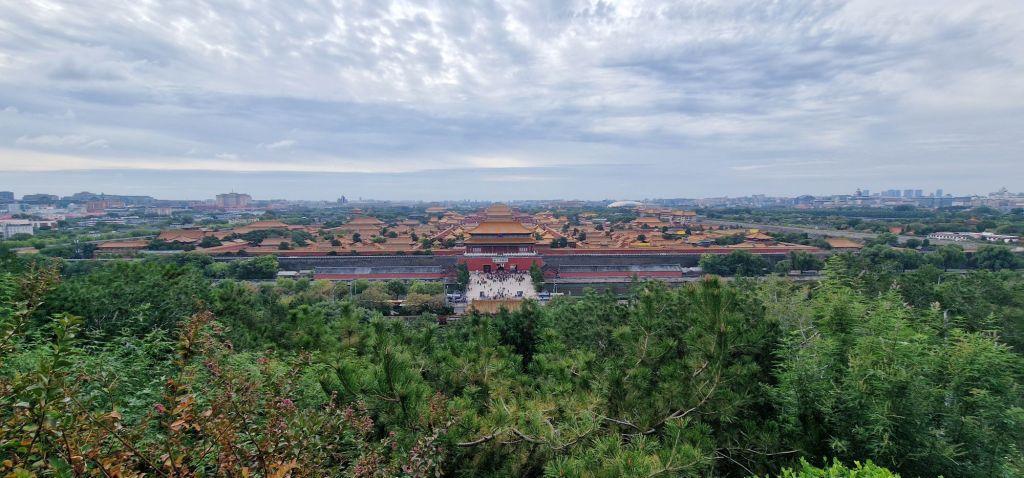
The UNESCO World Heritage Site is the largest preserved palace in the world and measures almost a kilometre long. It consists of 980 buildings, where the Emperor and his family, concubines, servants, and eunuchs resided. The grounds were impenetrable, surrounded by high walls, and a 52-metre wide moat. Any commoner of foreigner found inside the complex was sentenced to death. No one could enter or leave without the Emperor’s permission.
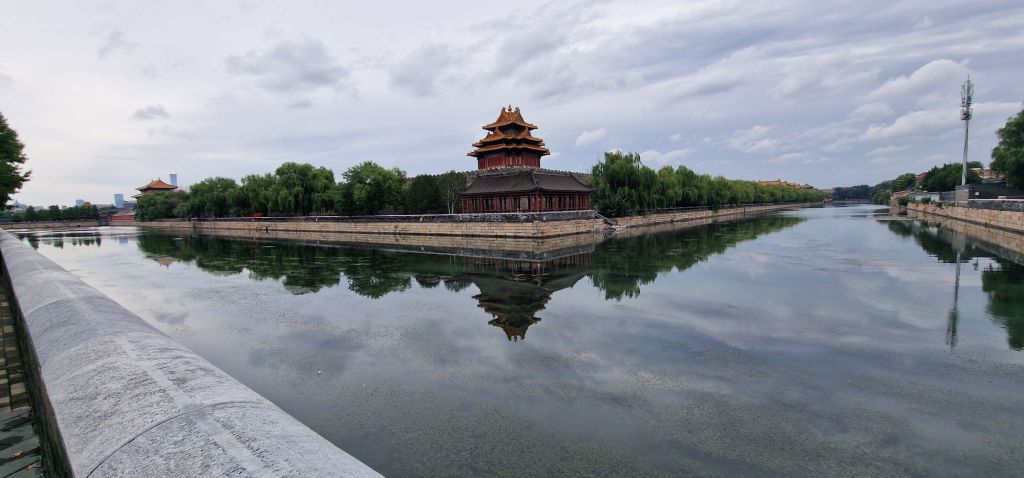
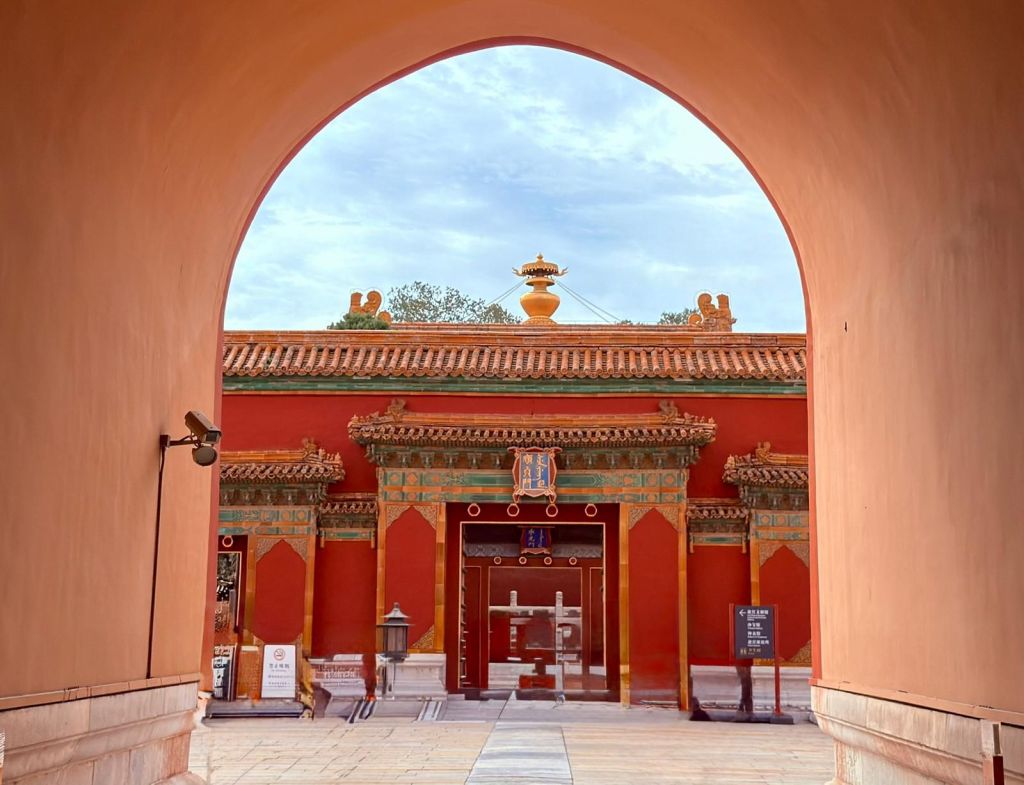
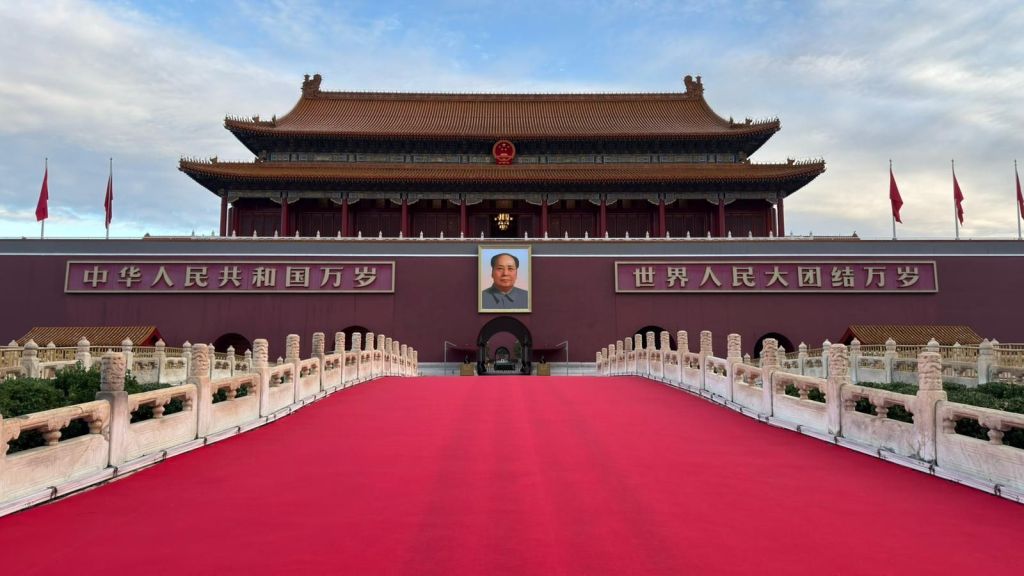
The Forbidden City is truly a mystery. A spectacle so great that modern-day Chinese were literally racing each other to enter as the gates opened. It was like the gun had gone off for the 100m Olympic sprint; elbows came out, and paying visitors did not try to hide their desperation to be one of the first through the huge gates.
What struck us was, over the centuries, how many young women and men would have spent their entire lives incarcerated in this gilded cage, desperate to leave the sprawling behemoth and to witness the world on the outside. Their days were spent in this vast prison, performing daily rituals, attending relentless meetings and ceremonies, servicing the Emperor, and with extreme pressure to bear sons to continue the Dynasty.
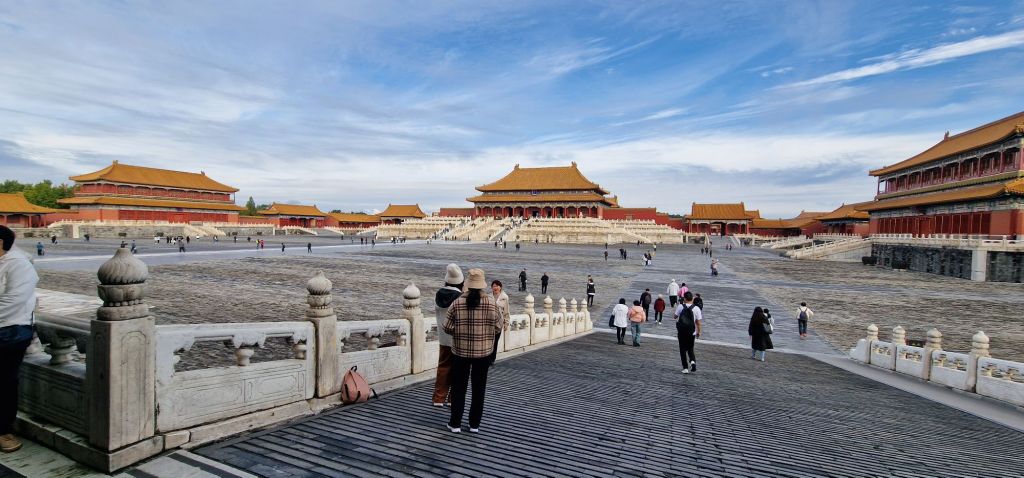
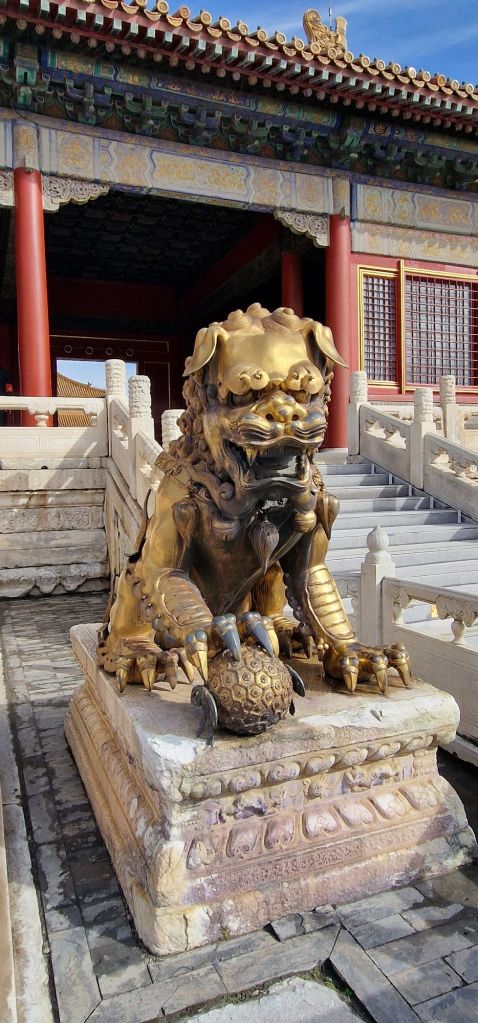

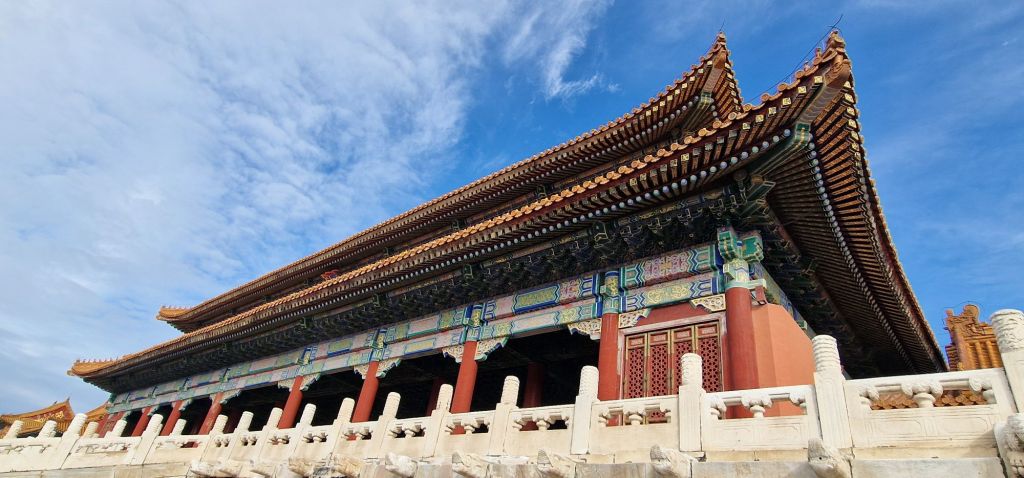
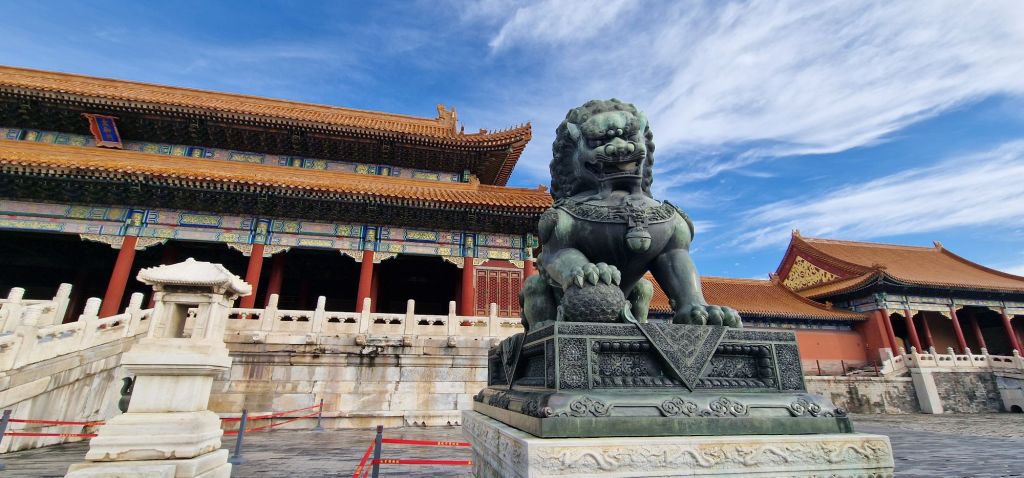


Albeit a beautiful and deeply symbolic heart of Chinese history, The Forbidden City was also a place of huge sacrifice to so many generations.
As a working man, Jem was happy to leave the Forbidden City with body and balls intact. We had worked up quite an appetite by lunchtime. It was a relief when even Jem turned his adventurous nose up at the Spiders And Scorpions On A Stick stand, and we opted for Peking Duck rolls instead.

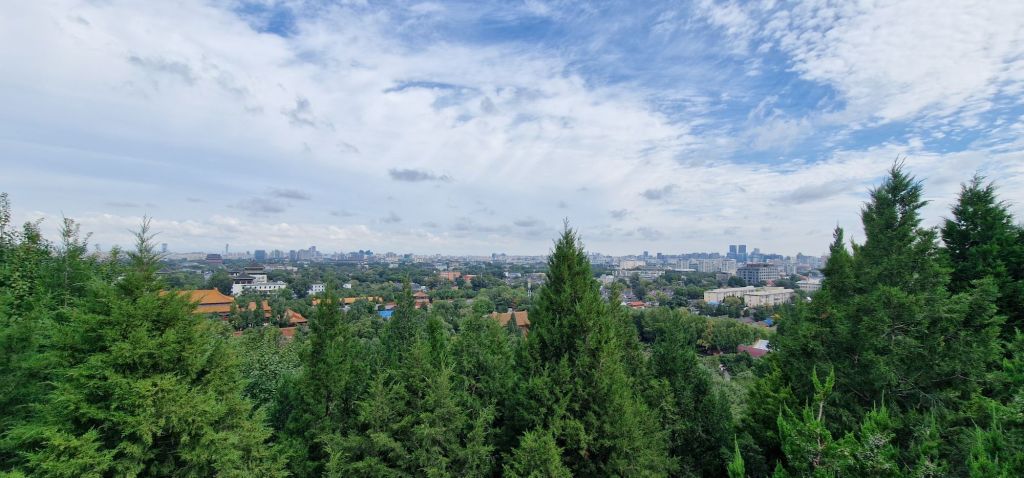
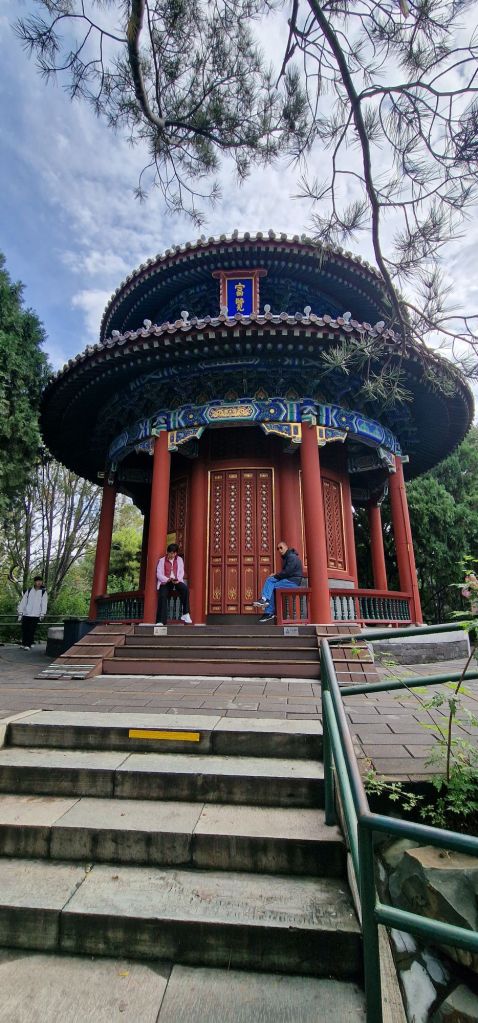
An afternoon stroll revealed more beautiful views, with a trip to the top of Jinshun Park providing vistas of the commercial centre of Beijing and the sprawling residential areas which house almost 22 million people in the city.




 is there poodle in my noodle
Leave a comment